


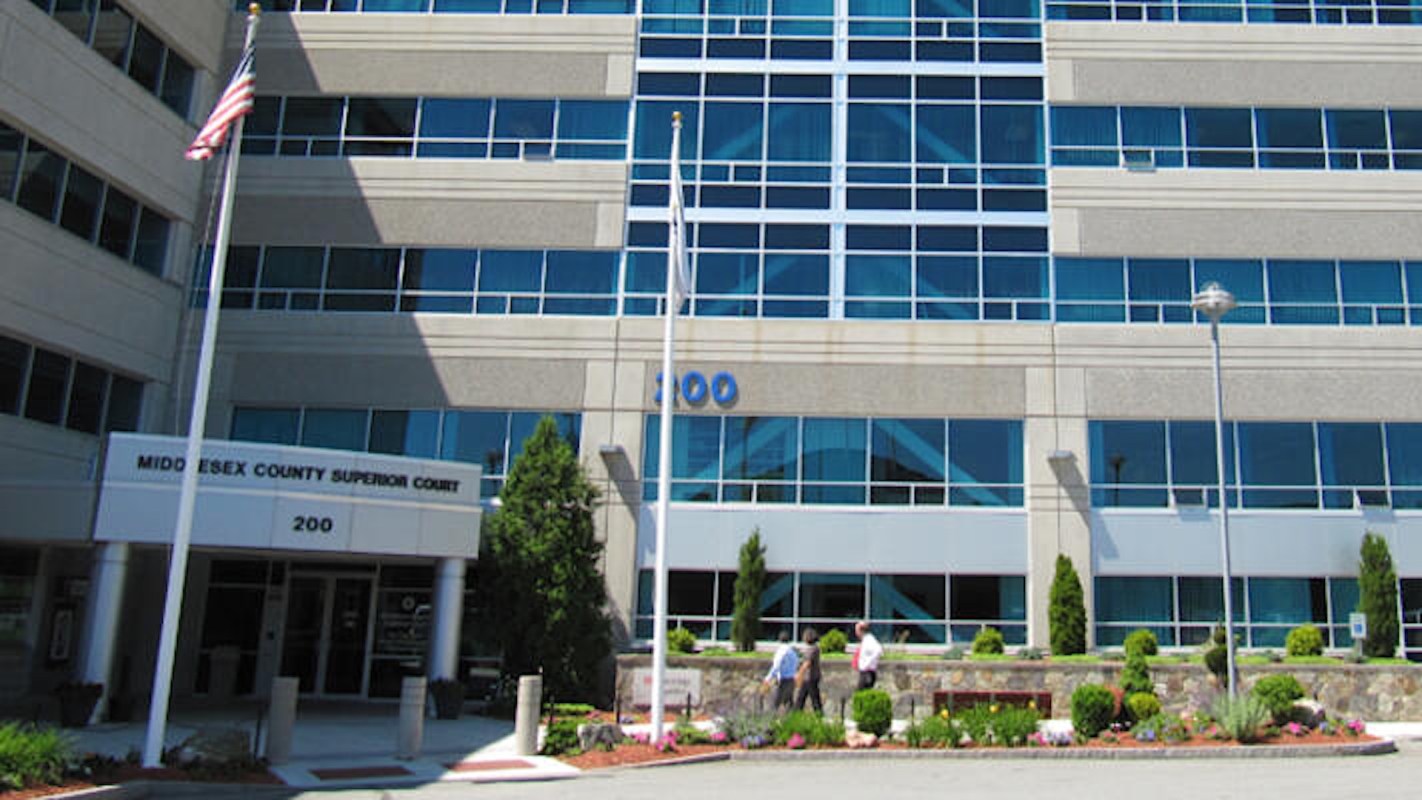
In Lowell, Massachusetts, neighbors opposing a nearby data center asked a court this week to step in, saying the facility's planned expansion is already affecting daily life in the surrounding area.
For some of the plaintiffs, the 352,000-square-foot site is only a few feet from home, WBUR reports, and they say adding diesel backup generators and more cooling equipment would increase noise, pollution and other neighborhood impacts.
What's happening?
At a hearing in Middlesex Superior Court on Wednesday, July 29, residents and their lawyers urged a judge to stop the Markley Group's Lowell data center from expanding, arguing that state regulators issued an important air-quality permit without giving the community a proper chance to raise its objections.
Representing the residents, attorney Stephanie Safdi told the court: "The problem here is that our clients never got the hearing that the law entitles them to."
Residents also argue that the Massachusetts Department of Environmental Protection further undermined the process by entering a consent order with Markley while the permit appeal was still underway.
At the center of the dispute are expansion plans filed between 2023 and 2025 that would bring the site's total number of working backup diesel generators to 27.
TCD Picks » Quince Spotlight
💡These best-sellers from Quince deliver affordable, sustainable luxury for all




Markley CEO Jeff Markley said that city officials signed off on a 31-generator plan about a decade ago and that "currently there are only 23 generators on site, two of which are not yet wired or operational."
MassDEP counsel Seth Jaffe defended the agency's actions in court.
"The department followed the rules," Jaffe maintained.
Markley attorney Michelle O'Brien, meanwhile, argued that the facility serves institutions including UMass Lowell and a local hospital.
Why does it matter?
The Lowell dispute reflects a broader national debate over where data centers should be built and who ultimately bears the costs.
The facilities can bring industrial noise, diesel exhaust, traffic, and strain on local infrastructure to communities, particularly in neighborhoods that already face heavier environmental burdens.
Critics warn that rapid growth could raise energy bills and intensify pollution from backup power systems.
Alexandra St. Pierre, vice president of the Conservation Law Foundation's Environmental Justice program, said the Lowell case raises broader questions about whether environmental justice protections are actually being enforced.
"This whole process has been really unfair to the residents," she said.
The lawsuit says the facility was already "disrupting daily life for residents with air pollution, industrial noise, dust, odor, traffic, and other impacts" even before the latest expansion proposals.
What's being done about data center development?
Safdi asked the judge to halt any further installation or operation of generators and cooling towers until the plaintiffs' claims can be heard.
Lowell enacted a one-year moratorium on additional data centers earlier this year, though it does not apply to the existing Markley site.
Other Massachusetts communities are considering similar limits and, according to WBUR, the Healey administration recently paused a proposal to offer tax breaks for new data center development.
Residents have also spent years taking part in the formal process by attending public meetings, filing comments with regulators and appealing the permit after it was approved.
Mary Wambui, a Lowell resident and plaintiff, said the stakes extend beyond a single project.
"If a diesel-generating entity in the middle of an urban neighborhood cannot trigger these cumulative impact regulations, then what was the use of having our new protections for environmental justice communities?" she asked.
"We can't do anything about having a data center at this point in time," plaintiff Eileen Castle said, "but we do have to understand that we need support and we need help to make sure that [Markley] doesn't do things wrong."

Get TCD's free newsletters for easy tips, smart advice, and a chance to earn $5,000 toward home upgrades. To see more stories like this one, change your Google preferences here.






