


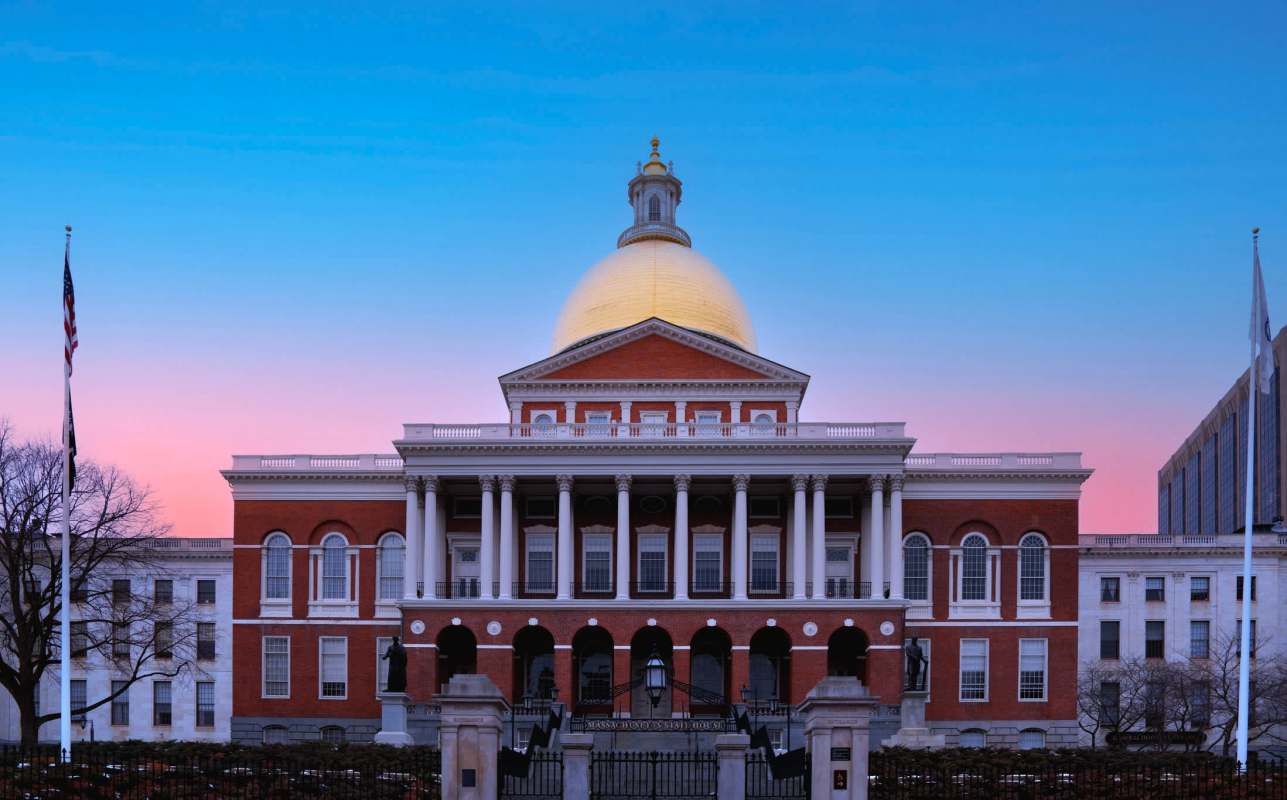
In Massachusetts, Democratic lawmakers are showing more unease about the infrastructure that underpins artificial intelligence, particularly the large data centers needed to support it.
Even so, they have not embraced a statewide halt on new projects.
That reluctance came into focus when a proposed one-year freeze on new data centers, despite winning backing from 13 state senators, was later withdrawn.
What's happening?
According to the Commonwealth Beacon, state Senator Michael Moore sought to attach a one-year pause on new Massachusetts data centers to a broad economic development bill, but the amendment never made it to a final vote.
Moore said Senate leadership signaled the proposal would not make it through the larger legislative process.
Moore said he had been "working the room" and believed the support was there. He eventually withdrew the amendment, though, after leaders told him it was unlikely to survive a House-Senate conference committee.
TCD Picks » Quince Spotlight
💡These best-sellers from Quince deliver affordable, sustainable luxury for all




Moore also withdrew a second amendment that would have required data centers to run on 100% renewable energy and protected residential customers from additional electricity costs.
The debate comes at a tense moment for Massachusetts. Governor Maura Healey previously approved a data center tax credit, then later paused it and called on developers to "bring your own clean energy."
Meanwhile, cities including Lowell, Westfield, and Holyoke have taken steps at the local level to slow new projects.
Why does it matter?
AI is deeply tied to the electric grid. Training and operating AI systems requires enormous computing power, meaning data centers can consume vast amounts of electricity and water.
At the same time, AI can also help manage power demand, improve grid efficiency, accelerate scientific research, and support cleaner energy systems. That has left lawmakers trying to balance potential economic and technological gains against environmental and infrastructure costs.
If new data centers place too much strain on local energy systems, households could face higher utility bills, more pressure on water supplies, or new pollution-related issues.
In communities where data center projects have been proposed, those kinds of worries have helped drive backlash.
Massachusetts is not alone in facing this debate. New York Governor Kathy Hochul recently pushed the country's first statewide data center moratorium, while Maine Governor Janet Mills rejected a similar proposal in her state.
Across the country, officials are grappling with how to capture AI-related economic growth without triggering grid problems or unintended social harms.
Dan Dolan, president of the New England Power Generators Association, said Massachusetts has become "a great case study" in the policy uncertainty surrounding the industry.
What's being done?
Massachusetts appears to be pursuing a middle path rather than imposing an outright ban.
The Senate has already passed an energy bill requiring data centers seeking tax credits to meet standards on clean energy, water conservation, and labor.
Healey's administration has also paused those tax incentives, giving state leaders more time to decide what kinds of projects, if any, they want to encourage.
Questions about land use, water consumption, and who pays the extra costs associated with increased electricity demand could determine whether projects benefit the public or shift costs onto ratepayers.
Moore has made clear that the issue is far from settled. He said he plans to "watch for other vehicles that come up between now and the end of the session" in an effort to revive the moratorium push.
"There's a disagreement," Moore said. "I think there's a need for it. It's a missed opportunity."
Chris Anderson, president of the state's High Technology Council, countered that "our competitiveness depends on attracting — not discouraging — the infrastructure that powers the next generation of artificial intelligence."

Get TCD's free newsletters for easy tips, smart advice, and a chance to earn $5,000 toward home upgrades. To see more stories like this one, change your Google preferences here.






