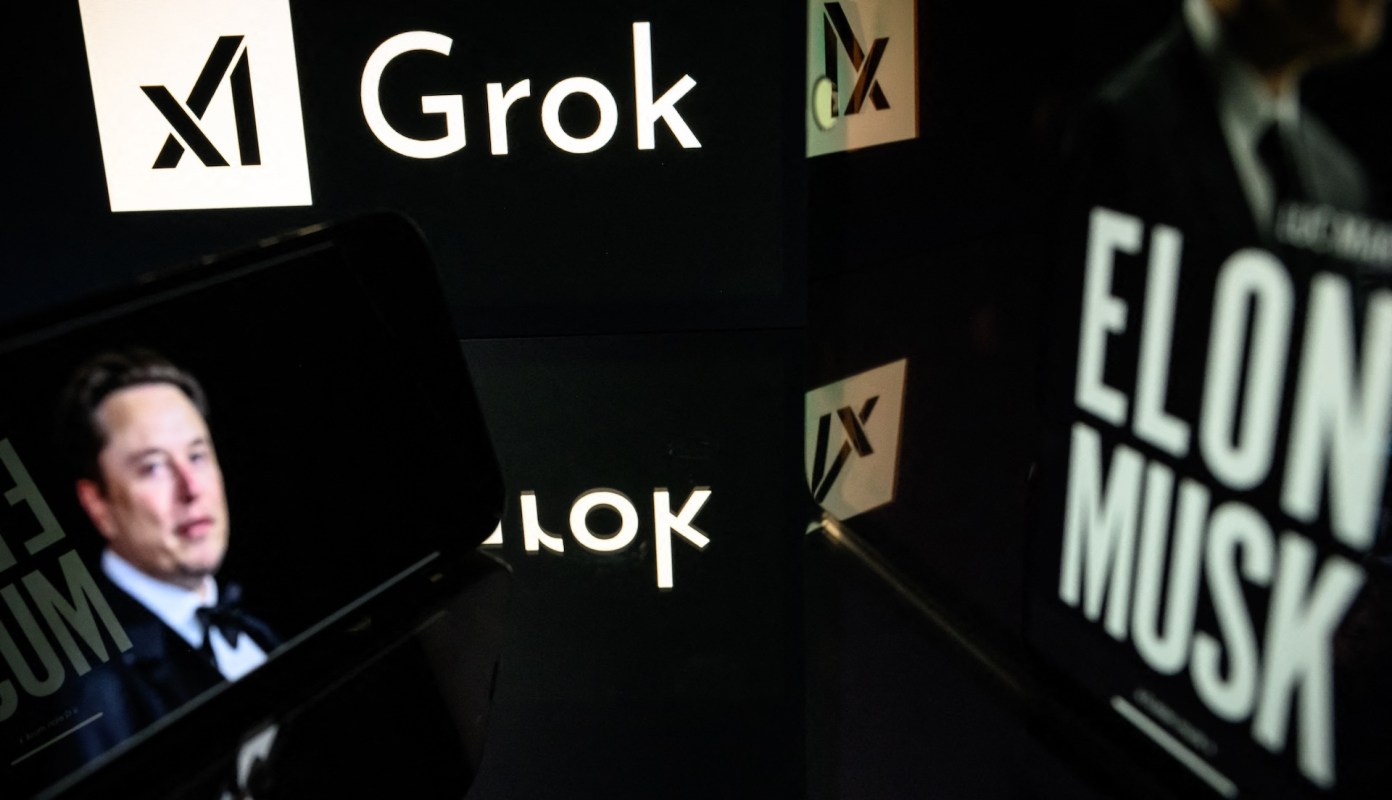
Malaysia and Indonesia, in separate decisions, have blocked access to xAI's Grok, CNBC reported on Sunday, with officials citing concerns that the artificial intelligence chatbot has been used to generate explicit images of real people without their consent.
What's happening?
Tesla and xAI chief executive officer Elon Musk unveiled Grok in late 2023. The AI chatbot has been integrated into the Musk-owned social media platform X, formerly known as Twitter.
A "spicy mode" was introduced to Grok in August, but concerns about potentially harmful use of the setting became more widespread in December.
By January, third-party analysis conducted by social media researcher Genevieve Oh revealed that Grok was being used to generate thousands of sexualized images per hour, Bloomberg reported. Often, these images were of living people who had not consented to being digitally "undressed" or otherwise altered.
On Sunday, Jan. 11, the Malaysian Communications and Multimedia Commission (@MCMC_RASMI) announced a temporary block affecting Grok, alleging xAI had repeatedly failed to implement measures to protect people from the chatbot's potentially dangerous features.
Indonesia's communications minister made similar claims in a statement dated Jan. 10, which CNBC translated in part.
TCD Picks » Upway Spotlight
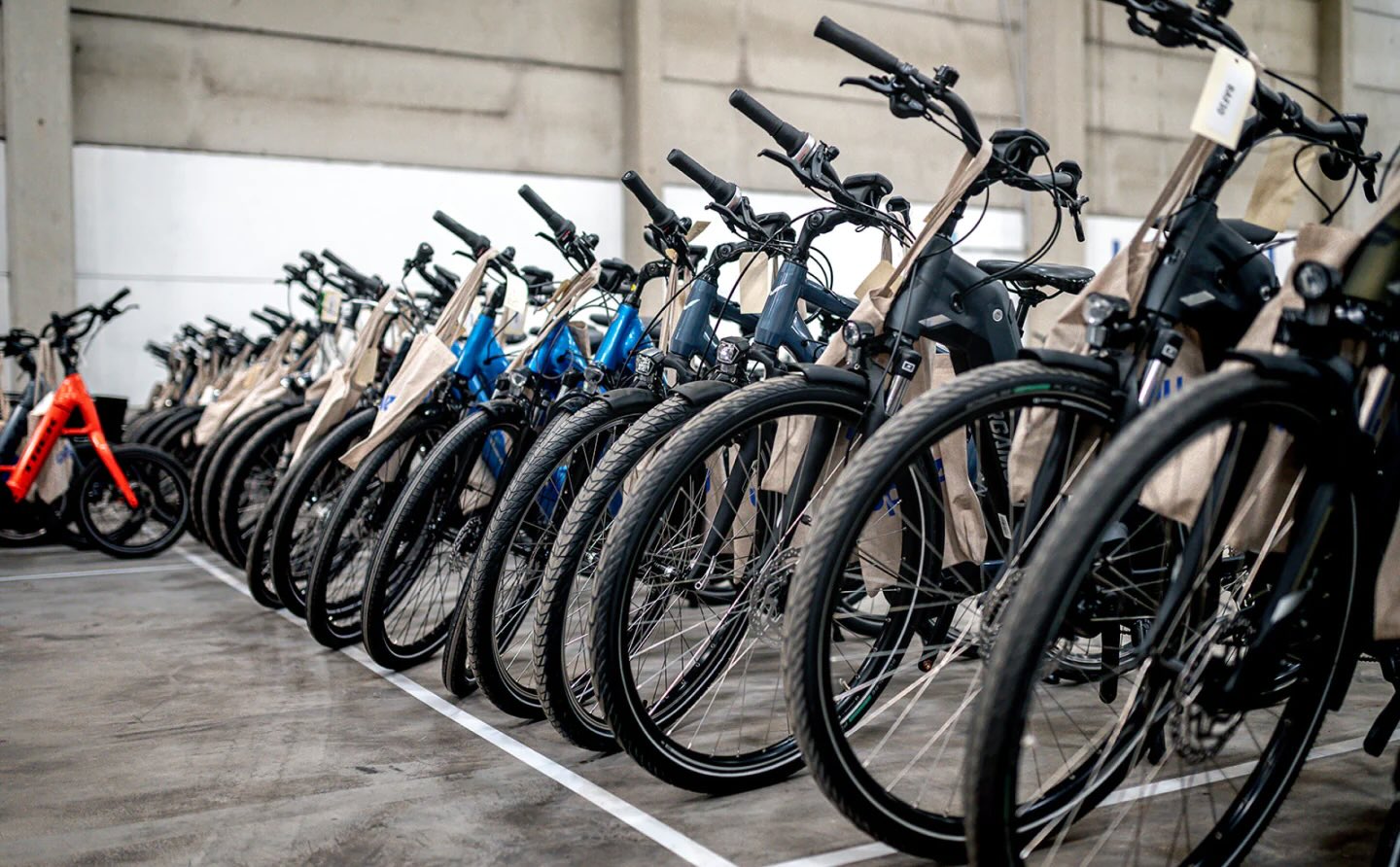
💡Upway makes it easy to find discounts of up to 60% on premium e-bike brands

"The government views nonconsensual sexual deepfakes as a serious violation of human rights, dignity, and citizens' security in the digital space," Indonesian official Meutya Hafid asserted.
Why is this concerning?
While Indonesia and Malaysia acted to block access to Grok, they're not the only nations considering sanctions on xAI and X over failures to limit these uses of the chatbot.
On Friday, Jan. 9, the BBC reported that the United Kingdom was considering a total ban on X.
Currently, xAI is under fire for the Grok tool's unrestricted ability to generate explicit, nonconsensual deepfakes. But wide use of generative AI is a broader point of contention in the United States and abroad.
TCD Picks » Quince Spotlight
💡These best-sellers from Quince deliver affordable, sustainable luxury for all




|
What do you think of Tesla and Elon Musk?
Click your choice to see results and speak your mind. |
 Elon is the man 🥰
 Large language models like ChatGPT and image- and video-generation tools like OpenAI's Sora aren't just being used to generate potentially questionable material. They're also wreaking havoc in schools and the workplace, not to mention the energy grid.
The data centers that power AI are controversial for a number of reasons, including their significant energy use. As data centers have begun dotting the American landscape, locals have been concerned over rising electricity bills tied to the resulting energy demands. And while renewable energy sources can help to power the centers, many operations still rely on polluting fuels.
In addition to straining the overworked grid and increasing the risk of blackouts, data centers can emit air and noise pollution. They also require vast quantities of water for cooling purposes.
AI can, of course, be put to plenty of uses for social good — the technology may even be leveraged to help make energy use more efficient. But the fact that it has been used to generate thousands of nonconsensual deepfakes, distressing to many users, has only added to broader concerns.
What's being done about it?
Malaysia indicated its decision to block access to Grok was "temporary," suggesting the country sought to work with X and xAI, but it was unclear whether the company intended to comply.
On Jan. 10, the BBC reported that Musk had framed concerns over Grok's prolific generation of explicit deepfakes as an "excuse for censorship."

Get TCD's free newsletters for easy tips to save more, waste less, and make smarter choices — and earn up to $5,000 toward clean upgrades in TCD's exclusive Rewards Club.
Cool Picks