


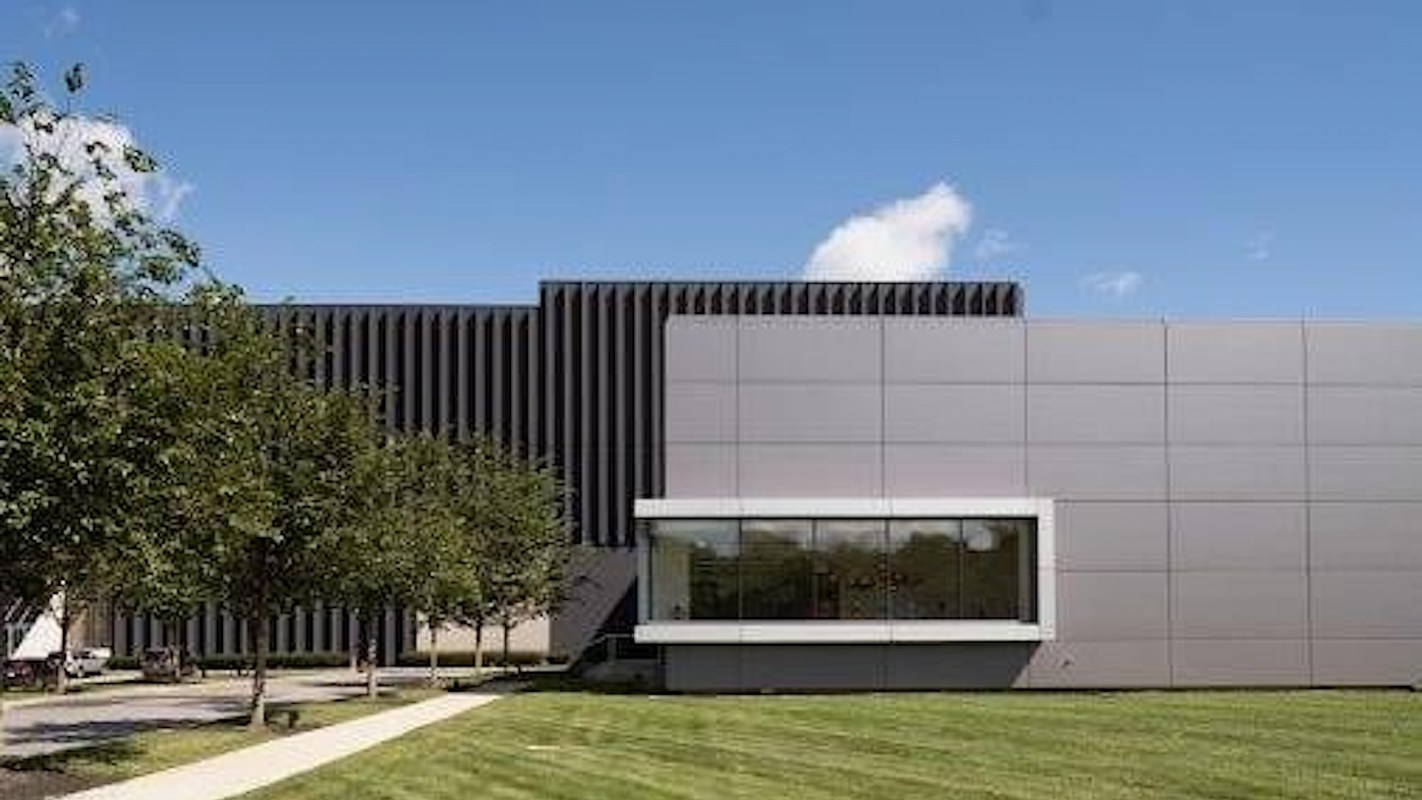
Residents in Lowell, Massachusetts, are challenging a state approval that would allow a data center to run dozens of diesel backup generators and cooling equipment near homes, The Sun reported.
What happened?
According to The Sun, 10 residents of Lowell filed a lawsuit against the Massachusetts Department of Environmental Protection and Markley Group LLC, the developer behind the large-scale data center Markley Lowell.
The outlet reported that the lawsuit contests MassDEP's approval for Markley to run 27 industrial diesel backup generators and 16 cooling towers in a residential area before a final project plan was approved.
The Sun reported that the lawsuit argues the state relied on what it describes as a "flawed air quality plan."
People in other places across the U.S. are also turning to lawsuits, protests, and elected officials as companies propose or expand data center projects.
Why is this concerning?
Diesel generators can create air pollution in neighborhoods, and cooling systems can produce constant industrial noise. When large infrastructure is placed close to homes, residents may worry about day-to-day quality of life along with environmental impact.
TCD Picks » Quince Spotlight
💡These best-sellers from Quince deliver affordable, sustainable luxury for all




While data centers are essential to the digital services many people use every day, they are increasingly tied to and used for artificial intelligence. Predictive AI can improve medical research, streamline transportation, and optimize clean energy systems.
But the computing power especially for generative AI also requires enormous amounts of electricity and, in many cases, significant amounts of water for cooling. That can strain power grids and raise operating costs, which could create higher energy bills.
What's being done?
By challenging the approval in court, the Lowell residents are trying to force closer investigation of the project's impact on people and the environment.
Outside Lowell, the Sun noted other communities have also been publicly opposing similar projects and pressing political leaders to respond. Zoning rulings, environmental permits, and public hearings can all influence what happens to a proposal.

Get TCD's free newsletters for easy tips, smart advice, and a chance to earn $5,000 toward home upgrades. To see more stories like this one, change your Google preferences here.






