


A new lawsuit in southwest Louisiana is once again forcing the courts to confront a familiar question: How much damage should coastal communities be expected to absorb for major fossil fuel projects?
For fishermen and environmental advocates, the answer cannot continue to be "more."
What happened?
A filing in Cameron Parish brought together the Sierra Club, local environmental organizations, and Louisiana fishermen in a challenge to a coastal use permit connected to the proposed 44-mile Marais Pipeline, according to the American Press.
If built, the line would send 1.9 billion cubic feet of methane each day to Venture Global's CP2 LNG export terminal, a roughly $33 billion project under construction near the Gulf of Mexico.
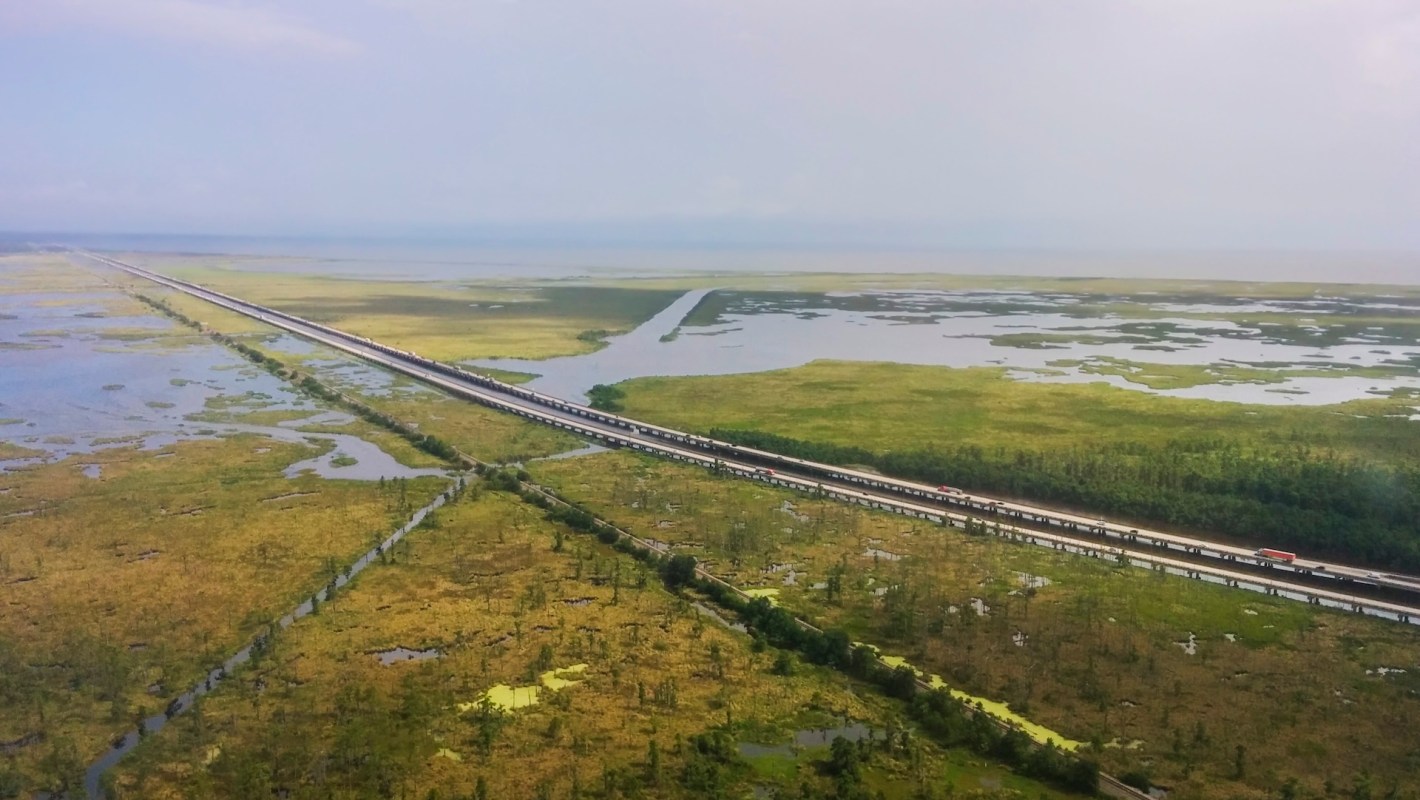
According to the petition submitted to the 38th Judicial District Court, the 48-inch pipeline would disturb more than 800 acres of coastal wetlands, and the plaintiffs said the permit was granted without a full review of the project's climate and coastal-erosion effects taken together.
That argument builds on a ruling from Judge Penelope Richard last October, when the same court said Louisiana regulators must evaluate combined climate effects before approving coastal permits in a separate challenge involving the Commonwealth LNG export terminal.
TCD Picks » Quince Spotlight
💡These best-sellers from Quince deliver affordable, sustainable luxury for all




Robyn Thigpen, executive director of Fisherman Involved in Sustaining our Heritage, or FISH, told the American Press, "The Marais Pipeline is another reminder that our communities are expected to carry the risks while corporations collect the profits."
Why does it matter?
Along Louisiana's coast, wetlands help buffer storms, support fisheries, and protect homes, jobs, and local economies.
When hundreds of acres are filled or disturbed, communities can face greater flood risk, weaker natural protections, and added strain on already fragile ecosystems.
Opponents have said the fight reaches beyond a single pipeline. Because the Marais line would supply CP2 LNG, the permit dispute is tied to a much larger expansion of gas export infrastructure. That means more pollution concerns, more industrial traffic, and more questions about who profits and who is left to live with the consequences.
In June, the Federal Energy Regulatory Commission said it will stop doing cumulative-impact reviews for major infrastructure projects, the American Press reported. In a separate concurrence, FERC Commissioner Judy Chang said the agency still has a legal obligation to evaluate how new infrastructure affects regions already burdened by pollution and industrial activity.
Advocates have argued that the federal shift makes strong state oversight even more important, especially in communities that feel they have already been asked to sacrifice too much.
What's being done?
The immediate response is the lawsuit itself, which asks the Cameron Parish court to revisit whether state regulators followed the law when they approved the pipeline permit.
It also marks the second recent case in which environmental groups have accused Louisiana officials of pushing through coastal approvals despite serious environmental concerns.
The challenge is part of a broader legal campaign surrounding the CP2 LNG project. The American Press reported that advocacy groups have also brought three federal cases tied to the export facility, targeting FERC approval, the Clean Air Act permit, and the Department of Energy export license.
Cathy Collentine, director of Sierra Club's Beyond Dirty Fuels campaign, said, "To make matters worse, this pipeline would supply the massive CP2 LNG export scheme that we know will worsen climate pollution, further threaten coastal wetlands, and drive up energy costs for families across the country."
For critics of the permit, the case is as much about respect as it is about regulation.
As Collentine put it, "Communities deserve a transparent, science-based review of the project's true costs before permits are issued, not after the damage is done."

Get TCD's free newsletters for easy tips, smart advice, and a chance to earn $5,000 toward home upgrades. To see more stories like this one, change your Google preferences here.






