


Lead exposure in children is often treated as a problem of the past.
But new research suggests the risk may be hiding in plain sight: in the soil beneath our neighborhoods.
A new study mapping soil contamination across Chicago revealed a troubling link between soil lead levels and childhood lead poisoning, offering fresh insight into why exposure persists today.
What's happening?
Lead — a potent neurotoxin — was eliminated from gasoline and paint decades ago, but it can linger in soil for generations.
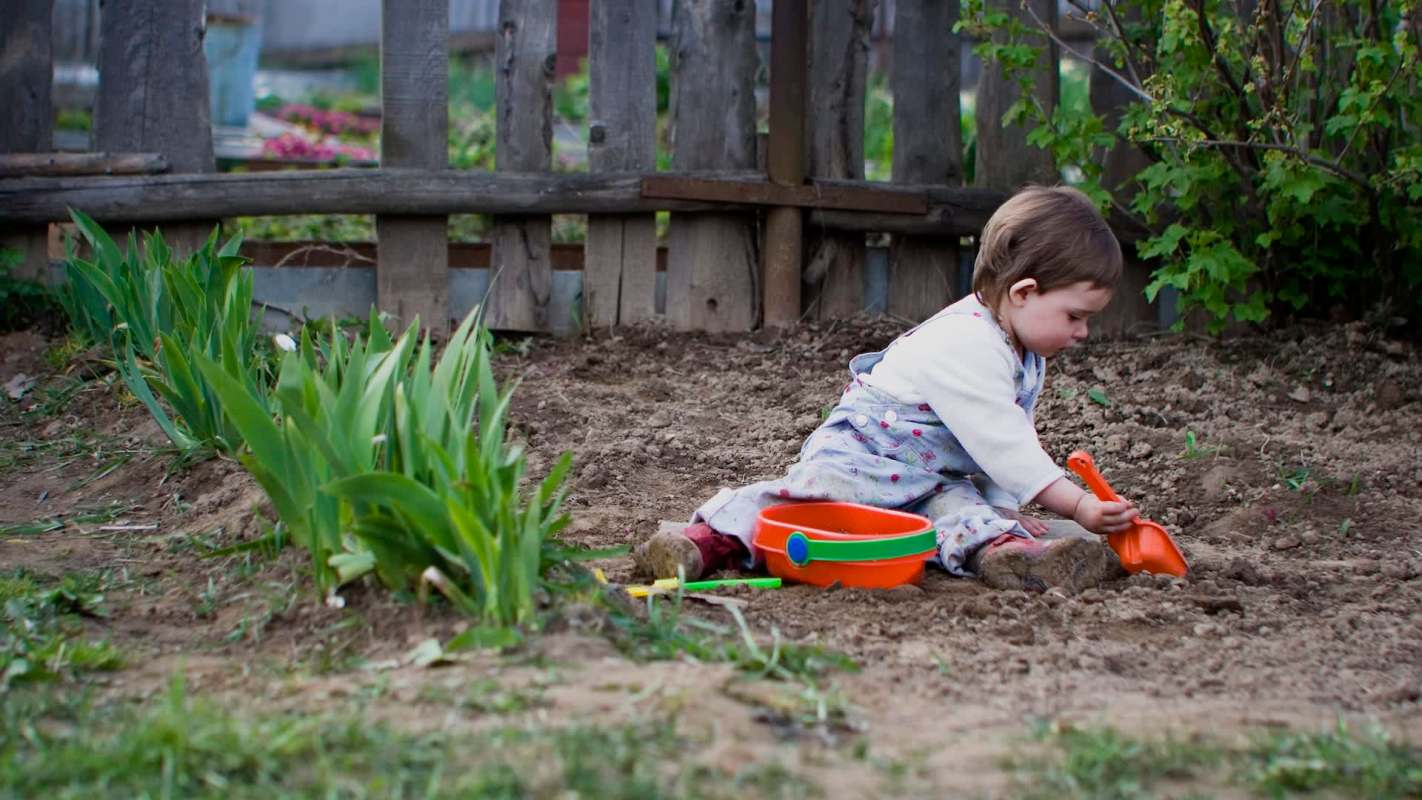
When children play outdoors, they can inhale or accidentally ingest contaminated soil or dust. In the new analysis, researchers tested about 1,750 soil samples across Chicago's 77 community areas and used a model to estimate children's blood-lead risk.
More than half of the samples exceeded the Environmental Protection Agency's screening level of 200 parts per million, with hot spots above 300 ppm.
The model suggests that about 27% of children citywide are at risk of elevated blood lead levels, rising to 57% in the most highly contaminated areas.
The study found that while household income remained the strongest predictor of elevated blood lead levels, soil lead levels are also a significant predictor — meaning outdoor contamination is playing a larger role than many prevention programs account for.
Why is lead exposure so concerning?
Lead exposure can cause lifelong developmental and neurological harm.
But because most U.S. prevention programs do not include soil testing, families often discover exposure only after a child's tests reveal high lead levels — after damage has already begun.
TCD Picks » Quince Spotlight
💡These best-sellers from Quince deliver affordable, sustainable luxury for all




|
Do you worry about having toxic forever chemicals in your home?
Click your choice to see results and speak your mind. |
 Majorly 😥
 The findings also highlighted environmental inequality: Children in under-resourced neighborhoods face higher compounded risks from legacy pollution.
What's being done about lead in soil?
Researchers say systematic soil testing and mapping could help cities intervene earlier and protect the most affected communities.
Local solutions include covering bare soil with mulch or grass, building raised-bed gardens with clean soil, and expanding remediation in high-risk zones.
Families and neighbors can push for soil-testing programs and safer outdoor spaces through community advocacy.
Increasing awareness — and talking with schools, health departments, and local representatives — can help bring this overlooked source of exposure into the spotlight.

Join our free newsletter for weekly updates on the latest innovations improving our lives and shaping our future, and don't miss this cool list of easy ways to help yourself while helping the planet.
Cool Picks





