


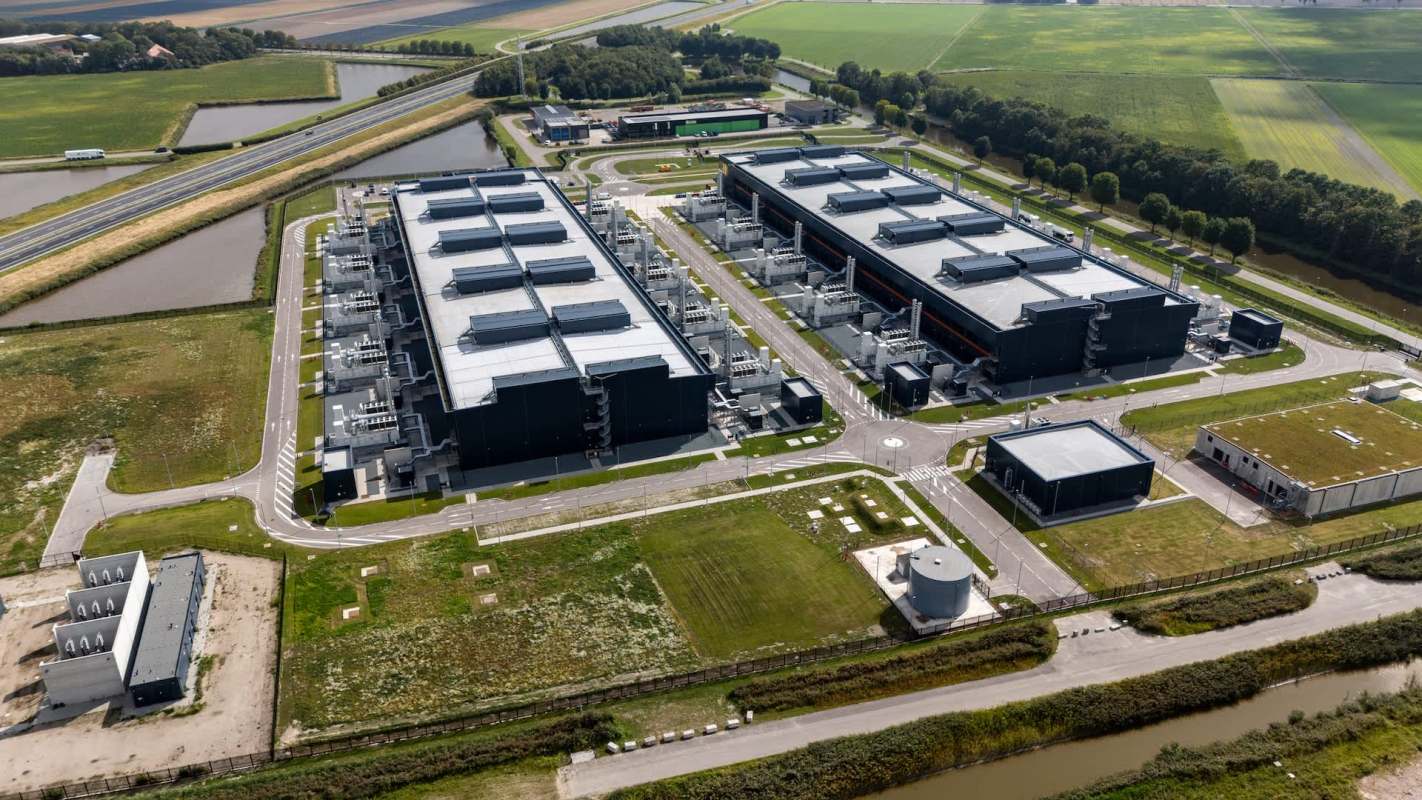
A proposed study in northeastern Pennsylvania could bring new scrutiny to one of the fastest-growing and most hotly debated parts of the digital economy: data centers.
In Lackawanna County, officials have received a $165,000 proposal to examine the possible air-quality and public-health impacts associated with those facilities.
What happened?
According to The Times-Tribune, officials were presented with a proposal to study the health implications of data center projects.
The proposal centers on what these projects could mean for people living nearby, particularly if large facilities require major electricity use, backup power systems, or other infrastructure that could affect local air quality.
Before large-scale development expands, communities may have more room to influence where facilities are built, how they operate, and what protections residents receive.
A study could also give leaders a baseline for future decisions, helping them weigh economic development against potential environmental and health concerns.
TCD Picks » Quince Spotlight
💡These best-sellers from Quince deliver affordable, sustainable luxury for all




Why does it matter?
Data centers are becoming a much larger part of everyday life because they support cloud computing, streaming, online services, and increasingly, artificial intelligence tools. But the physical footprint behind those digital services can be enormous.
Large facilities can require huge amounts of electricity and, in some cases, significant amounts of water for cooling. If that power comes from fossil-fuel-heavy grids — or if sites rely on diesel backup generators during outages or routine testing — nearby communities could face higher pollution levels, worsening respiratory and cardiovascular problems.
AI is closely tied to the energy grid because every chatbot response, image-generation request, and automated business process depends on servers operating inside data centers. That relationship is complicated. AI can help utilities forecast demand, reduce waste, and better integrate wind and solar energy. But the same computing boom can also increase electricity and water use, straining the grid and contributing to higher energy bills.
A local health review can give residents and policymakers a way to assess whether the promised benefits of a project match its drawbacks and are supported by meaningful safeguards.
What's being done?
The proposed study itself is an early step toward more informed oversight. Officials could use the research to identify risks in advance.
A health-impact review can help answer practical questions: What pollution sources could be involved? Which neighborhoods would be most affected? Are children, older adults, or people with asthma likely to face greater exposure? And what monitoring or mitigation measures should be required if projects move forward?
If officials proceed with the study, it could provide independent information before decisions are locked in.
A careful review would not automatically halt development, but it could help ensure future decisions are grounded in health data, energy realities, and community needs — not just enthusiasm for the next wave of digital infrastructure.

Get TCD's free newsletters for easy tips, smart advice, and a chance to earn $5,000 toward home upgrades. To see more stories like this one, change your Google preferences here.






