


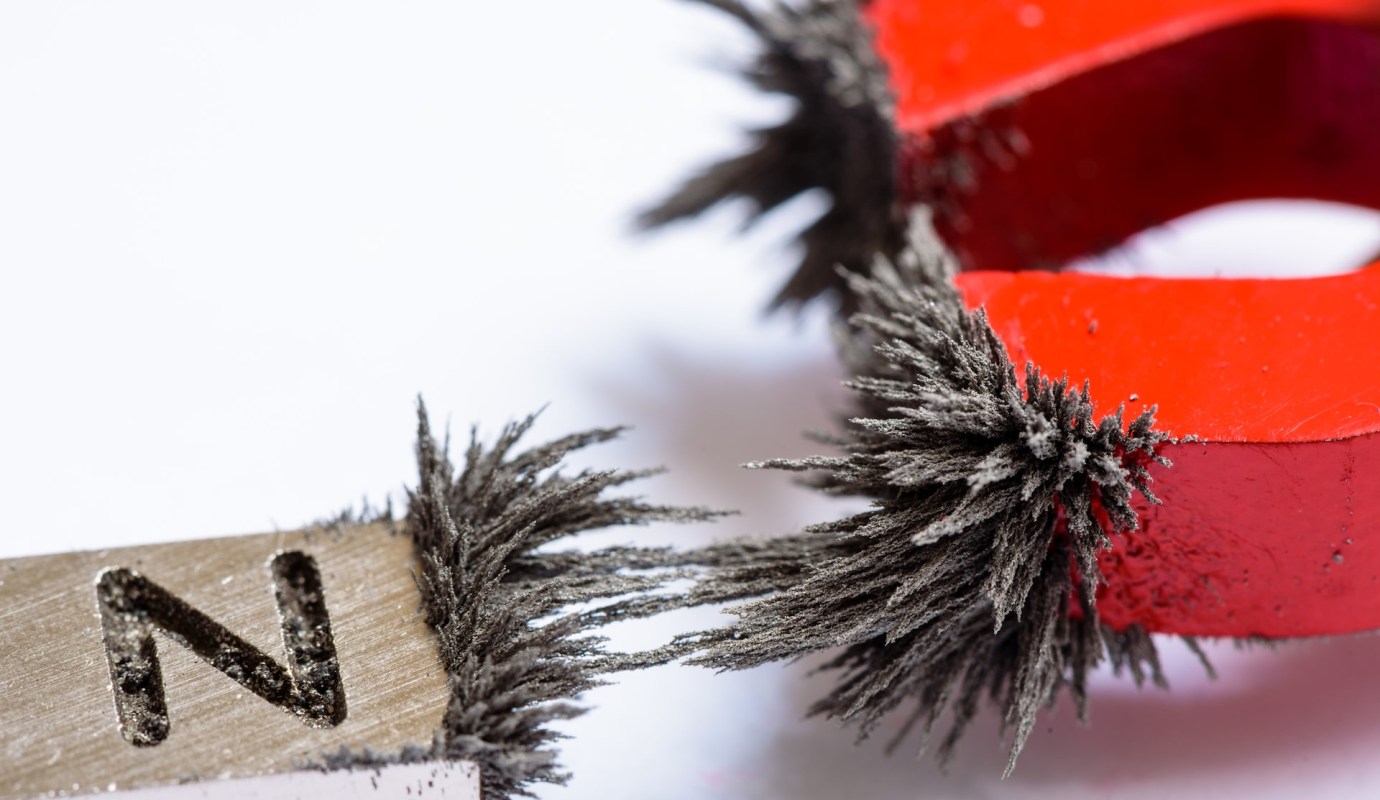
A new process developed by researchers from Kyoto University may help extract valuable rare-earth elements from end-of-life magnets in a more efficient and environmentally friendly manner.
The method is known as selective extraction–evaporation–electrolysis (SEEE), which is a three-step process that is said to recover high-purity neodymium and dysprosium, according to a report by Interesting Engineering.
Rare earth elements (REEs) are a group of 17 chemical elements found in the Earth's crust that includes neodymium and dysprosium — both key ingredients in magnets.
The creation of permanent magnets accounts for 29% of all industry applications using rare earth metals, and demand for these materials is growing.
They are key components in green technologies such as EVs, wind turbines, and e-bikes, making them essential to the low-carbon clean-energy transition.
"With the surge in demand for these technologies, efficient recycling of these critical materials has become crucial," the researchers explained.
"Traditional recycling methods often involve complex and energy-intensive processes with substantial environmental impact. In contrast, the SEEE process is designed to be more sustainable and precise."
The study, which was released earlier this year, detailed their process, which begins by using a molten salt mixture to selectively extract rare earth elements from old magnet scraps.
This is followed by selective evaporation, which removes any remaining extraction agents and byproducts, leaving behind a concentration of REEs.
|
Which of these factors would most effectively motivate you to recycle old clothes and electronics?
Click your choice to see results and speak your mind. |
 Giving me money back 💰
 The final step is selective electrolysis, where those elements are electrochemically separated, resulting in the recovery of high-purity neodymium and dysprosium for use in manufacturing new magnets.
TCD Picks » Quince Spotlight
💡These best-sellers from Quince deliver affordable, sustainable luxury for all




"The SEEE process achieved recovery rates of 96% for Nd and 91% for Dy, with both metals reaching purities exceeding 90%," which the researchers say marks a significant advancement in the field.
Recovering high-purity materials from old batteries or electronics can offer a more affordable and environmentally friendly alternative to mining, while diversifying the supply chain, which has long been dominated by China.
Mining projects can damage landscapes and leave a toxic mess in their wake that harms local communities and ecosystems, making the case for recycling and building up a circular economy from our waste streams.
Czech researchers have also been exploring greener methods of extracting valuable metals from old magnet waste, while others are developing ways to reclaim materials left behind from old mining operations, helping to reduce waste and bolster local supply chains.
The Kyoto University team believes that their SEEE process could make an impact across a variety of clean energy sectors in the future, such as reprocessing nuclear fuels.
While there's still plenty of work to be done to adapt this technology for industrial applications, the research team believes that "the initial results mark a significant step forward in the field of material recycling and environmental sustainability."

Join our free newsletter for weekly updates on the latest innovations improving our lives and shaping our future, and don't miss this cool list of easy ways to help yourself while helping the planet.
Cool Picks





