


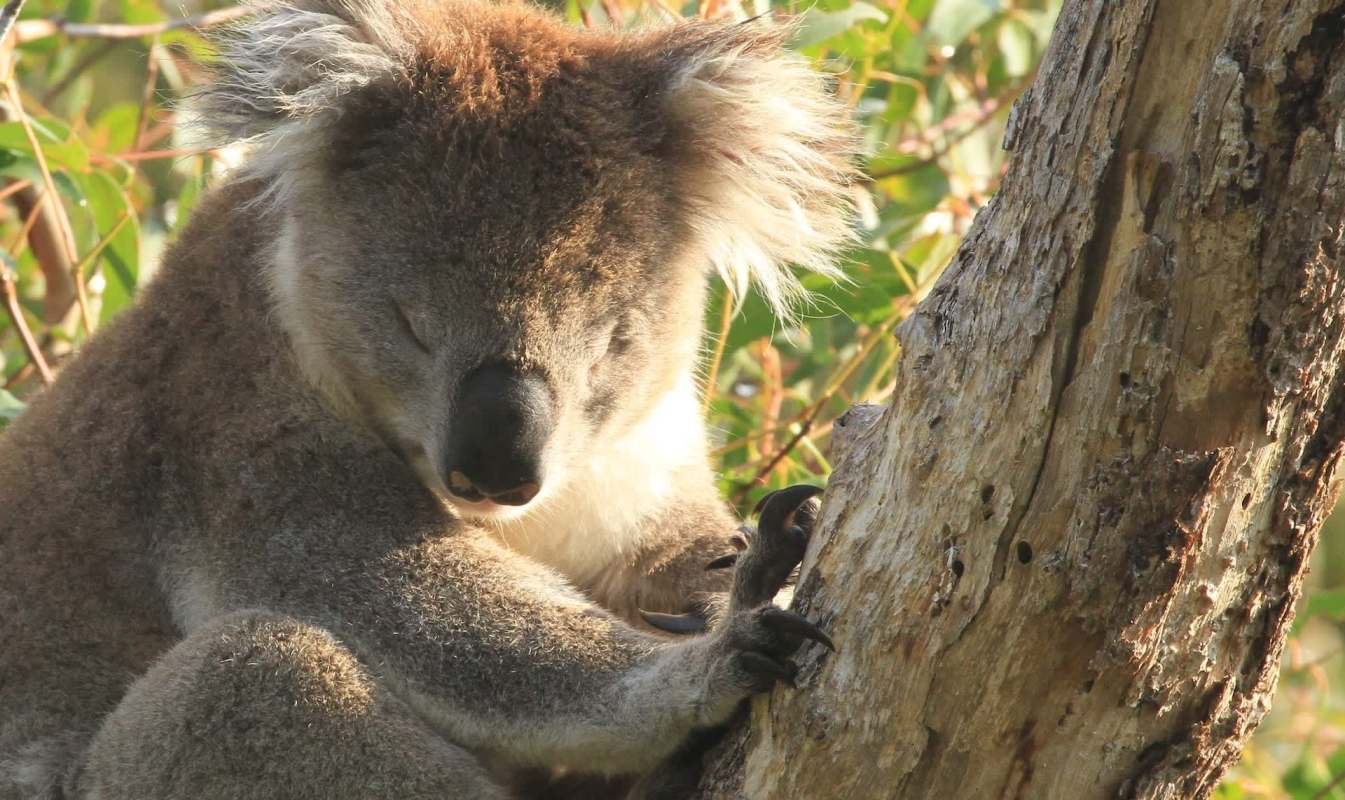
Researchers have generally accepted the narrative of humans contributing to the decline of koalas in Australia.
And while habitat destruction and urban expansion certainly expedited species loss, new genetic evidence points to a much earlier turning point. Rather than beginning with human arrival, the decline appears to have begun about 100,000 years ago, when koalas were already entering a major population crash.
What happened?
Earth.com reported that researchers at the University of Sydney and Texas A&M mapped the koala's population history over roughly the past 100,000 years and concluded that climate shifts — not early human activity — caused the species' first major collapse. The work was published in Molecular Biology and Evolution.
The researchers first measured how often fresh mutations appeared within four koala family lines by comparing parents and offspring. With that rate established, they applied it across 457 koala genomes to infer past population changes.
What emerged was a long decline: numbers started falling around 100,000 years ago and bottomed out about 60,000 years ago, in the last ice age. Drying conditions across Australia split western koalas from eastern ones, and the evidence suggests only a remnant eastern population persisted, later giving rise to today's five east coast groups.
Toby Kovacs, the University of Sydney PhD student who led the research, said, "The study rewrites the timeline for the koala's genetic history in Australia," per Earth.com.
TCD Picks » Quince Spotlight
💡These best-sellers from Quince deliver affordable, sustainable luxury for all




Why does it matter?
The finding changes how conservationists understand the risks koalas face. If koalas have already survived one severe climate-driven bottleneck, their DNA could help show how much resilience remains — and how little room there is for added pressure from habitat destruction, disease, and fire.
Koalas are part of ecosystems and local economies tied to biodiversity and tourism. When forests are fragmented or lost, nearby communities can also face worsening land degradation and increased bushfire risks.
Better genetic tracking could help officials step in earlier, before populations shrink too far and inbreeding makes recovery even more difficult.
Kovacs explained it this way: "Estimating the mutation rate improves our ability to reconstruct koala population history, understand their capacity to adapt, and make more informed conservation decisions for the future."
What are people saying?
Kovacs stressed that the new research does not absolve modern society of responsibility for the threats koalas face today.
"It's important to make clear many of the threats facing modern koala populations are caused by humans, which includes habitat loss and hunting," he said, per Earth.com.
He added, "The surviving koalas are again experiencing a similar retraction, but this time due to human driven land clearing, bushfires, hunting, and disease."

Get TCD's free newsletters for easy tips, smart advice, and a chance to earn $5,000 toward home upgrades. To see more stories like this one, change your Google preferences here.






