


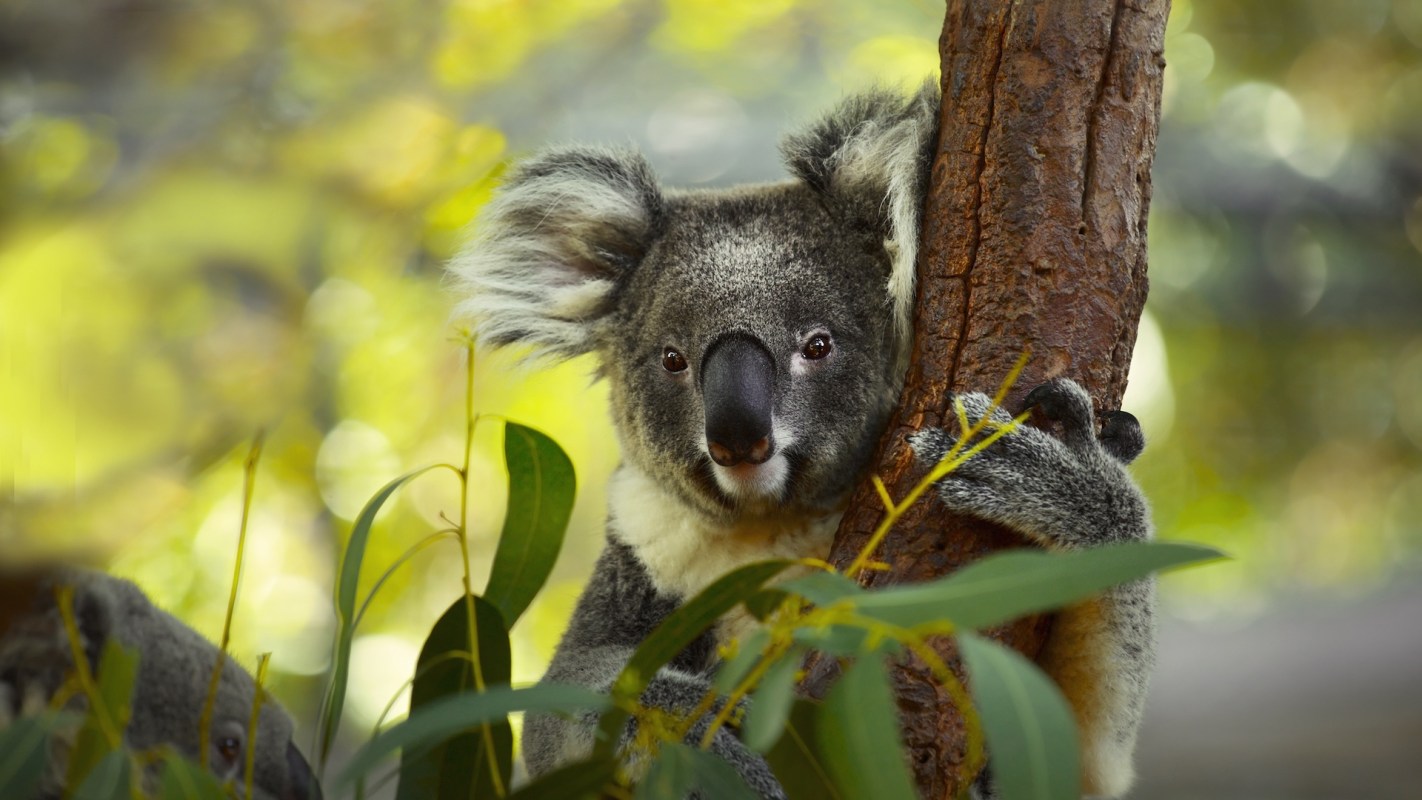
A new koala study is making waves online for a heartbreaking reason as researchers have found the clearest link yet between rising temperatures and higher rates of hospitalization and death in one of Australia's most iconic animals.
As extreme heat becomes more common, the findings are raising fresh alarms about what climate stress means not only for wildlife, but also for the communities trying to protect it.
Researchers from the University of Sydney reviewed nearly 12,000 koala admission records in New South Wales from 2020 to 2022, using information from three koala hospitals and one rescue service. They then matched those admissions, along with deaths after admission, to seven-day and 14-day average temperatures before and after each admission date, and to the location where each koala was rescued.
The results, published in Biology Letters, showed that the risk rose once the seven-day maximum daily temperature topped 80 degrees Fahrenheit. Once temperatures exceeded 86 degrees Fahrenheit, adult koalas faced a 1.5- to 3.5-times higher chance of hospital admission or death than at 77 degrees Fahrenheit, which was the average during the study period.
Lead researcher Dr. Valentina Mella said, "This research provides the most comprehensive link between rising temperatures and koala mortality."
Koalas already face pressure from habitat loss, drought, and disease, especially chlamydiosis. The study found that those threats can become even more dangerous during hot weather.
TCD Picks » Quince Spotlight
💡These best-sellers from Quince deliver affordable, sustainable luxury for all




Wildlife hospitals, rescuers, and local communities are often left to respond when heat waves push animals past their limits. In places such as inland northwest New South Wales, that burden may only increase. Dr. Mella also pointed to the study's finding that the Gunnedah koala population in the Liverpool Plains is now functionally extinct.
Koalas do have ways to cope, including seeking shade, conserving water, and even hugging cooler tree trunks. But those strategies may not hold up during longer, more intense heat waves.
Dr. Mella said the findings show that "a continued rise in air temperature and increased frequency of droughts are a serious threat to koalas in inland northwest New South Wales." She added, "Without proactive intervention, the continued rise in extreme heat events could push already vulnerable koala populations closer to extinction."

Get TCD's free newsletters for easy tips, smart advice, and a chance to earn $5,000 toward home upgrades. To see more stories like this one, change your Google preferences here.







