


Australia's government was trying to help when it launched a koala reintroduction in an area where the species had become "locally extinct." However, by rushing the process and ignoring expert advice, the reintroduction had tragic results, with more than half of the koalas dying.
What happened?
Internal reports obtained by The Guardian revealed that the New South Wales environment department moved the animals against expert advice, ignoring warnings from an independent scientific panel that labeled the plan "particularly risky." Soon after, the relocated marsupials started dying — and some were even left in the forest for weeks after the first deaths were recorded.
Postmortems showed several koalas were malnourished and emaciated, suggesting that the eucalyptus in their new environment may not have the nutrients they need.
"Koalas … have really tight diets," University of Sydney conservation ecologist Mathew Crowther said. "If the nitrogen isn't high enough and the toxins are high, the koala basically can't survive. It can't get enough nutritional content."
Sue Higginson, an environment spokesperson for The Greens NSW, called the government's decision "a reckless indifference to the welfare and fate of the individual animals." She has since referred the deaths to the RSPCA for an animal cruelty investigation.
Why is this incident concerning?
This underscores the delicate balance required in wildlife conservation. Koalas, already classified as endangered in several Australian states, face multiple threats from habitat loss, heat stress, and disease. Failed interventions like this harm them and can make the public lose confidence in conservation efforts.
TCD Picks » Quince Spotlight
💡These best-sellers from Quince deliver affordable, sustainable luxury for all




Not only are koalas beloved animals and significant to Indigenous Aboriginal Australians, but they're also important to the ecosystem. Koalas keep eucalyptus vegetation in check, help transfer nutrients down the food chain, and thin forest canopy for better tree health — all of which have benefits across the ecosystem.
The panel had suggested steps to improve chances of success — all of which were ignored. What's worse, officials failed to act quickly at the first signs of the project going wrong.
"Then what took place can only be described as a coordinated cover-up of the truth," Higginson said.
What's being done to improve conservation strategies?
The NSW environment department has launched an internal review to assess what went wrong, promising to reexamine the project's planning and oversight.
|
Should the U.S. government ban all products tested on animals?
Click your choice to see results and speak your mind. |
 Absolutely 👍
 Experts warn that translocation without sufficient ecological research — such as testing local vegetation — risks repeating similar tragedies. They urge the government to ensure future relocations include scientific testing and take precautions such as captive feeding trials and post-release monitoring.
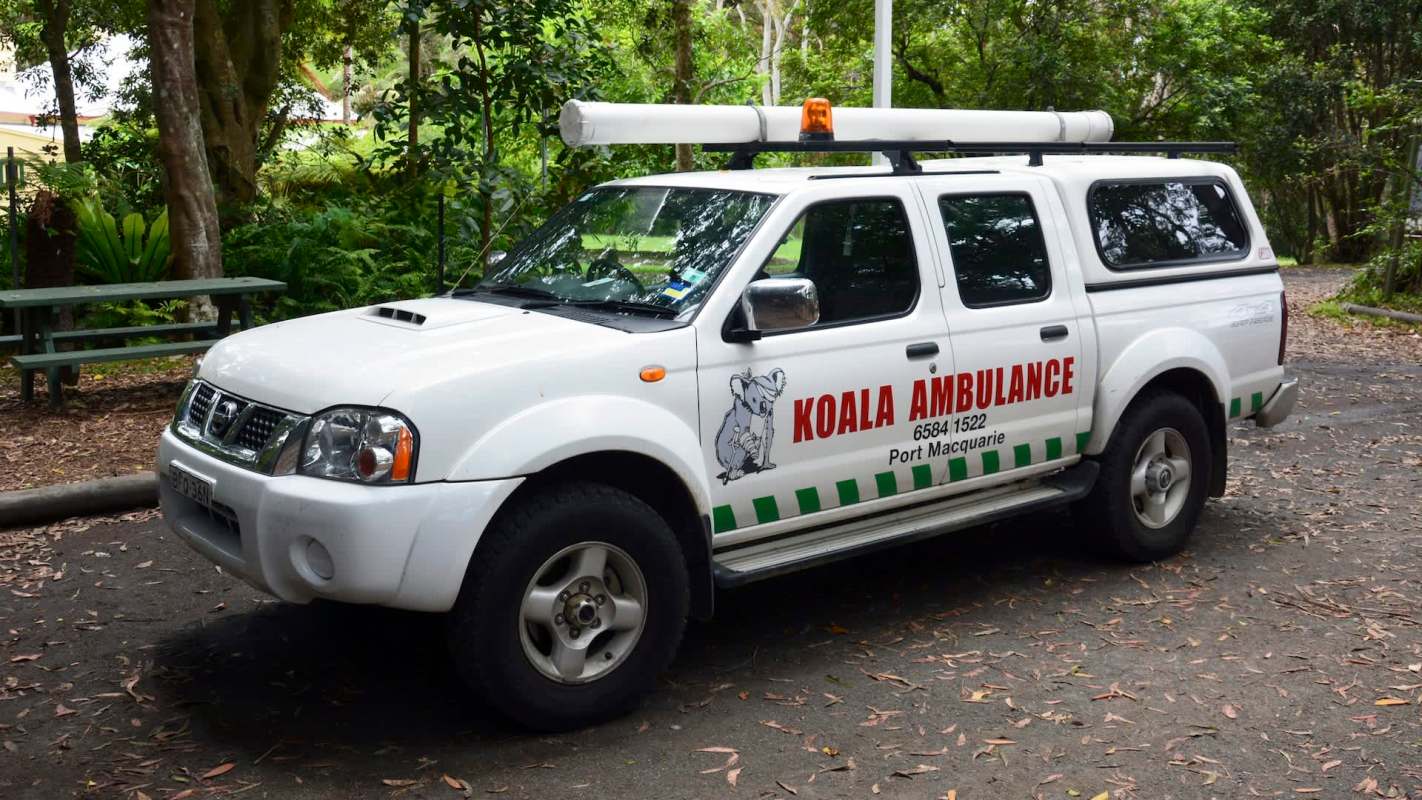
In the meantime, local wildlife groups are continuing efforts to safeguard koalas, and initiatives such as The Great Koala National Park and Port Macquarie Koala Hospital's efforts are helping the species recover.

💰Get TCD's free newsletters for easy tips to save more, waste less, and make smarter choices — and earn up to $5,000 toward clean upgrades in TCD's exclusive Rewards Club.







