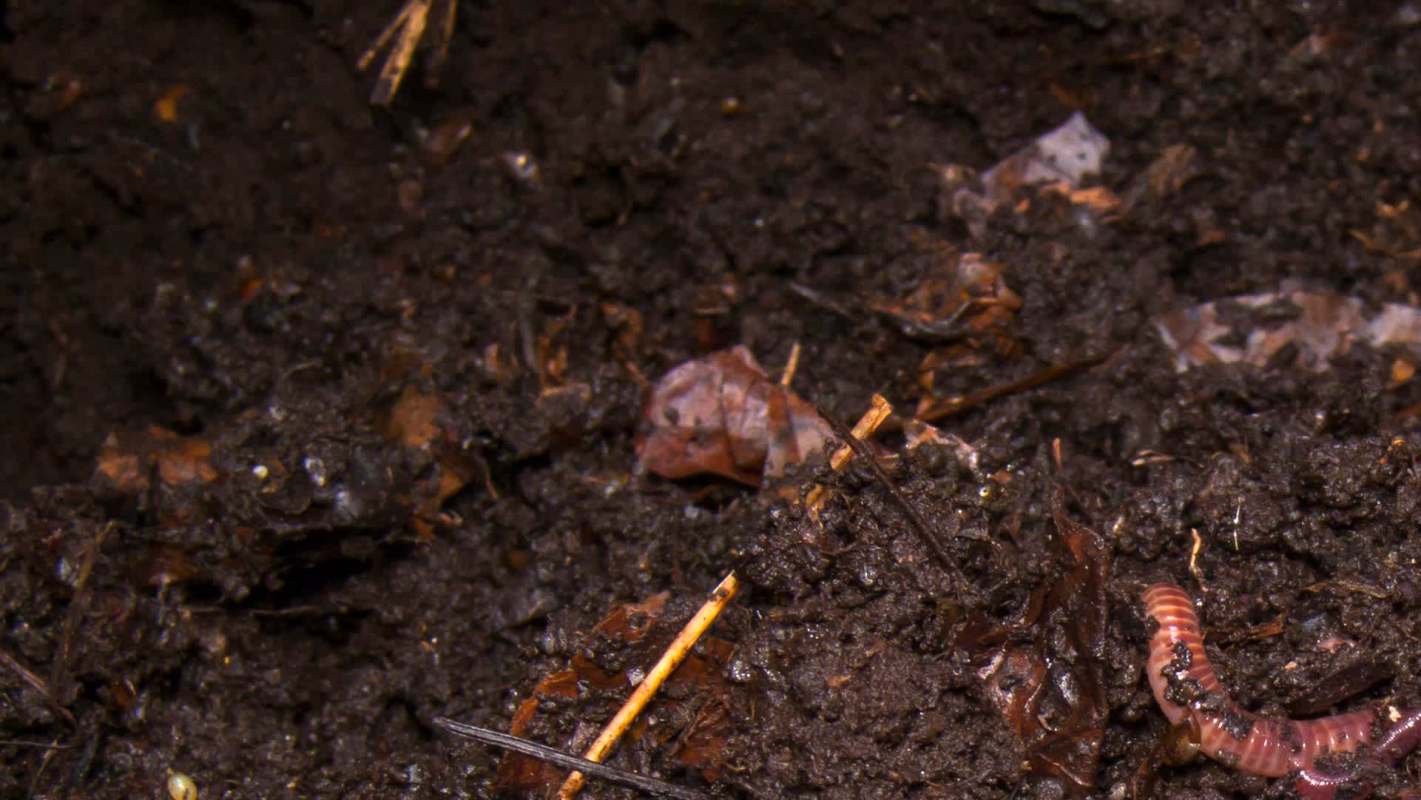
An invasive worm is gaining ground in Oregon's Willamette Valley, and rather than improving soil, it can leave behind a loose, parched layer that looks like spent coffee grounds.
According to Oregon Public Broadcasting, jumping worms have now been documented in more than 30 states. In Oregon, they were first identified in Grants Pass in 2016 and have since spread through the valley.
What's happening?
At Salem's Sunnyside Gardens, gardener Kathy Arnold said the pests are easy to spot once disturbed.
"They're just all over the place," Arnold said.
Although jumping worms, or Amynthas agrestis, resemble familiar night crawlers, they occupy the upper soil layer rather than tunneling deep below. OPB reported that they quickly devour leaf litter and other organic matter that plants depend on, instead of contributing to moisture-holding soil.
As that material disappears, the ground is left as loose, pellet-like castings that shed water rather than absorb it. Samuel Chan of the Oregon State University Extension Service said the effects are especially concerning in places where local ecosystems did not develop alongside worms like these.
TCD Picks » Quince Spotlight
💡These best-sellers from Quince deliver affordable, sustainable luxury for all




"Our forests are not adapted to surface-dwelling earthworms that consume organic material or leaf litter at such high rates," Chan said.
Experts have also begun finding infestations outside the Willamette Valley, including in Milton-Freewater, and the worms could continue spreading into gardens, farmland, and forests.
Why does it matter?
For home gardeners, the invasion threatens one of the simplest ways to cut grocery costs: growing food at home. But worms that degrade soil can make that effort harder and more expensive.
Arnold said shallow-rooted crops in her garden are already being affected.
"There are certain things that don't do as well like beets, certain onions, things that have a shallower root," she said. "When I plant, I bring in new soil and compost in order to get things to grow. It's just more costly with the worms here."
The broader ecological risks may be greater still. OPB reported that when jumping worms strip away leaf litter, native plants may have a harder time sprouting, and water may wash off the surface rather than sink in. OSU Extension Horticulturalist Brooke Edmunds warned, "This can have major effects for plant growth where the roots are not able to get that water."
In areas where jumping worms take hold, they can also out-compete more beneficial earthworms, gradually disrupting soil health.
What's being done?
There is no EPA-approved product specifically designed to eradicate jumping worms, so specialists say the immediate priority is limiting their spread. Some suppression may be possible through solarization, which uses clear plastic to trap heat in the soil.
To help contain them, gardeners should avoid transporting soil, mulch, compost, potted plants, and dirty tools from infested places, OPB noted. Cleaning footwear and equipment also matters, since eggs and cocoons can be carried in small amounts of clinging dirt.
Researchers are also pursuing larger solutions. OPB reported that scientists launched the Healthy Soil Collaborative in 2022 to research the worms, curb their spread, and work toward approved biological or chemical controls.
"This organization includes scientists from eight institutions with a variety of specializations," Josef Görres explained. "So, help is on the way."

Get TCD's free newsletters for easy tips, smart advice, and a chance to earn $5,000 toward home upgrades. To see more stories like this one, change your Google preferences here.