


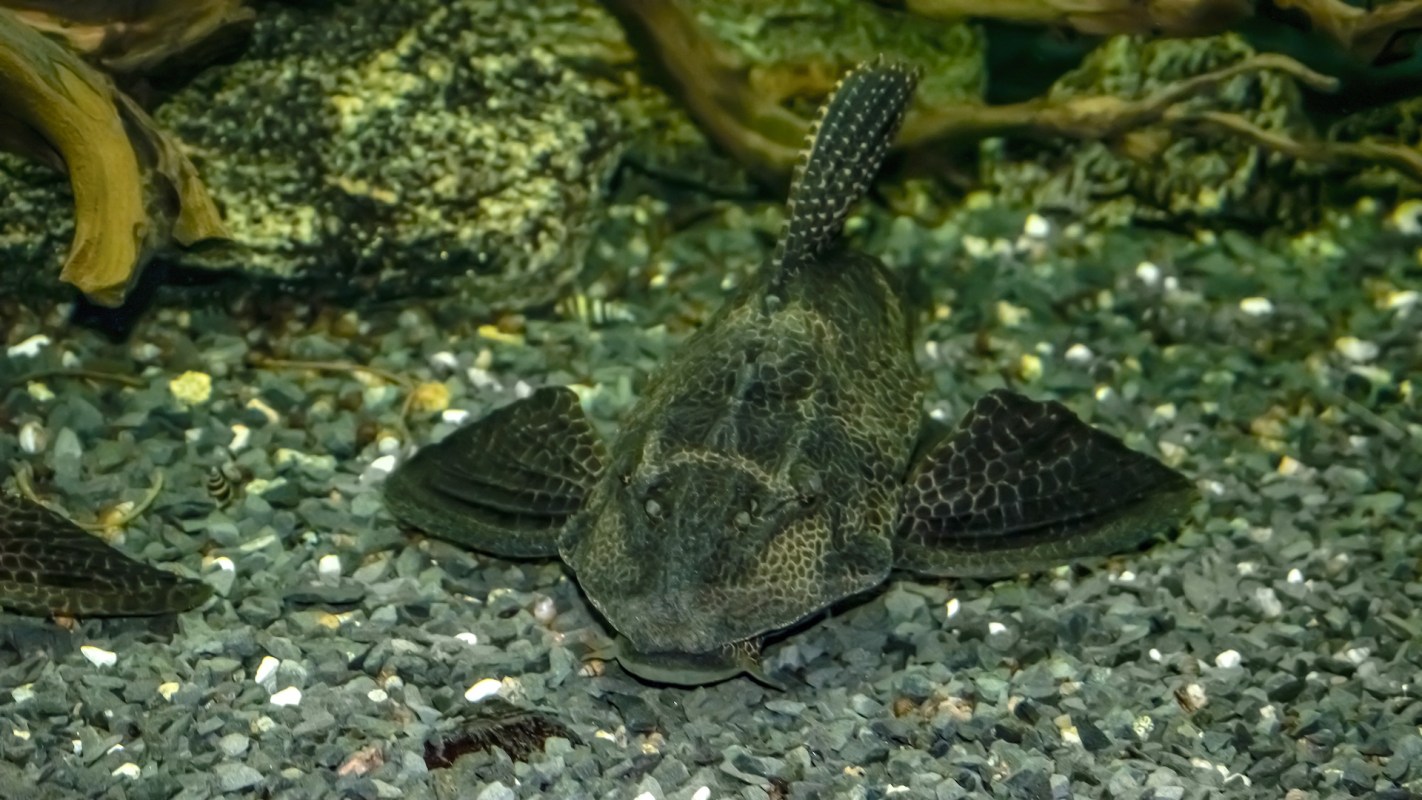
Cheers broke out in Jakarta as residents, municipal crews, and environmental volunteers pulled heavy nets of invasive "janitor fish" from a reservoir.
The dramatic cleanup is part of a city campaign aimed at removing at least 10 tons of fish from local waterways, helping the Ciliwung River recover, and drawing attention to water quality in Indonesia's capital.
What happened?
According to the Associated Press, Jakarta authorities have launched a high-profile effort against janitor fish — invasive suckermouth catfish Pterygoplichthys, locally called "sapu-sapu." In recent cleanup operations, residents joined city workers and volunteers to pull the fish from a reservoir as people cheered from the banks.
The fish are not native to Indonesia. They were brought in for aquariums decades ago because they eat algae, then were released and spread through Jakarta's heavily polluted waterways. That has made them especially difficult to control. The fish can reach roughly 50 centimeters, or close to 20 inches, and survive for about 10 to 15 years. An ecologist from the Bandung Institute of Technology said the species is unusually resilient in conditions that many other fish cannot survive.
Officials hope that removing tons of the fish will reduce their numbers and refocus attention on the health of the city's rivers.
Why does it matter?
Invasive species can severely disrupt freshwater ecosystems, especially in dense urban areas where waterways are already under strain. When a hardy nonnative species takes over a river, it can crowd out native wildlife and make ecological recovery even more difficult.
TCD Picks » Quince Spotlight
💡These best-sellers from Quince deliver affordable, sustainable luxury for all




Janitor fish thriving in polluted water is a warning sign about the condition of the city's rivers. A species that can tolerate dirty, degraded conditions may continue spreading while more sensitive native species disappear. As one ecologist noted, "the fish's adaptability is very high," and the species can flourish where urban rivers are already struggling.
River health affects neighborhood quality of life, public spaces, and confidence that city infrastructure is improving. When waterways decline, progress toward cleaner, healthier conditions slows.
What's being done?
The most immediate step is removal. Jakarta officials aim to remove at least 10 tons of janitor fish from city waters through coordinated cleanup efforts involving both government workers and community volunteers.
That kind of campaign can help reduce pressure on local ecosystems, but it is only part of the solution. Removing invasive fish does not erase the pollution problems that helped them thrive in the first place. Lasting improvement will depend on cleaner water and sustained attention to river conditions.
Aquarium pets should never be released into lakes, ponds, or rivers. Rehoming unwanted fish through responsible channels is far safer than introducing them into the wild, where they can become a persistent problem.
Community cleanups and public awareness can also help cities respond more quickly. Prevention is much easier than trying to reclaim an ecosystem after an invasive species has spread.

Get TCD's free newsletters for easy tips, smart advice, and a chance to earn $5,000 toward home upgrades. To see more stories like this one, change your Google preferences here.






