


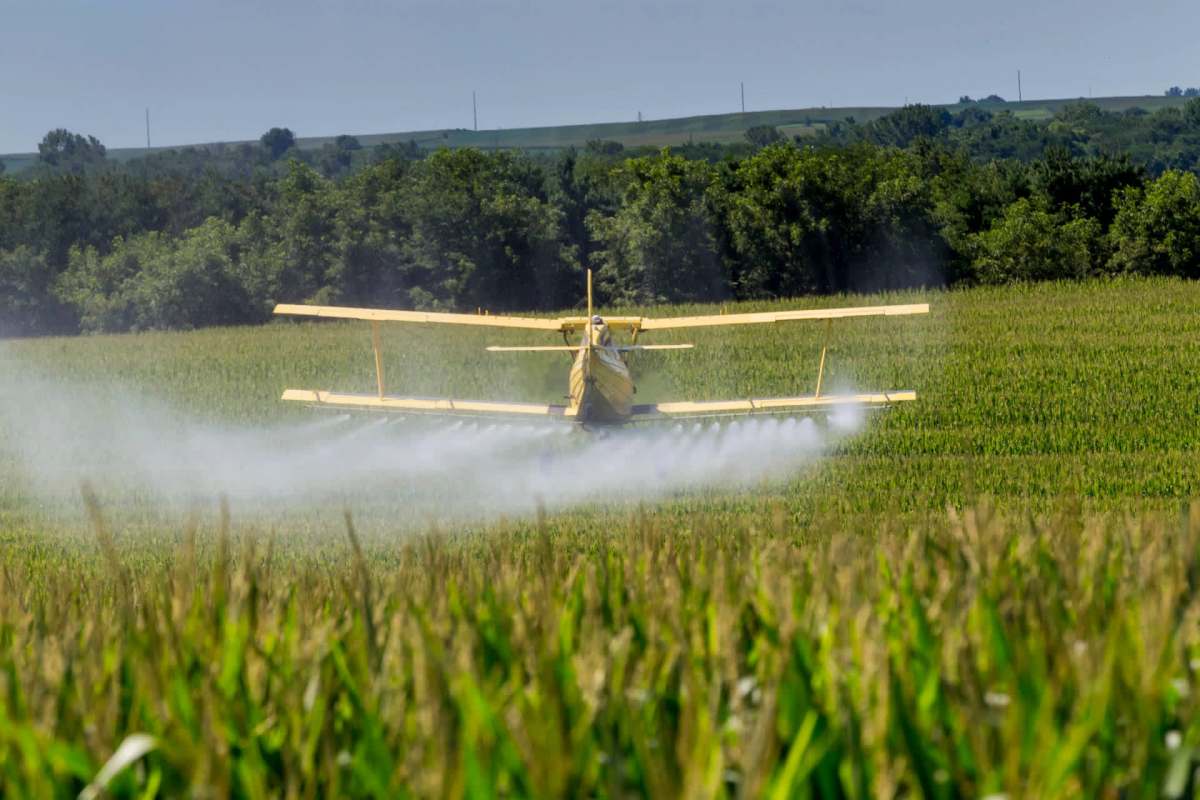
Iowa cancer rates are the second-highest in the nation and rising, and some think it could have to do with common agricultural chemicals.
What's happening?
"People in rural communities are getting sick. Cancer is just everywhere," Kerri Johannsen, senior director of policy at the Iowa Environmental Council, told the Guardian, which reported on this health crisis. "Every person I talk to knows somebody that has [recently] had a cancer diagnosis. It's just a constant drumbeat. It's scary."
The Guardian added that Iowa is just one of two states where cancer rates are increasing, but the cause has been unclear. However, many residents are blaming herbicides, pesticides, and other chemicals used on farms. Then there is the state's problem with hazardous nitrates — often coming from agricultural fertilizers and manure from large-scale livestock operations — that wash off farm fields and enter the water supply.
Now, a new study will look into these theories as well as cancer links to per- and polyfluoroalkyl substances and high radon levels, the Guardian reported.
"We really want to find out why these cancers are increasing," Elise Pohl, a former community health consultant for the Iowa Department of Health who will be the study's lead researcher, told the Guardian. "We're homing in on the agriculture side of things."
Why is this study important?
Agriculture is integral to Iowa's economy, contributing $159.5 billion to the state each year, according to the Iowa Farm Bureau. And around one in five Iowa residents are employed in agriculture or by agriculture-related businesses, the organization added.
Meanwhile, a number of studies have found links between common agricultural chemicals and cancer. For instance, one recent investigation by Stanford University found that more than 20 types of pesticides may significantly increase the risk of prostate cancer.
These pesticides also endanger wildlife. One conservation group states that malathion endangers more than 1,500 species and recently brought a lawsuit against the U.S. Fish and Wildlife Service for its alleged failure to rein in use of the substance.
This problem is global in scope — one study estimated that 3.85 million tons of pesticides were used on crops worldwide in 2020.
What's being done about potentially dangerous agricultural chemicals?
Farm Bureau Financial Services recommends that farmers wear personal protective equipment such as gloves, safety glasses and shoes, earplugs or muffs, hard hats, respirators, coveralls, vests, and full body suits when handling potentially dangerous chemicals.
TCD Picks » Quince Spotlight
💡These best-sellers from Quince deliver affordable, sustainable luxury for all




|
Do you worry about having toxic forever chemicals in your home?
Click your choice to see results and speak your mind. |
 Majorly 😥
 However, some farmers are implementing more planet-friendly practices that reduce their need for conventional pesticides, herbicides, and fertilizers in the first place. Organic agriculture involves growing and processing food without using synthetic fertilizers or pesticides, and a number of studies have shown promise for organic fertilizers.
For instance, one study found that using microbial biofertilizers and algae-based biostimulants instead of synthetic fertilizers on tomato crops improved both yield and quality.

Join our free newsletter for weekly updates on the latest innovations improving our lives and shaping our future, and don't miss this cool list of easy ways to help yourself while helping the planet.
Cool Picks





