


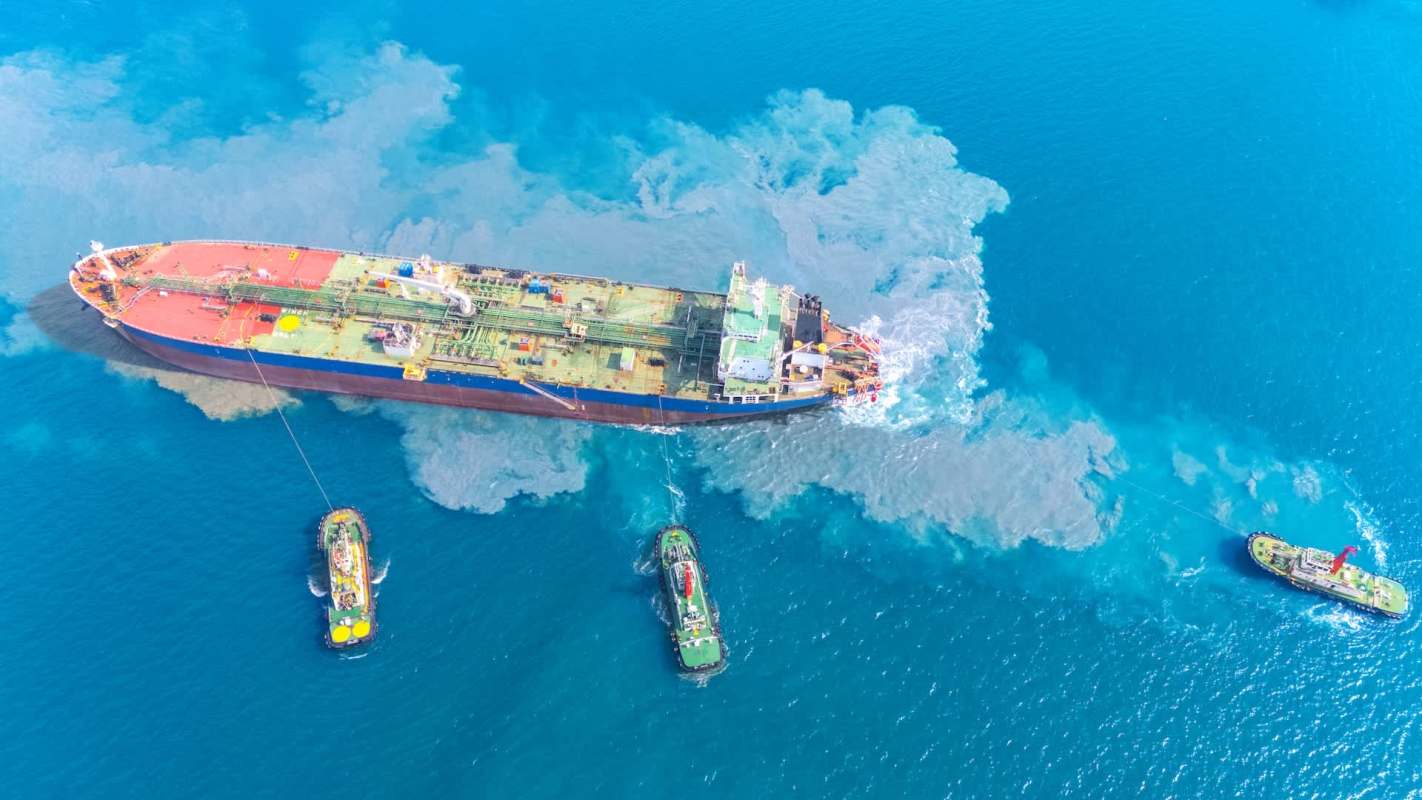
A maritime traffic jam in the Persian Gulf may bring an ecological threat beyond the conflict itself. With more than 1,500 ships sitting idle, scientists fear their hulls could end up transporting invasive marine species around the world.
What's happening?
Researchers say the shipping disruption near the Strait of Hormuz could become a biological "super-spreader event," as ABC News reported.
The waterway links the Persian Gulf and Gulf of Oman and serves as a critical route for about a fifth of the world's oil supply, according to the U.S. Energy Information Administration.
ABC News reported that Mario Tamburri, a marine ecologist at the University of Maryland's Center for Environmental Science and the study's lead author, warned that long delays give marine growth time to pile up on ship hulls — a process called "biofouling," where growth can range from microorganisms and algae to plants, barnacles, mussels, and other invertebrates.
The size of the backup is part of the concern. ABC News reported that more than 1,500 vessels are stalled in the Persian Gulf, with several hundred more anchored in the Gulf of Oman. When those ships start moving again, attached organisms could be carried into ports across the globe.
Because species from this region already tolerate warm, salty water, they may be unusually well suited to survive the trip elsewhere.
TCD Picks » Quince Spotlight
💡These best-sellers from Quince deliver affordable, sustainable luxury for all




"If you can survive high temperatures, high salinities, you can probably survive long ship voyages," Tamburri said.
Why does it matter?
Invasive species can permanently harm local waters while also damaging fishing economies and coastal industries that communities depend on for food and jobs.
"All these marine organisms, invertebrates like barnacles and mussels and algae — they start growing and reproducing," Tamburri said. "And they're sitting in this warm soup of nutrient-rich water."
Researchers say every extra day those vessels remain stalled near the Strait of Hormuz raises the odds that tough marine organisms will spread to distant ecosystems and the communities connected to them.
After a non-native organism gains a foothold, getting rid of it is often costly and extremely difficult since they have no known natural predators. As one example, Tamburri pointed to zebra mussels, which spread into the Great Lakes decades ago and became a lasting ecological and economic burden.
"We know that these invading organisms can cause millions of dollars' worth of damage and impact — commercial operations like aquaculture and fisheries — and change the environment," he said.
The consequences can ripple far beyond the water itself. Communities can face higher costs tied to cleanup, infrastructure damage, disrupted fisheries, and stressed waterways. Industrial ports are especially vulnerable, since disturbed ecosystems can give fast-growing invasive species a chance to take hold.
What's being done?
Prevention remains the best defense, and many ports already offer in-water hull cleaning, where divers scrape away buildup before the ship departs to ensure no organisms are carried elsewhere.
Tamburri and other ecologists say that process should go further. Instead of simply scraping growth into the surrounding water, vacuum-style equipment has been suggested to capture the material so live organisms do not immediately reattach to another vessel.
"If at all possible, ships really need to try to clean their hulls before they leave," Tamburri said.
Stronger rules may also help. New Zealand already requires vessels entering its waters to have clean hulls, and the International Maritime Organization has been pushing for tougher biofouling standards.

Get TCD's free newsletters for easy tips, smart advice, and a chance to earn $5,000 toward home upgrades. To see more stories like this one, change your Google preferences here.






