


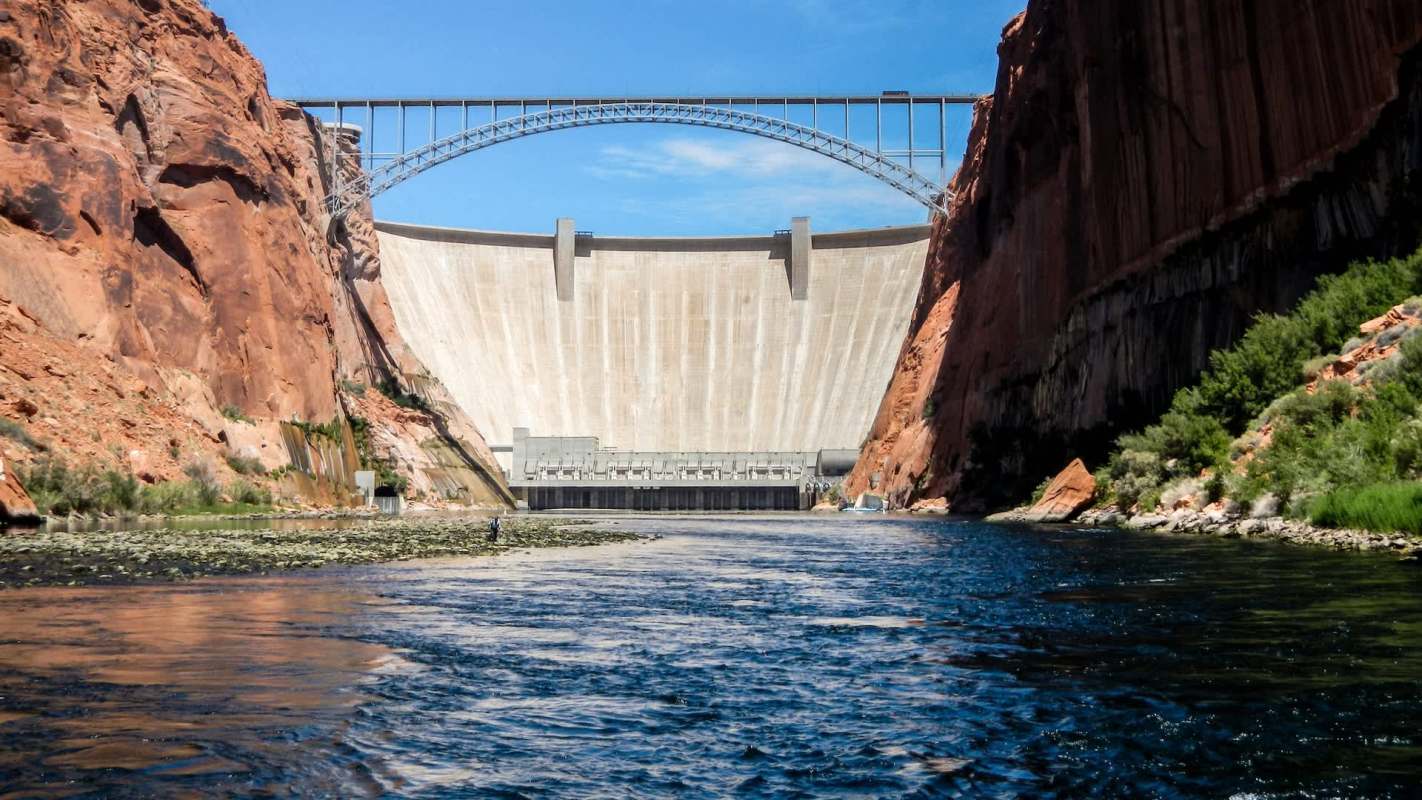
Grand Canyon researchers are sounding the alarm after invasive crayfish numbers climbed sharply downstream of the Glen Canyon Dam, with worries that the species could reach some of the Southwest's remaining relatively pristine tributary streams.
Experts fear they could put additional pressure on native fish, outdoor recreation, and a river system that communities across the region depend on.
Here's what to know
In a short stretch of the Colorado River below Glen Canyon Dam, National Park Service biologists have caught more than 3,000 invasive crayfish this year alone. In 2025, they found only two dozen there, according to AZ Central.
The NPS also said other non-native species are becoming more common, including bluegills and sunfish.
As reported by AZ Central, scientists think the crayfish may be benefiting from warmer water released below the dam as drought and heavy demand move Lake Powell's warmer surface waters closer to the hydropower intake zone.
And the drought that the state is experiencing is quite serious. According to the U.S. Drought Monitor, as of August 8, nearly 90% of the state was experiencing some level of drought, with almost half (48%) in at least severe drought conditions.
TCD Picks » Quince Spotlight
💡These best-sellers from Quince deliver affordable, sustainable luxury for all




The crayfish species benefiting from these conditions is an aggressive omnivore that feeds on aquatic plants, fish, fish eggs, and even snakes.
More background
The crayfish surge adds to a growing invasive-species problem in the Grand Canyon region, where agencies have already been working to stop smallmouth bass from spreading and preying on rare native fish such as humpback chub.
That warming weakens one of the river's defenses against invaders. For years, colder water released from the dam helped shield the canyon from warm-water invasive species, even as it created a trout fishery that supports guides and visiting anglers, per AZ Central.
As that buffer fades, both native wildlife and local recreation economies could come under added strain.
Crews are now removing invasive species from the river with electrofishing and nets. They are also considering chemical treatments for certain areas and backwaters near the dam, where invasive species gather and reproduce, according to AZ Central.
Officials are also examining additional ways to prevent invasive species from passing through the dam, including a possible "thermal curtain" in Lake Powell, per AZ Central.

Get TCD's free newsletters for easy tips, smart advice, and a chance to earn $5,000 toward home upgrades. To see more stories like this one, change your Google preferences here.






