


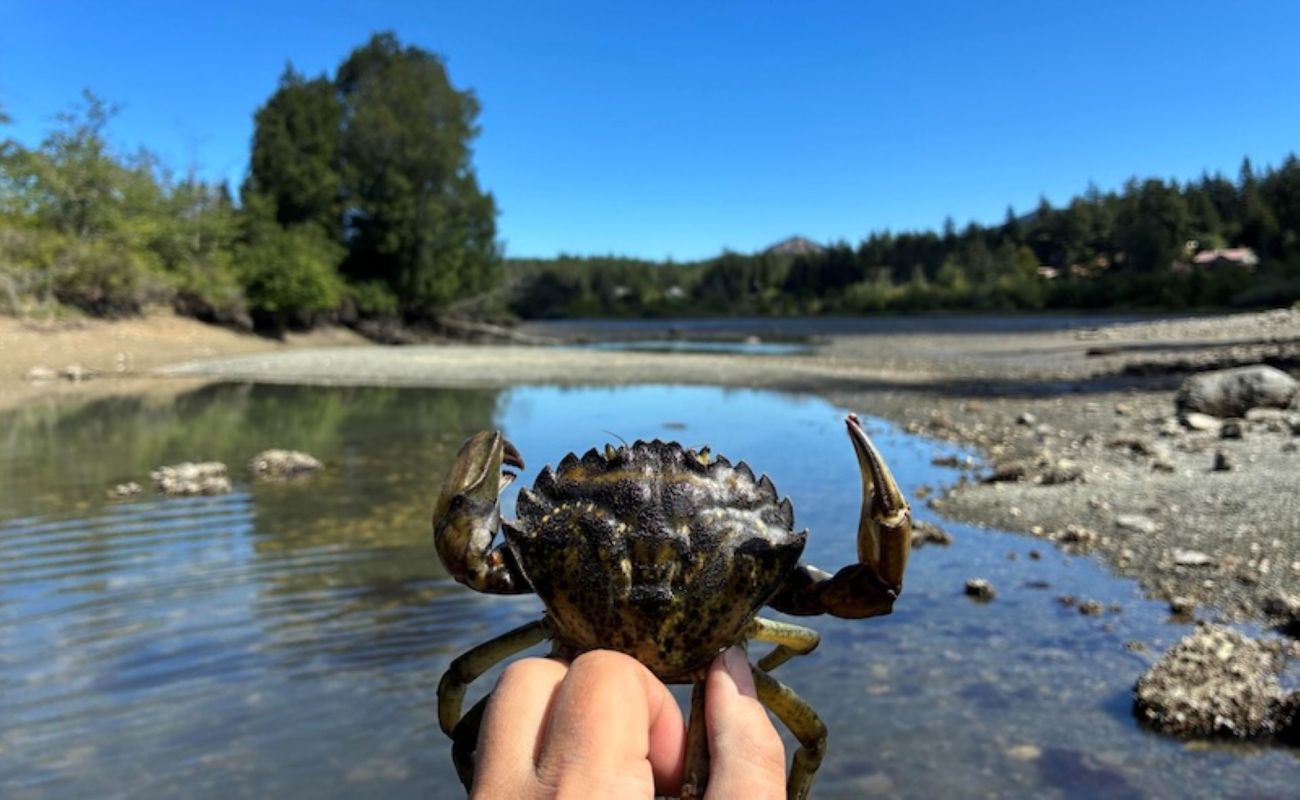
Concern is growing on Orcas Island after an invasive crab was caught in Deer Harbor, Washington.
What happened?
After middle school students spotted what looked like a green crab molt on Orcas Island in May, state fish and wildlife crews later trapped a male European green crab in Deer Harbor, as Cascadia Daily News reported.
In response to the students' discovery, officials placed 208 traps around the island, according to CDN. One of those traps caught a crab measuring 87 millimeters (3.4 inches).
According to a June 18 news release from the Washington Sea Grant Crab Team, "The very large size of that crab indicates it has been present at the site for at least three or more years."
Because the captured crab was too large to have produced the molt the students found, the group said the evidence suggests additional invasive crabs may already be on Orcas Island.
CDN also reported similar green crab detections in Chuckanut Bay, Skagit Bay, Lummi Sea Pond, and Wescott Bay. Researchers believe strong El Niño conditions may be helping the species spread into Western Washington by warming waters and reversing ocean currents in ways that improve larval survival.
TCD Picks » Quince Spotlight
💡These best-sellers from Quince deliver affordable, sustainable luxury for all




Why does it matter?
These crabs are more than a nuisance. As aggressive invaders, they prey on native shellfish and tear up eelgrass beds, putting at risk habitats and food sources that coastal communities depend on.
That damage can spread through the ecosystem because eelgrass supports worms, sea urchins, herring, and salmon during important life stages. Shellfish losses can also hurt fisheries and aquaculture operations.
If a population is already established, local seafood industries could face added pressure along with habitat damage and weakened salmon nursery areas.
What's being done?
As CDN reported, officials are asking island visitors to watch for possible green crab molts and report sightings, since those tips can help lead to crab captures.
Finding invasive species before populations grow gives agencies a better chance to limit damage, protect native habitat, and reduce future economic harm for shellfish growers and fishers.

Get TCD's free newsletters for easy tips, smart advice, and a chance to earn $5,000 toward home upgrades. To see more stories like this one, change your Google preferences here.






