


Scientists have found a way to turn common agricultural materials into bioplastics that can be "infinitely recyclable."
According to Interesting Engineering, the U.S. National Science Foundation has granted a research and development group $7 million to design the bioplastic-producing enzymes. These enzymes encourage rapid chemical reactions, turning biomaterial into biodegradable plastic by breaking it down into single units.
The research team includes experts from Purdue University, the University of California in San Francisco and Berkeley, Stanford University, and biotech company Twist Bioscience.
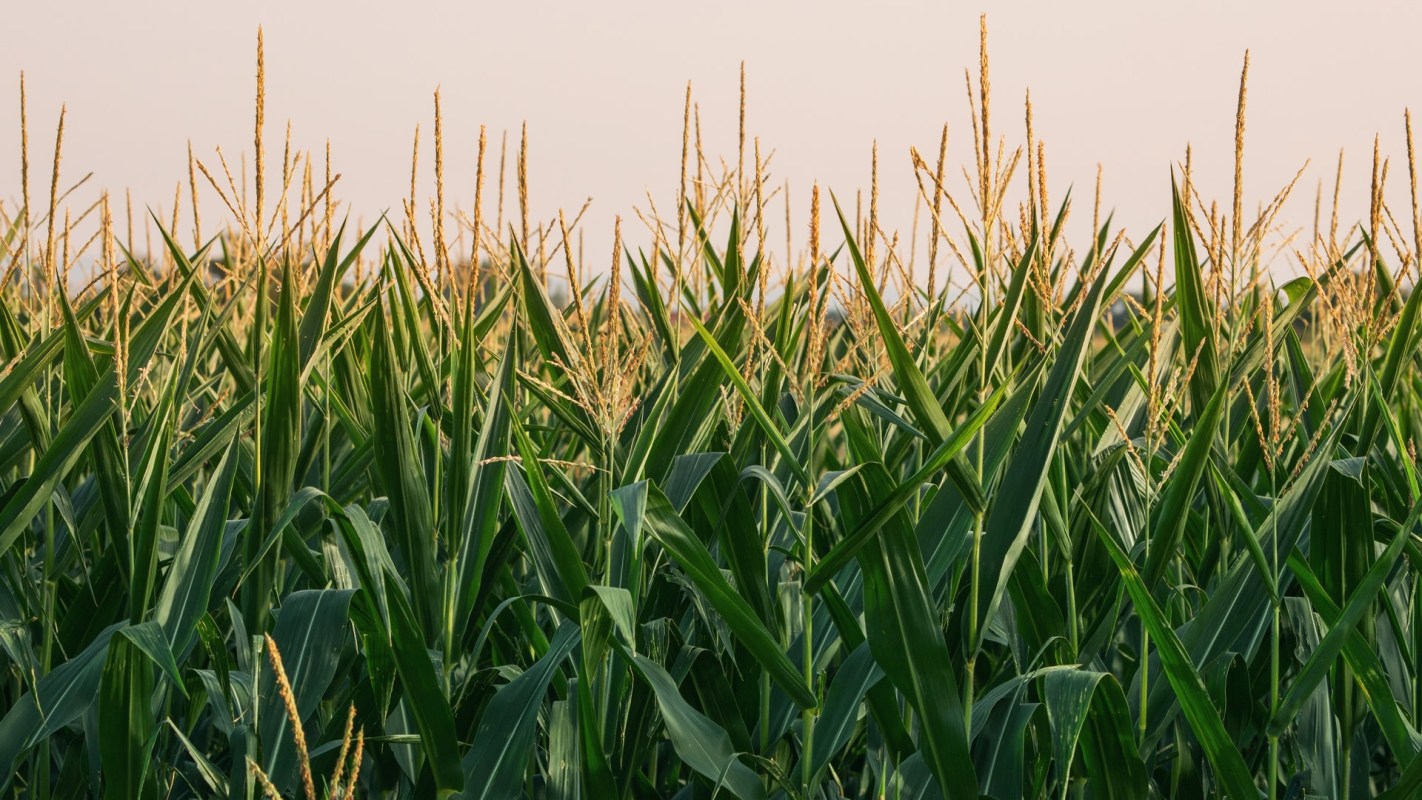
The new bioplastics are called polyhydroxyalkanoates and can be created using common agricultural materials like sugar, corn, and agricultural waste. These biomaterials are readily available in the U.S. in large quantities. Currently, most plastic is made using imported oils and gases, so using domestic materials would reduce plastic manufacturing costs and bolster the country's economy.
The assistant professor of agricultural and biological engineering at Purdue University, Karthik Sankaranarayanan, explained that polyhydroxyalkanoates maintain mechanical strength while being "infinitely recyclable."
While this technology is promising, it still requires some refinement before it can be widely adopted. Polyhydroxyalkanoates have been around for a while, but the bioplastics are too fragile at high temperatures. The research team plans to enhance their properties, enabling them to be used in a wide range of plastic products, including medical devices and product packaging.
According to the International Union for Conservation of Nature, more than 507 million tons of plastic are produced annually. Two 2022 reports from The Last Beach Cleanup and Beyond Plastics and the National Renewable Energy Laboratory found that only 5% of plastics are recycled. About 85% wind up in landfills, and 10% are incinerated. In both instances, they contribute to pollution and contaminate water, soil, and air.
Traditional plastic products also create microplastics, which are tiny particles that can harm ecosystems and damage human health. These end up in the oceans, air, drinking water, crop soil, and even human organs. Bioplastics could reduce microplastics, helping create a cleaner, cooler future for everyone.
Plus, since these domestically sourced materials could reduce the cost of making plastic products, many items would be cheaper for consumers. And mining for oil and gas, which worsens pollution, would be unnecessary. These experts collaborating could revolutionize the plastic industry.
Emily Leproust, CEO and co-founder of Twist Biosciences, was quoted by Interesting Engineering as saying, "Working with Purdue elucidates real-world applications of complex sequences, which allows Twist to further advance our ability to manufacture difficult and previously hard-to-make sequences at scale, turning what was once considered difficult into routine."
TCD Picks » Quince Spotlight
💡These best-sellers from Quince deliver affordable, sustainable luxury for all




|
Which of these factors would most effectively motivate you to recycle old clothes and electronics?
Click your choice to see results and speak your mind. |
 Giving me money back 💰
 The plan is for the Purdue team to develop algorithms that select the appropriate enzymes and then analyze reaction speeds and structures. University of California, Berkeley researchers investigate how to scale up the production of bioplastics, potentially preparing them for commercialization.
But all the involved partners are contributing to the promising enzyme process design and hope to see it implemented in real-world products soon.

Join our free newsletter for weekly updates on the latest innovations improving our lives and shaping our future, and don't miss this cool list of easy ways to help yourself while helping the planet.
Cool Picks





