


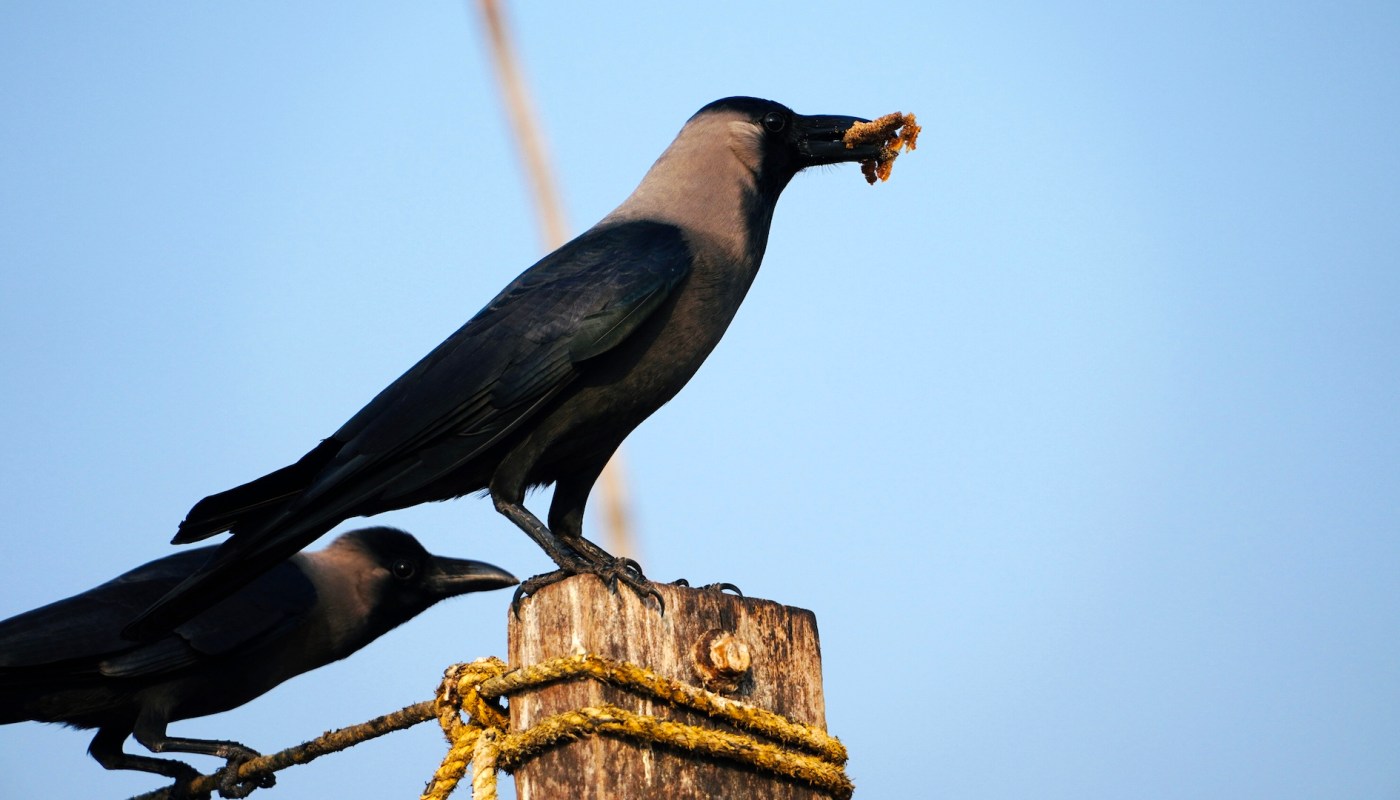
The confirmation of Indian house crows in Nairobi is drawing concern well beyond birdwatching circles, as experts warn that the highly adaptable invasive species could pressure native wildlife while creating new safety and nuisance issues in a rapidly growing urban area.
What's happening?
Streamline reported on their confirmed presence in Nairobi and warned about what could happen if the birds start establishing themselves in larger numbers.
Large cities can be especially susceptible to house crow expansion because the birds do well in human-dominated settings. Food waste, open bins, busy markets, and transport corridors give them easy access to resources that help them thrive.
Conservationists have long considered the species a problem because it can outcompete native birds, raid nests, and build populations quickly when conditions are favorable. In a city where wildlife, infrastructure, and dense neighborhoods overlap, even a relatively small invasive population can become a much bigger issue if it is not addressed early.
Why does it matter?
Urban biodiversity can be chipped away over time when an aggressive invasive bird gains a foothold. House crows are opportunistic feeders, so they may do more than scavenge scraps: they can prey on eggs and chicks, harass smaller birds, and compete for nesting and feeding space within an already fragile city ecosystem.
Airport areas face a separate concern when large scavenging birds gather nearby. Higher bird-strike risk can create a serious aviation safety problem, potentially disrupting flights, increasing operating costs, and adding pressure for workers and travelers.
TCD Picks » Quince Spotlight
💡These best-sellers from Quince deliver affordable, sustainable luxury for all




When invasive species take hold, cities often have to spend more money and effort managing problems that could have been contained earlier. Resources that might otherwise go toward public services, habitat protection, or waste improvements can instead be diverted to damage control.
What's being done?
The confirmation appears to have intensified calls for early intervention, which is typically the most effective and least costly stage of invasive-species management. Once a species such as the house crow spreads widely, removal becomes far more difficult.
Close monitoring, coordinated reporting, and a rapid response from wildlife officials, conservation experts, and agencies responsible for public safety and airport operations are all typical parts of that effort. A small, localized population is much easier to manage than one that has spread across an entire city.
Limiting access to food waste, securing trash, and avoiding the feeding of wild birds can reduce the conditions that allow invasive scavengers to thrive. Residents, business owners, and facility managers near busy transport areas can also report unusual sightings to local wildlife authorities, helping officials track where the birds are appearing.

Get TCD's free newsletters for easy tips, smart advice, and a chance to earn $5,000 toward home upgrades. To see more stories like this one, change your Google preferences here.






