


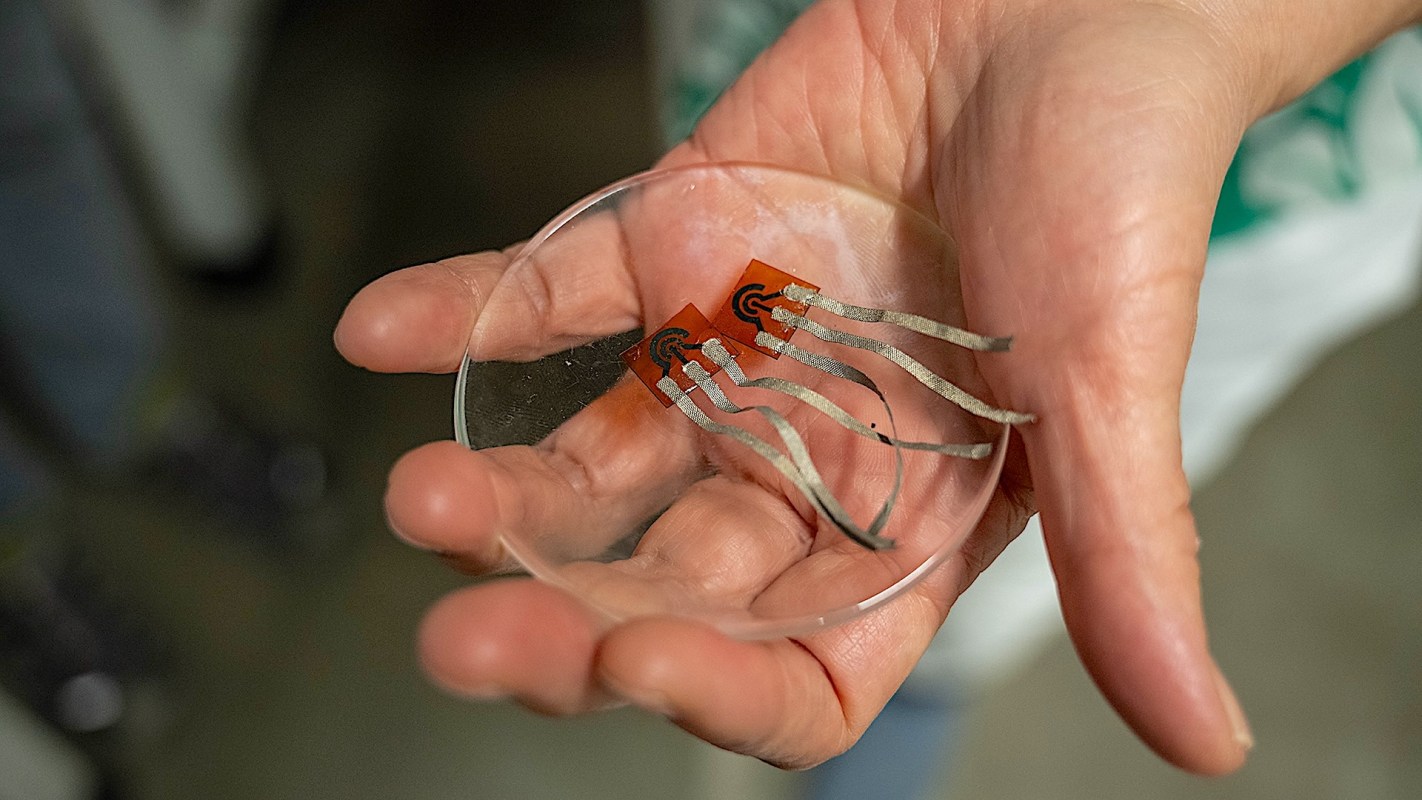
A research team from the University of Missouri recently developed a high-performance hydrogen gas sensor to ensure early detection and warning of potential hydrogen fuel leaks, addressing a major concern of the power source, according to a study published in ACS Sensors.
As a clean alternative energy source and the most abundant element in the universe, hydrogen is vital but poses potential risks such as explosions and environmental harm if not managed properly. Most hydrogen-detecting sensors on the market are expensive and lack the sensitivity needed to quickly detect small leaks.
Researchers in Mizzou's College of Engineering changed that by building a hydrogen sensor that is sensitive, selective for leaks, quick to detect, and efficient in size and cost. It is unmatched in performance and durability.
The sensor is about the size of a fingernail and is made by mixing tiny crystals of platinum and nickel with ionic liquids. The new technology has a limit of detection of 107.1 parts per million, a rapid response time of 17 seconds, and a recovery time of 21 seconds, with excellent selectivity and long-term stability, showing only 1.1% degradation over a 120-day test period.
Hydrogen fuel is one of the cleanest fuel sources, especially when powered by renewable energy such as solar. It's commonly used in the production of fuel cells, which provide continuous power with a reliable fuel supply. When used in a fuel cell, hydrogen's only byproduct is water vapor. Other energy sources — namely gas, coal, and oil — release planet-warming gases or compounds that lead to more extreme weather events and threats to human health.
"Hydrogen can be tricky to detect since you can't see it, smell it, or taste it," said Xiangqun Zeng, a MizzouForward hire who creates sensors to protect people and the environment. "In general, our goal is to create sensors that are smaller, more affordable, highly sensitive, and work continuously in real time."
The sensor is still being tested in the lab, and Zeng and her team hope to commercialize it by 2027 and continue sensor research with applications ranging from health care to environmental monitoring. The university is also prioritizing renewable energy advances through its new Energy Innovation Center, set to open in 2028.
"If we are going to develop sensors that can detect explosive gases, it needs to be done in real time so we can help people stay as safe as possible," Zeng said.
|
Should the government continue to give tax incentives for energy-efficient home upgrades? Click your choice to see results and speak your mind. |
 Absolutely 💯
Join our free newsletter for weekly updates on the latest innovations improving our lives and shaping our future, and don't miss this cool list of easy ways to help yourself while helping the planet.
Cool Picks





