


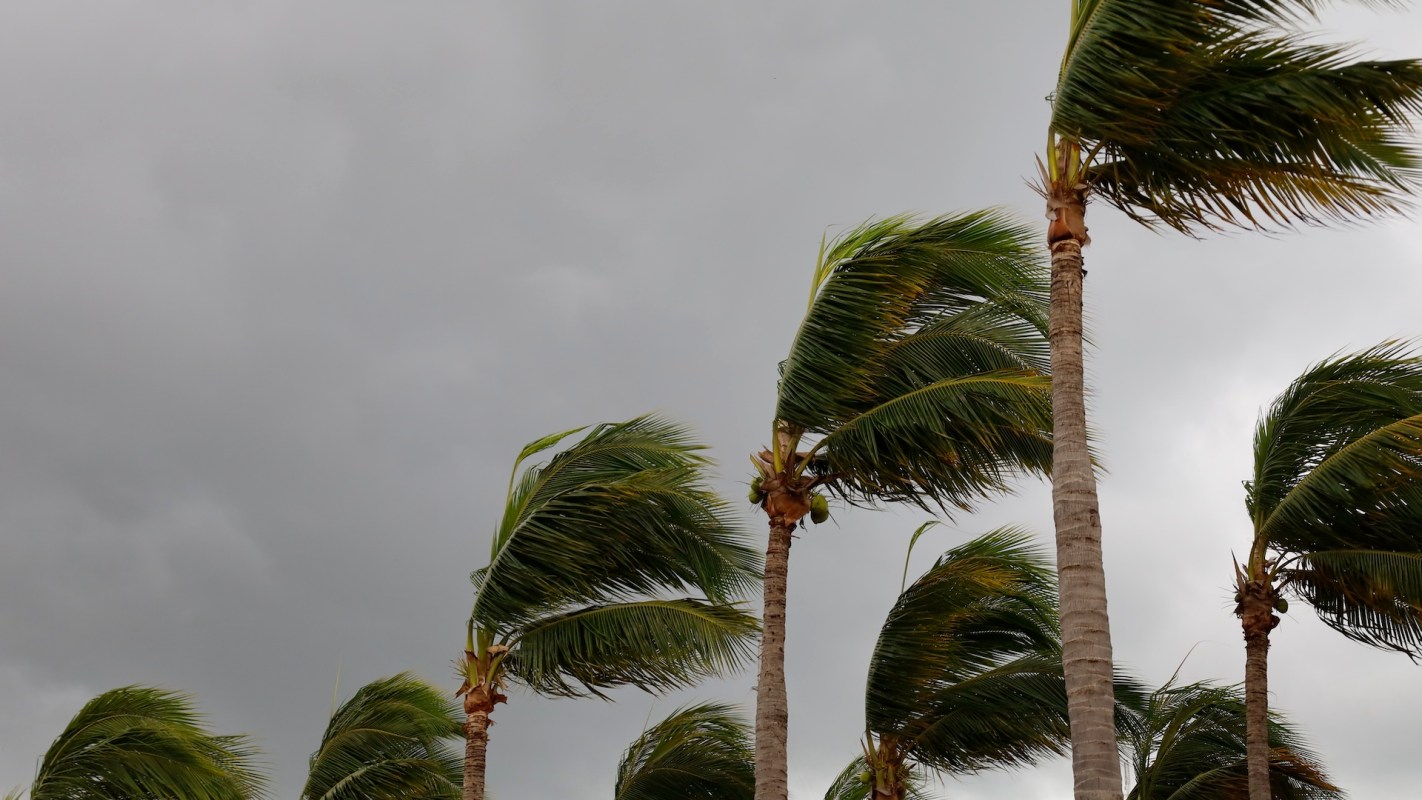
A quieter-than-usual Atlantic hurricane season may be on the way, but for people in storm-prone areas, that does not mean it is time to relax.
As KBTX reported, the National Oceanic and Atmospheric Administration released an initial forecast for the 2026 Atlantic hurricane season that pointed to below-normal activity overall.
What's happening?
The agency expects eight to 14 named storms, with three to six becoming hurricanes and one to three reaching major hurricane strength at Category 3 or above, KBTX noted.
All those numbers are at the lower end of an average season. NOAA predicts a 55% chance for a below-normal season, 35% for a near-normal season, and 10% for an above-normal season.
The forecast came less than two weeks before the official start of hurricane season on June 1.
Meteorologists have said the outlook is being shaped by competing forces. As KBTX detailed, El Niño could reduce Atlantic storm formation, while somewhat warmer ocean water and lighter trade winds may still favor development.
TCD Picks » Quince Spotlight
💡These best-sellers from Quince deliver affordable, sustainable luxury for all




"Although El Niño's impact in the Atlantic Basin can often suppress hurricane development, there is still uncertainty in how each season will unfold," NOAA official Ken Graham said, per KBTX.
The forecast is broadly in line with a previous outlook issued in April by Colorado State University. The 2025 Atlantic season saw 13 named storms and five hurricanes, including four major hurricanes.
Why does it matter?
These projections may sound somewhat reassuring. However, hurricane outlooks describe how active an entire season may be, and they do not predict where storms will go.
It only takes one storm — fueled by rising global temperatures — to make landfall in the wrong place to threaten lives, knock out power, damage homes, flood neighborhoods, and create expensive recovery efforts for families and communities.
Even inland areas can feel the effects. Heavy rain, tornadoes, and flooding from tropical systems often stretch far beyond the coast, disrupting travel, schools, jobs, and local infrastructure.
The forecast also comes at a time when emergency agencies are emphasizing faster communication and more accurate alerts. Better forecasting can help people act sooner, but only if they are paying attention and have a plan in place before a storm develops.
The clearest takeaway from NOAA's forecast is not to let the lower storm count create a false sense of security.
What can I do?
Residents in hurricane-prone regions can review their emergency plans and make sure supplies are ready.
That can mean checking evacuation routes, updating insurance and important documents, preparing backup power options, and putting together a kit with food, water, medications, flashlights, and batteries. Families may also want to think through how they would communicate if cell service were to go down.
NOAA is also preparing on its end. In announcing the forecast, Commerce Secretary Howard Lutnick said the agency is relying on advanced modeling and hurricane-tracking technology to provide real-time forecasts and warnings, per KBTX. That could make all the difference, even in a potential down year for hurricanes.
"It only takes one storm to make for a very bad season," Graham cautioned when speaking to the publication.

Get TCD's free newsletters for easy tips, smart advice, and a chance to earn $5,000 toward home upgrades. To see more stories like this one, change your Google preferences here.






