


A strong El Niño could create a sharply divided hurricane season in 2026, with calmer conditions expected in the Atlantic but a potentially much busier stretch in the eastern Pacific.
What's happening?
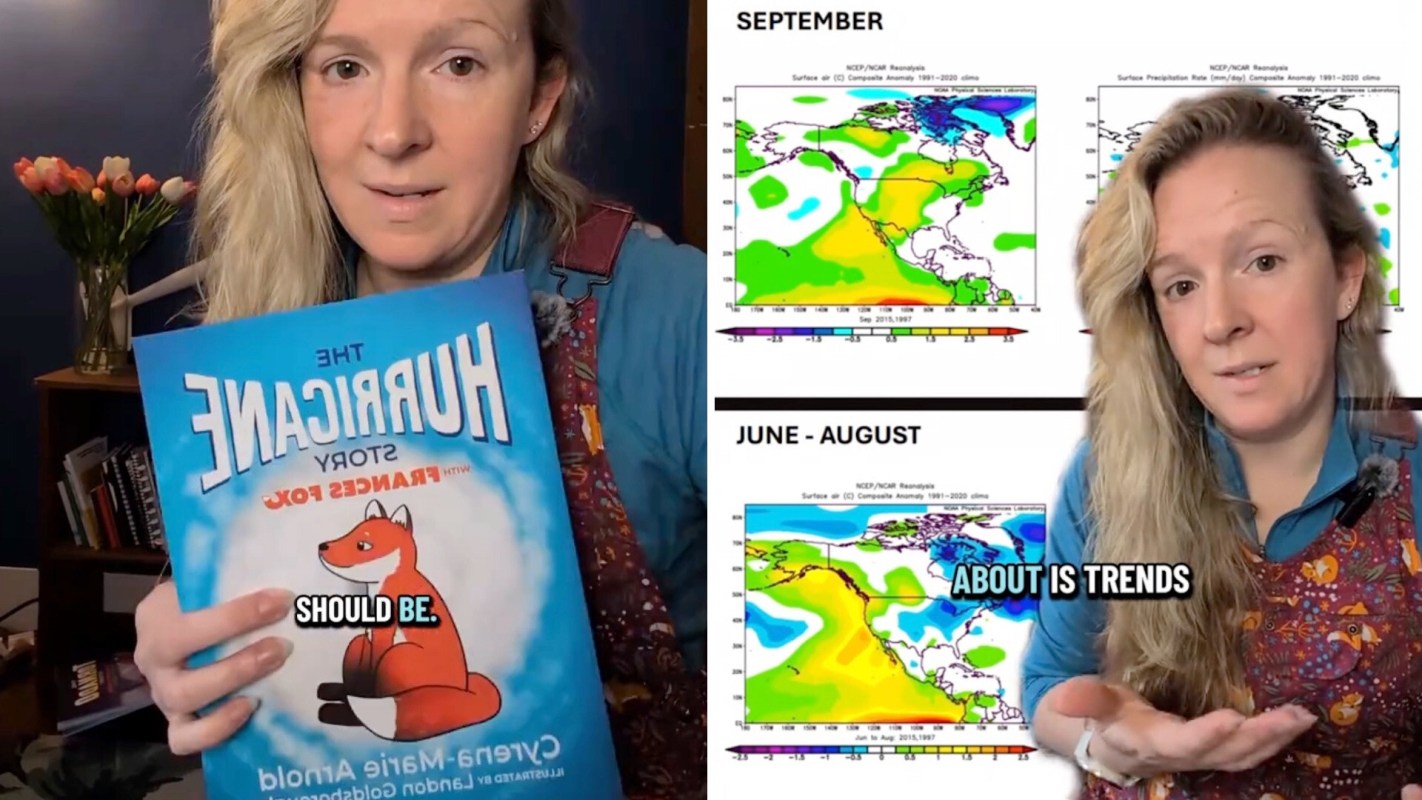
In a recent TikTok explainer, independent meteorologist Cyrena (@wxcyrena) broke down why the same climate pattern can push storm activity in opposite directions depending on the region.
@wxcyrena What kind of hurricane season will we have for the summer of 2026 with a strong el nino in place? #weather #elnino #didyouknow #enso #learnontiktok ♬ original sound - Meteorologist Cyrena
The main difference comes down to a combination of ocean temperatures and wind shear.
According to Cyrena, El Niño tends to increase wind shear over the Atlantic Ocean. Wind shear refers to changes in wind speed or direction at different heights in the atmosphere, and strong shear can disrupt tropical systems before they fully organize into hurricanes.
Warmer ocean conditions tied to El Niño can also shift atmospheric circulation patterns, creating less favorable conditions for Atlantic storm development overall.
That is why forecasters are currently expecting a below-average Atlantic hurricane season.
TCD Picks » Quince Spotlight
💡These best-sellers from Quince deliver affordable, sustainable luxury for all




The Pacific, however, often sees the reverse effect. There, warmer-than-normal waters can provide extra fuel for tropical systems, helping storms form more easily and intensify more quickly.
Cyrena pointed to 2015 as an example of what a particularly active Pacific season can look like. That year, the eastern Pacific recorded 26 named storms, including 16 hurricanes and 11 major hurricanes.
At the same time, the meteorologist emphasized that seasonal outlooks are based on probabilities, not guarantees.
A quieter Atlantic season does not mean the region is safe from damaging hurricanes. It only takes one storm making landfall to cause widespread destruction.
Likewise, short weather patterns can still produce periods of extreme heat, flooding rain, or drought that do not perfectly match the broader climate setup.
Why does it matter?
For people living along the Atlantic and Gulf coasts, the possibility of a weaker hurricane season could come as welcome news after years of costly and destructive storms.
Even a small reduction in storm activity can mean fewer evacuations, less strain on power grids, and lower risks for homes, businesses, and insurance systems.
But communities along the Pacific may face elevated concerns instead.
A more active Pacific hurricane season can increase risks for coastal Mexico, Hawaiʻi, and even parts of Southern California if storms track unusually far north or bring heavy rain, dangerous surf, and flooding.
The forecast also highlights how climate patterns rarely affect every region equally. One coastline may experience relative calm while another deals with heightened storm threats.
That uneven impact can make seasonal weather outlooks confusing for travelers and residents trying to plan vacations, protect property, or understand changing risks.
As Cyrena explained, forecasts like these rely on decades of climate research linking large-scale ocean patterns such as El Niño to real-world storm behavior.
What's being done?
Even with a quieter Atlantic outlook, experts stress that preparation remains essential.
Residents in hurricane-prone areas are still encouraged to review evacuation routes, restock emergency kits, check flood insurance coverage, and make sure weather alerts are turned on before peak season arrives.
People along Pacific coastlines or traveling to tropical destinations may also want to monitor forecasts closely throughout the summer and fall.
It is also helpful to think in terms of risk rather than certainty. El Niño can shift the odds, but it cannot predict the exact path or intensity of individual storms months in advance.
Following trusted meteorologists and local emergency officials can help people respond to changing conditions in real time instead of relying only on seasonal averages.
"Don't let your guard down … we still need to prepare," Cyrena said.

Get TCD's free newsletters for easy tips, smart advice, and a chance to earn $5,000 toward home upgrades. To see more stories like this one, change your Google preferences here.







