


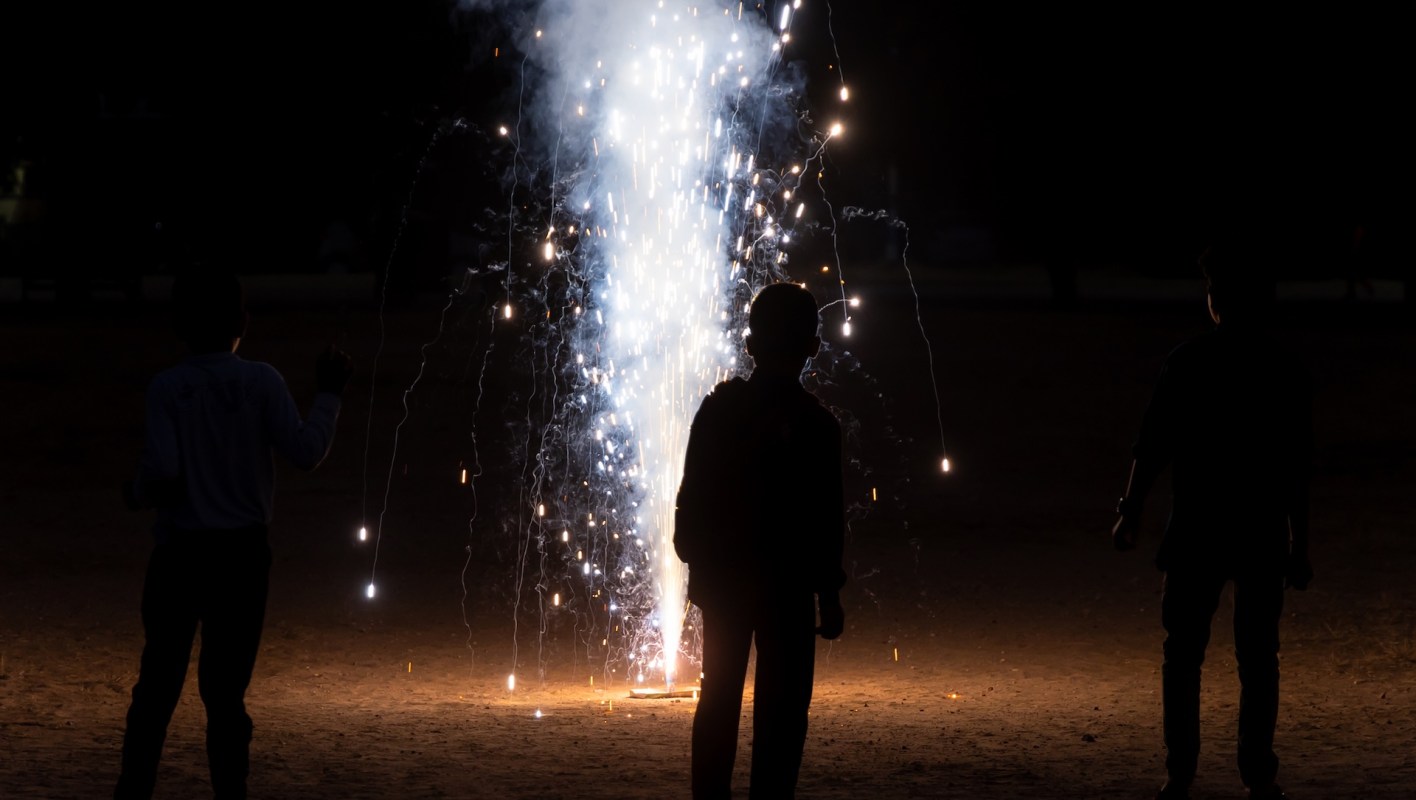
Summer hangouts often revolve around cookouts, days at the lake, long drives, and fireworks once the sun goes down. But as the HBO show "The Pitt" showcased in its recent Season 2, those familiar traditions also coincide with major surges in emergency care, with July 4 emerging as the busiest ER day in the United States.
What's happening?
Across six years of emergency-room records covering 15 major holidays, an injury law firm study found that the largest summer spikes come on Independence Day, Memorial Day, and Juneteenth, Consumer Affairs reported.
July 4 leads them all, averaging 45,340 ER visits — about 21% more than a normal day — and roughly 12.5% of those patients are admitted to the hospital. Fireworks are a major reason for that jump.
"July 4th is when we see the worst injuries," said a personal injury attorney with Good Guys Injury Law. "Most of the consultation requests are from firework accidents that often result in severe burns and sometimes even lost fingers."
Memorial Day is close behind, with nearly 45,000 ER visits, or about 20% above a typical Monday. Juneteenth follows with around 40,000 visits, roughly 7% higher than the daily average.
Why does it matter?
These holiday surges are driven less by rare events than by the usual ways people celebrate.
TCD Picks » Quince Spotlight
💡These best-sellers from Quince deliver affordable, sustainable luxury for all




Fireworks, grilling, swimming, boating, food prep, and heavy travel all appear in the injury data, turning routine plans into burns, cuts, crashes, and water emergencies.
The seriousness of the cases stands out, too: about one in eight Memorial Day patients and roughly 12% of Juneteenth patients are hospitalized, Consumer Affairs reported. Packing crowds, alcohol, open flames, water, and explosives into a short window can raise the stakes quickly.
What can I do?
Reducing the risk starts with the highest-hazard activities. Safety experts say large fireworks shows are best left to professionals, and people who use consumer fireworks should follow the instructions, keep water nearby, avoid relighting duds, and watch children closely.
Around the grill, keep it away from homes and other structures, clear off grease before cooking, keep children back, and never leave it unattended while lit; with heat and fuel involved, small errors can escalate fast.
On the water, wear life jackets, supervise children at all times, stay alert to local conditions, and skip alcohol while boating.
These steps cannot remove every danger, but they can lower the odds of a celebration ending in the ER.

Get TCD's free newsletters for easy tips, smart advice, and a chance to earn $5,000 toward home upgrades. To see more stories like this one, change your Google preferences here.






