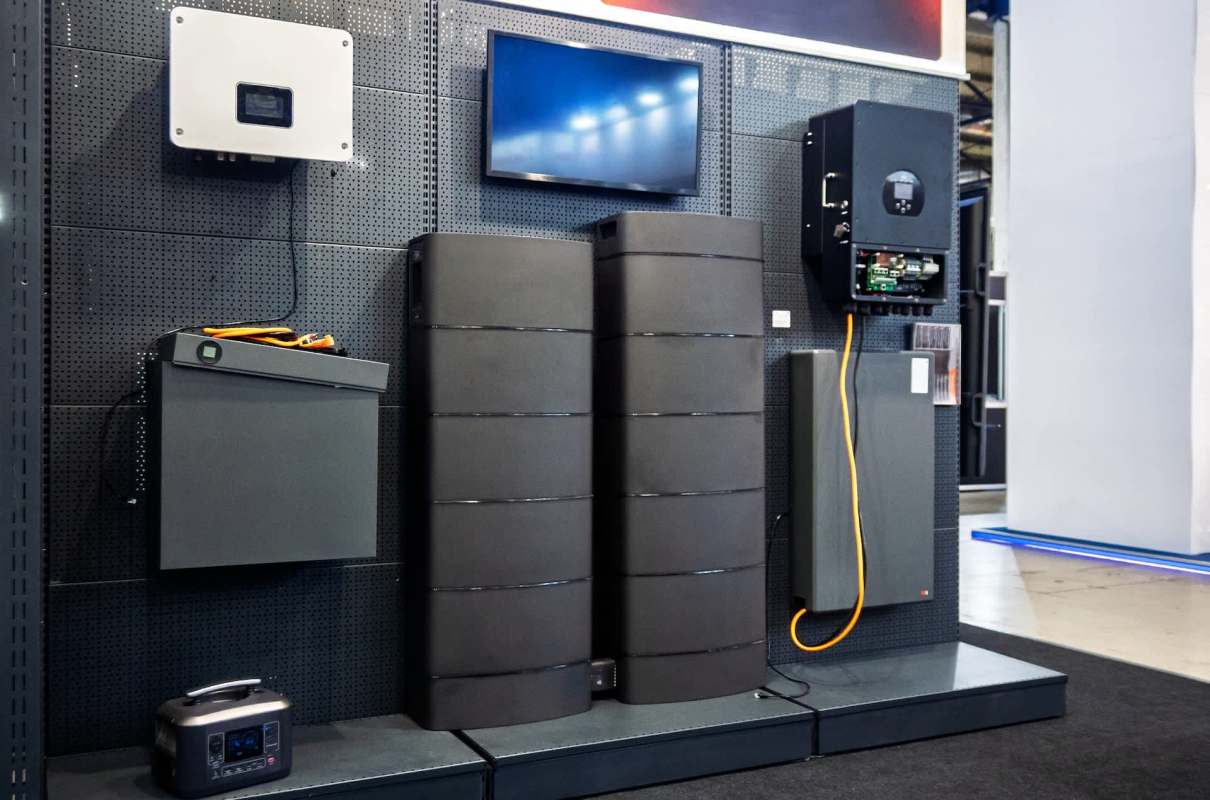
Reddit users weighing home batteries on the r/solar subreddit contrasted an optimistic news item coming out of Australia with practical limits. They pointed to a notable decline in gas generation, but said longer stretches of backup power are still a needed next step.
What happened?
The conversation began after a Reddit user posted a Guardian piece titled "The household battery revolution that could change energy bills and the world," prompting debate over how big a difference home batteries can make.
The discussion broadened into what batteries already do well and where they still fall short.
"The 24% gas generation drop is real. Batteries beat peakers on cost," they wrote. "But 'blown out of the water' oversells it. These are mostly 2-hour residential systems. They handle evening ramps. Multi-day still needs firm capacity."
That being said, battery storage can be one of the most effective ways to protect a home during outages. It can also help lower energy costs and make off-grid living more feasible when paired with rooftop solar.
Why does it matter?
The appeal of home batteries is straightforward: They can store electricity when it is abundant and less expensive and then send that power back into a home or the grid as demand rises in the evening.
That can reduce strain on utilities, lower reliance on costly gas peaker plants, and help families get through blackouts or severe weather with less disruption.
A reported 24% drop in gas generation suggests batteries are helping displace gas during key parts of the day. That could mean less pollution, more stable energy costs, and a grid that wastes less money ramping up fossil fuel plants for brief spikes in demand.
Save $10,000 on solar panels without even sharing your phone number Want to go solar but not sure who to trust? EnergySage has your back with free and transparent quotes from fully vetted providers in your area. To get started, just answer a few questions about your home — no phone number required. Within a day or two, EnergySage will email you the best options for your needs, and their expert advisers can help you compare quotes and pick a winner. Solar panels can save you more than $50k over their 25-year lifespan, and EnergySage can help you save as much as $10k on installation. Which begs the question — isn't that worth an email or two? |

Commenters also stressed that the systems most people have today are built to cover shorter outages and evening demand shifts, not to bridge emergencies that last a week or to manage seasonal imbalances. In that sense, home batteries look both promising and incomplete.
What are people saying?
A lot of people touted how batteries had changed the game for them.
One user said they had a 48-kilowatt-hour battery and it had changed their "electricity profile entirely" by cutting monthly bills from $400-500 to a mere $30-40. That was with everything factored in, including selling back to the grid.
"I am convinced that batteries will become as standard as hot water tanks in the coming years," they wrote. "I would like to upgrade to 100+ kWh at some point in the next 5 years."
Another commenter zeroed in on the current limitation of batteries.
"Multi-day storage is the real bottleneck though — seasonal swings need weeks of capacity, not hours, which is why we're still stuck needing nuclear or gas backups for winter," the poster declared.

Get TCD's free newsletters for easy tips, smart advice, and a chance to earn $5,000 toward home upgrades. To see more stories like this one, change your Google preferences here.