


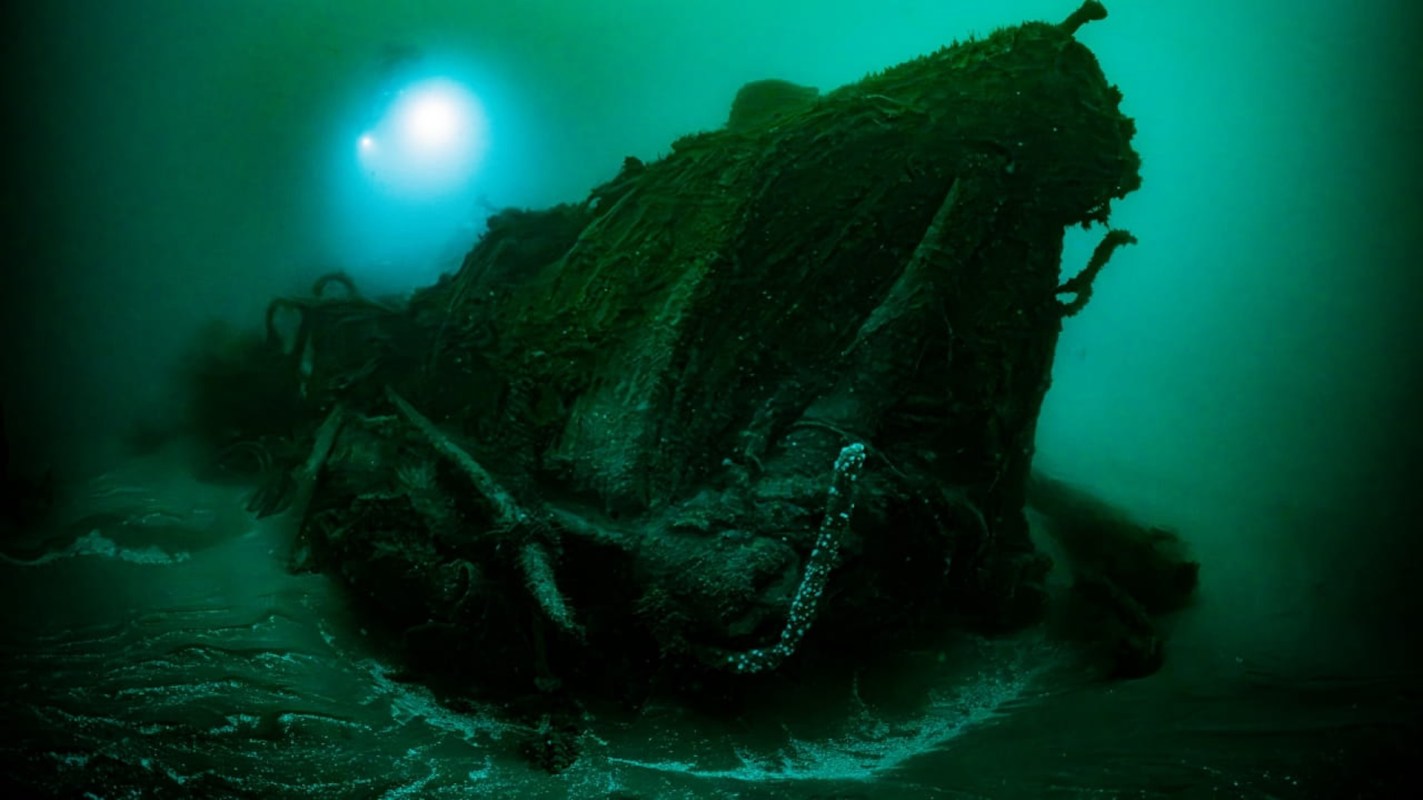
Off the Isle of Wight, researchers have finally identified the remains of HMS Tiger, the Royal Navy vessel lost in the English Channel in 1908.
Its recovery closes a search that lasted 118 years as the UK government seeks tighter legal protections for military wrecks.
What happened?
Archaeology News Online Magazine says the breakthrough came after five years of archival research, using historical records to reconstruct the ship's last known course.
A Royal Navy exercise in the English Channel sent HMS Tiger to the bottom in 1908, after it crossed into another vessel's path and was struck; the collision split the ship in two before it went under.
Of the 57 people aboard, more than half were killed, and fewer than 30 survived. Despite repeated searches over the decades, divers were unable to find the warship.
With HMS Tiger identified, ProjectXplore has added another notable Royal Navy wreck to its record after locating HMS Nottingham, a Royal Navy cruiser in the North Sea, in 2025.
TCD Picks » Quince Spotlight
💡These best-sellers from Quince deliver affordable, sustainable luxury for all




Why does it matter?
The discovery solves a long-standing maritime mystery.
Military wrecks such as HMS Tiger are also gravesites. They hold personal artifacts and historical evidence tied to the people who died there.
Disturbing these sites can damage fragile remains, erase pieces of history, and remove objects that help researchers understand what took place. Leaving wrecks undisturbed can preserve both the historical record and a place of remembrance for families, historians, and the public.
The UK government is considering whether to expand legal protections for military wrecks. Existing law already covers dozens of sites under the Protection of Military Remains Act, but only for vessels lost in roughly the past 200 years.
Proposed changes would broaden protection to much older wrecks, reaching back to the Spanish Armada and also covering certain merchant vessels lost while on military service under Admiralty orders.
What's being done?
Through the Armed Forces Bill, the government is seeking to put those changes in place. Under the proposal, a newly discovered military wreck would gain protection immediately through a protected place designation.
Removing items from a protected wreck, or otherwise disturbing it, would be an offense without permission. Divers could still visit these underwater sites, however, as long as they follow a "look but don't touch" policy.
ProjectXplore has supported stronger safeguards, arguing that they would better protect the ship's legacy and the sailors connected to it. The Navy has also emphasized the importance of keeping these sites intact while still allowing people to view them responsibly.

Get TCD's free newsletters for easy tips, smart advice, and a chance to earn $5,000 toward home upgrades. To see more stories like this one, change your Google preferences here.







