


Two endangered Hawaiian insects are offering conservationists an unexpected reason for hope after appearing in places where they were long believed to have vanished.
The discoveries suggest some native species may still be quietly surviving in overlooked habitats.
What happened?
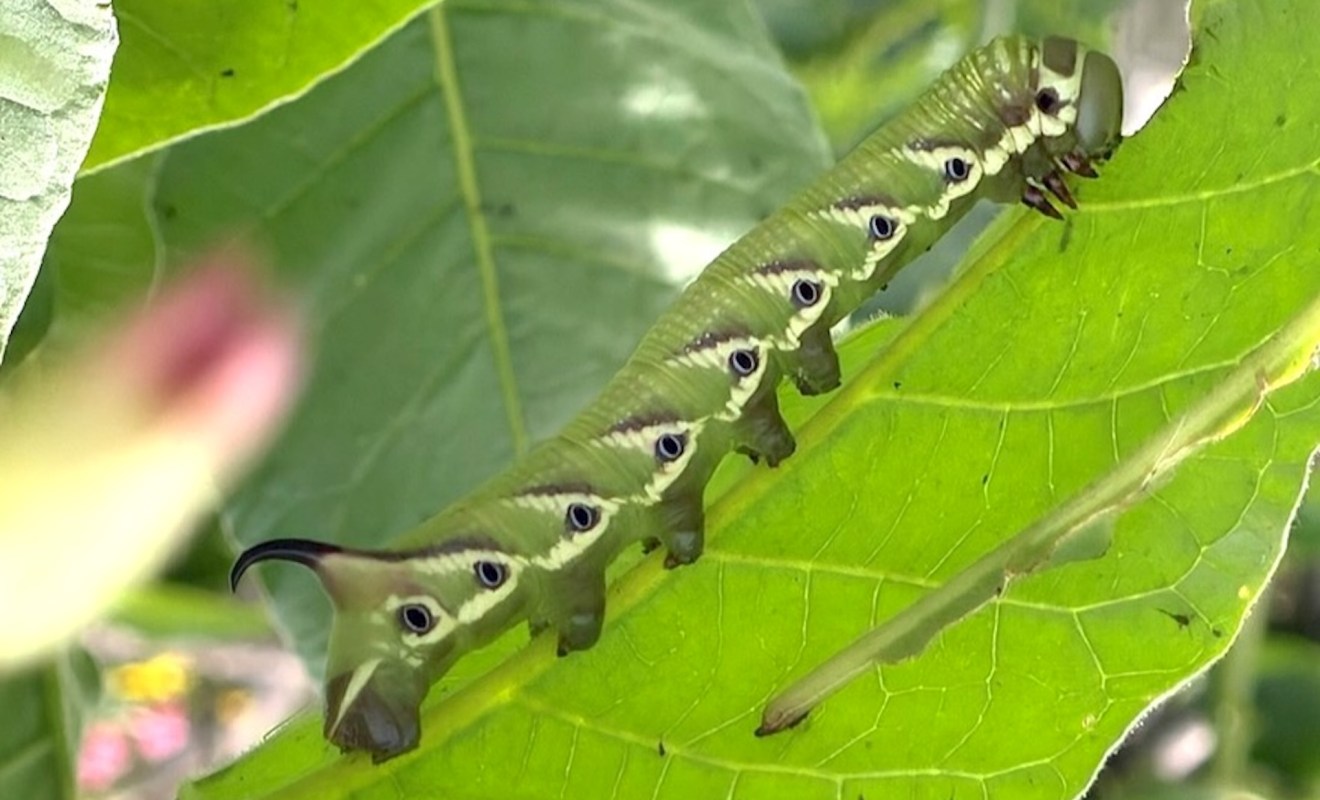
State biologists have documented both insects again on islands where each had been treated as locally extinct. The Hawaiʻi Department of Land and Natural Resources said in a news release that Division of Forestry and Wildlife staff confirmed populations of the endangered Blackburn's sphinx moth and the pinapinao, or Hawaiian damselfly.
For the Blackburn's sphinx moth, the records came from both Lānaʻi and Molokaʻi. In Lānaʻi City, staff counted 10 caterpillars in May 2026, adding to earlier finds of 22 caterpillars in 2009 and one in 2025.
Molokaʻi also produced confirmed Blackburn's sphinx moth caterpillars in Hālawa Valley and Kalaupapa, ending a gap that stretched back to the 1940s, when the species was thought to have vanished from the island.
Another surprise involved the pinapinao. While taking part in routine training at Waiākea Forest Reserve in October 2025, a DOFAW employee caught and photographed a male, providing Hawaiʻi Island's first confirmed record of the species since 1923.
TCD Picks » Quince Spotlight
💡These best-sellers from Quince deliver affordable, sustainable luxury for all




DOFAW entomologist Janis Matsunaga described how unusual the find was.
"Populations of these insects often quietly blink out, island-by-island, until they become extinct," Matsunaga said. "Rediscovery of these species is unexpected and encouraging."
Why does it matter?
Hawaiʻi's native insects are under pressure from predators, non-native species, and habitat loss. Finding these species again suggests recovery may still be possible if surviving populations and the places they use are protected.
When rare species are found to be surviving, it can also help point land managers toward habitats that may deserve closer protection.
The damselfly finding also suggests endangered species can persist in unexpected places. In this case, it turned up in a eucalyptus plantation.
That kind of surprise could shape future searches and conservation planning, potentially opening the door to more discoveries.
What's being done?
These confirmations give conservation teams better information about where species still survive and where protections may need to be strengthened.
The state is also asking residents to help. People can report new sightings of native invertebrates to a DOFAW office.
Brendan Wang, the DOFAW employee who found the pinapinao, said the discovery shows the value of continued searching.
"Since there are native plants in the understory, these damselflies have been able to persist," Wang said. "We encourage everyone to learn about native invertebrates and to report sightings of rare species to aid in conservation management."

Get TCD's free newsletters for easy tips, smart advice, and a chance to earn $5,000 toward home upgrades. To see more stories like this one, change your Google preferences here.






