


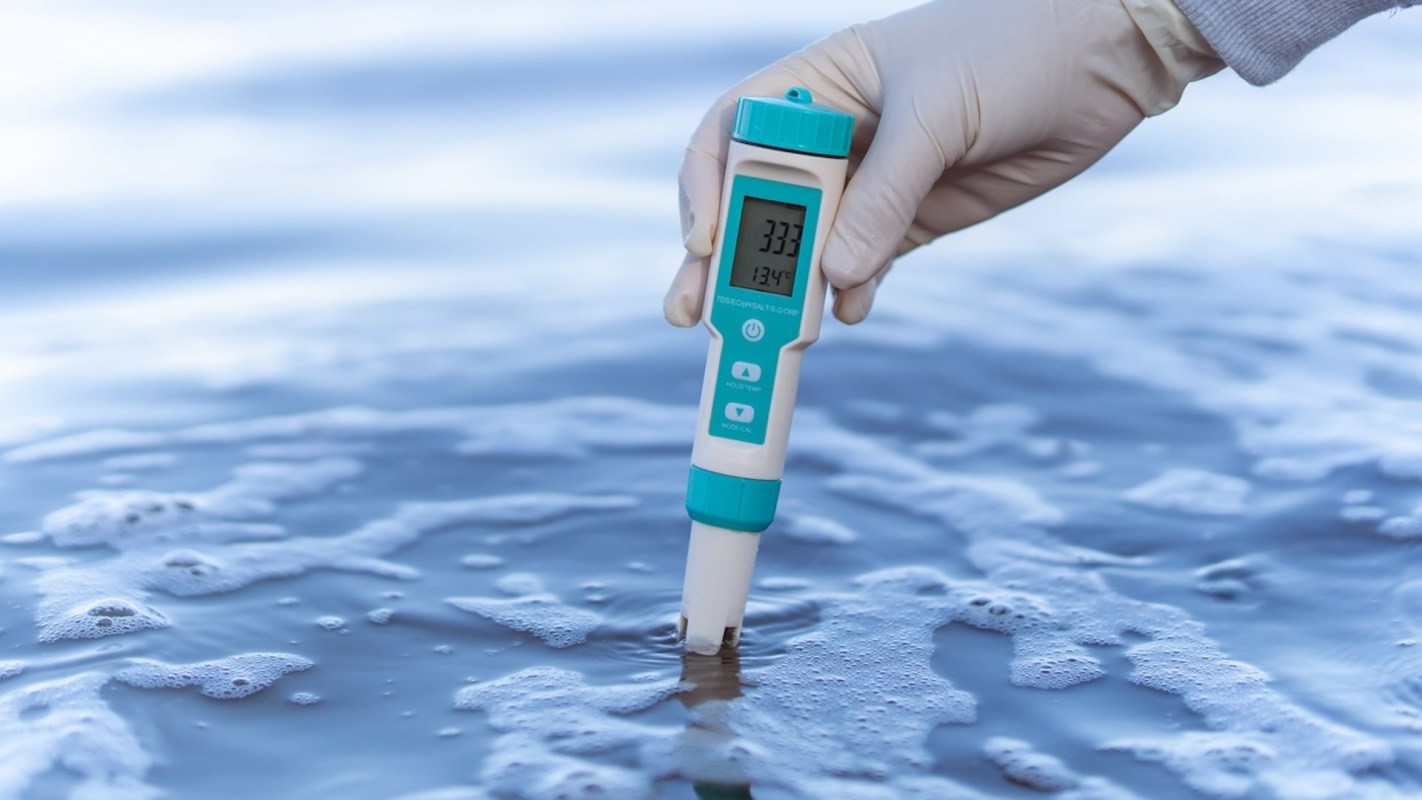
A drinking-water well in Yigo, Guam, stayed in service even after officials found dangerous pesticide contamination that affected more than 1,200 residents.
Here's what to know
As Prism reported, Y-15 sits above the aquifer that supplies about 80% of Guam's drinking water and near Upi Elementary School, where around 400 children attend classes.
In September 2025, officials told Yigo residents not to drink from the well after tests found 1.76 micrograms per liter of dieldrin — a pesticide banned in 1987. This level exceeded Guam Environmental Protection Agency's acceptable cancer risk threshold by more than eightfold.
Officials could not respond to Y-15 the way they did two other Guam wells with elevated dieldrin levels by simply shutting it off. Instead, families were told not to drink the water while still using it for cooking, bathing, and brushing their teeth.
Homeowner and former Guam attorney general Leevin Camacho said the exposure may have been happening for years.
"While we were there feeding our kids, doing a lot of stuff, there was pesticide in the water," he told Prism.
TCD Picks » Quince Spotlight
💡These best-sellers from Quince deliver affordable, sustainable luxury for all




The EPA says dieldrin can build up in the body, so even low-level exposure over time can be concerning. Prism reported that the agency also classifies the pesticide as a probable human carcinogen.
More background
Dieldrin had been detected in Guam groundwater as early as 2012, but no federal drinking water rule covered it, so utilities were not required to alert the public at that time, according to Prism.
Guam EPA approved Interim Action Levels in 2024, and that standard took effect on Aug. 1, 2025. Guam Waterworks Authority was notified on July 30 that samples from Y-15 were well above the threshold, but the public advisory was not issued until more than a month later.
Yigo Mayor Frances Lizama said residents immediately began asking questions about the health risks and whether their water was safe.
"A lot of the calls were about health, about when we are going to get our safe drinking water — questions that we couldn't answer," Lizama said, per Prism.
The well was treated, and Guam EPA lifted the do-not-drink advisory in November after dieldrin was no longer detected. Still, officials said in December that 33 of Guam's 120 wells had detectable levels of dieldrin, though those levels remained below current limits.
What's being done?
Guam officials used granular activated carbon filtration to treat water from Y-15 — a process designed to trap contaminants as water moves through porous carbon tanks. That helped restore service, but it did not answer the question of where the pesticide originated.
Camacho's law firm helped file around 800 claims seeking $167.5 million in damages from Guam Waterworks Authority and Guam EPA over the contamination. If those claims are rejected or not answered within the required period, a lawsuit could follow.
Guam EPA told senators in January that Andersen Air Force Base may be a source, though the contamination has not been definitively traced, Prism reported. Joint Region Marianas spokesperson Kristina Wiedemann said the military is "committed to a thorough, science-based investigation into the source of dieldrin contamination."
For many people on Guam, the fight is inseparable from health and sovereignty. Community leader Victoria Leon Guerrero said, "We only learn about it after the fact, when it becomes a crisis. And even in those instances, there's no apology, no accountability," per Prism.

Get TCD's free newsletters for easy tips, smart advice, and a chance to earn $5,000 toward home upgrades. To see more stories like this one, change your Google preferences here.






