


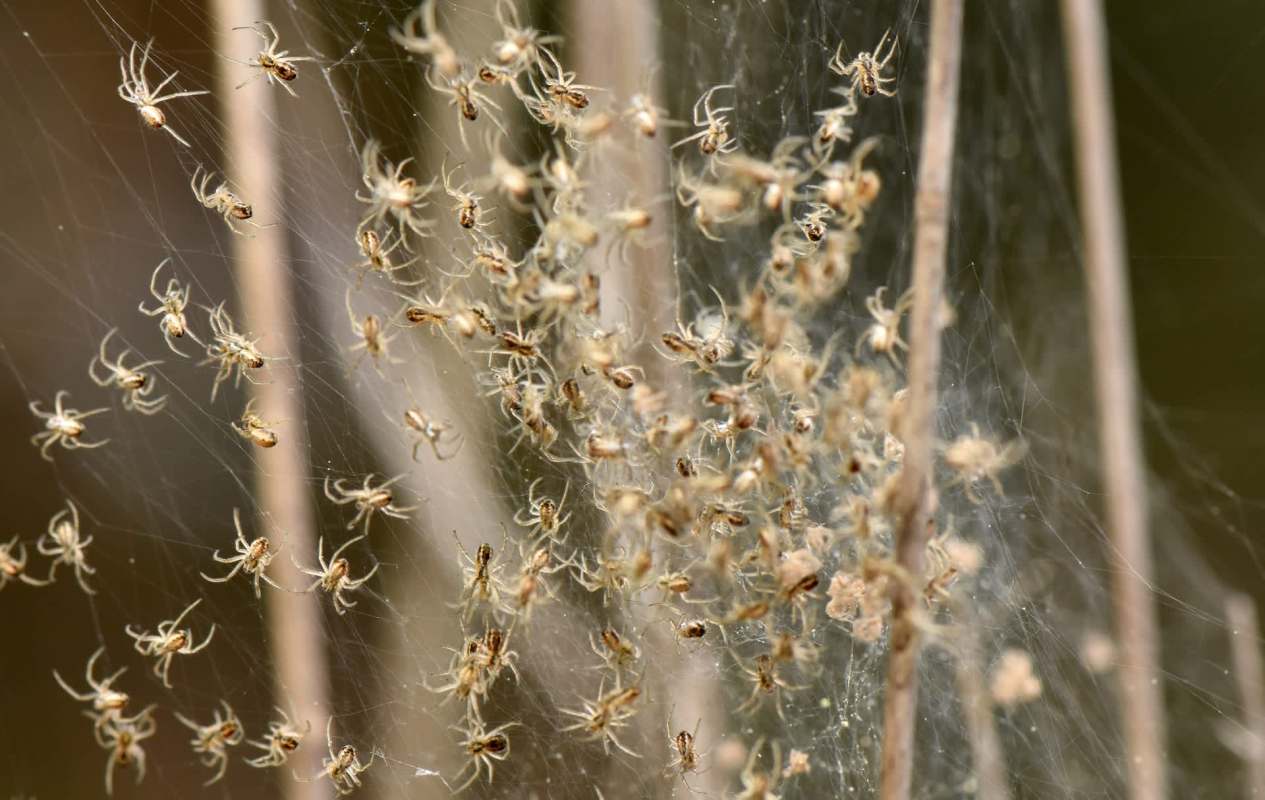
Behind Guam's picture-perfect scenery, the island has undergone a dramatic ecological shake-up. Invasive brown tree snakes have erased most native forest birds from the island, causing spider populations to surge in the aftermath.
Here's what to know
New findings in Science Advances, highlighted by IFLScience, offer clues as to why Guam's brown tree snake invasion was so impactful.
The researchers report that the snakes may carry much more overlooked genetic variation than expected for a population descended from a relatively small number of founders.
Although brown tree snakes were accidentally brought to Guam, scientists say a population that began that way would often be expected to experience a genetic bottleneck, with greater risks of inbreeding and harmful mutations. Instead, they found thousands of "genomic structural variants" that may have helped the reptiles adjust and flourish.
The snakes reached densities of up to 30,000 per square mile and devastated rats, shrews, bats, lizards, and especially birds.
Local bird populations were put at severe risk — only two of the 14 terrestrial bird species that once lived in Guam's forests have avoided extinction.
TCD Picks » Quince Spotlight
💡These best-sellers from Quince deliver affordable, sustainable luxury for all




Those bird losses also altered the island's ecology in interesting ways. As avian predators disappeared, spider numbers ballooned, and researchers estimate Guam may have as many as 733 million spiders.
More background
Guam's bird collapse is a stark example of how an invasive species can destabilize an ecosystem while also making life harder for the people who live there. The Guam flycatcher, a species found only on the island, was last recorded in 1983.
Attempts to protect nesting birds also ran into trouble. Despite attempts to create safe nest boxes for birds, researchers found that the snakes were still able to get into them by "lassoing" themselves, a movement they had not previously observed. That ability has made the species harder to control.
This invasive species didn't just hurt wildlife – it also hurt systems people depend on. Guam residents saw daily life disrupted by the sudden arrival of a venomous snake, and household pets were affected as well. The snakes also climb electricity poles, helping cause as many as 200 blackouts a year.
Research has estimated that those outages cost Guam's economy up to $4.5 million annually during 1991-1997.
What's being done?
The study does not say Guam's snake crisis is over, but it may change how scientists think about both invasive species and animals at risk of extinction. By uncovering hidden genetic diversity, researchers may gain a better sense of why some small populations collapse while others prove unexpectedly adaptable.
Levi Gray, a postdoctoral researcher at the University at Buffalo and co-author of the paper, said older tools failed to capture these differences: "It's like looking at portions of two books letter by letter with a magnifying glass and thinking they're the same, but not realizing entire paragraphs have been moved around or duplicated."
The findings may matter for conservation programs aimed at species with very small populations, too. The California condor's population dropped to 20 birds before breeding efforts raised it to more than 600 across captivity and the wild.
As Christopher Osborne, first author of the paper at State University of New York Oswego, put it: "It's possible that endangered species may have more flexibility in their genes than we realize. We're now getting a better understanding of unappreciated sources of genetic diversity that may explain how some inbred species can still respond to their environment."

Get TCD's free newsletters for easy tips, smart advice, and a chance to earn $5,000 toward home upgrades. To see more stories like this one, change your Google preferences here.






