


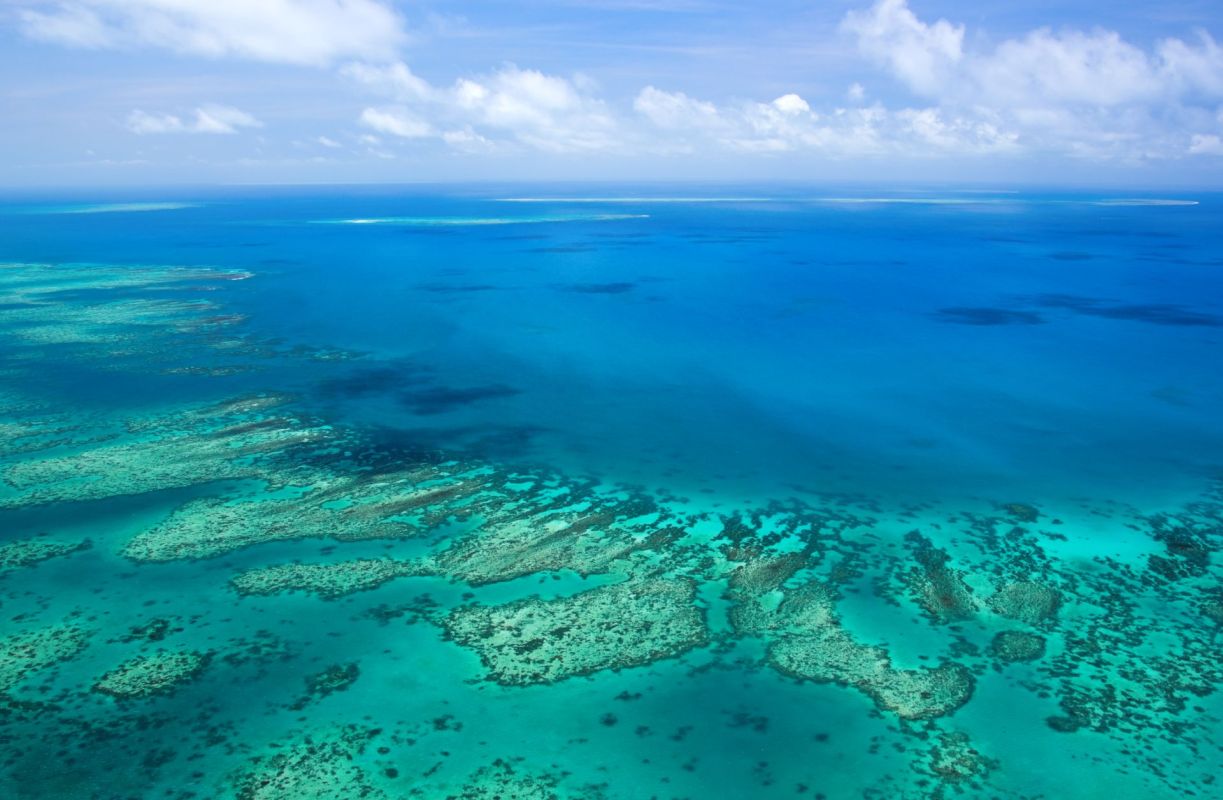
The Great Barrier Reef is often described as a victim of modern climate stress, but new research suggests its story is even more complex. Scientists say the world's largest coral reef system passed through five periods of formation, drowning, and renewed growth over roughly 30,000 years.
What happened?
From the last ice age to the present, the new review traces how the Great Barrier Reef responded to major environmental upheaval. It was produced by an international team that included scientists from the University of Sydney and published in Marine Geology, according to a University of Sydney report shared by Phys.org.
Fossil reef cores recovered from the outer Great Barrier Reef in 2010 during the landmark Integrated Ocean Drilling Program Expedition 325 underpin the paper, which brings together nearly 20 years of related research. Those records show that the reef system did not remain stable, instead going through repeated pullbacks, renewed growth, collapse, and reorganization as sea level changed.
Lead author Professor Jody Webster told the University of Sydney, "Expedition 325 confirmed that the Great Barrier Reef shelf-edge system is highly dynamic, but it also showed that sea level change was only part of the story."
Across the last 30,000 years, the researchers distinguished five separate reef stages. They also found that sea-surface temperatures during the Last Glacial Maximum were a few degrees below current levels.
Why does it matter?
The Great Barrier Reef supports marine life, tourism jobs, and coastal communities. Researchers emphasized that today's climate disruption differs in speed.
TCD Picks » Quince Spotlight
💡These best-sellers from Quince deliver affordable, sustainable luxury for all




Webster said reefs in the past were dealing with "multiple environmental pressures at once — sea-level rise, warming waters, shelf flooding, changes in water quality." That combination is especially relevant today, as coral ecosystems are already under pressure from marine heat waves, pollution, and ocean changes driven by human activity.
For communities that rely on reef tourism, damaged fisheries, weaker coastal protection, and economic strain can follow. Coral ecosystems help sustain biodiversity and regional livelihoods.
The research showed how quickly conditions can change.
What are people saying?
Webster cautioned against treating the ancient record as a direct forecast. "While we can't use the past period to directly predict how the reef will respond to current climate change, it does give us an understanding of the dynamic nature of that response," he said, according to the article shared on Phys.org.
He also drew the clearest distinction between the past and present. "The major difference with anthropogenic climate change is it is expected to be much faster than previous changes that the reef has lived through."
Past reef transformations unfolded over time, but the human-driven changes now affecting the system may be occurring on a much faster timeline.

Get TCD's free newsletters for easy tips, smart advice, and a chance to earn $5,000 toward home upgrades. To see more stories like this one, change your Google preferences here.






