


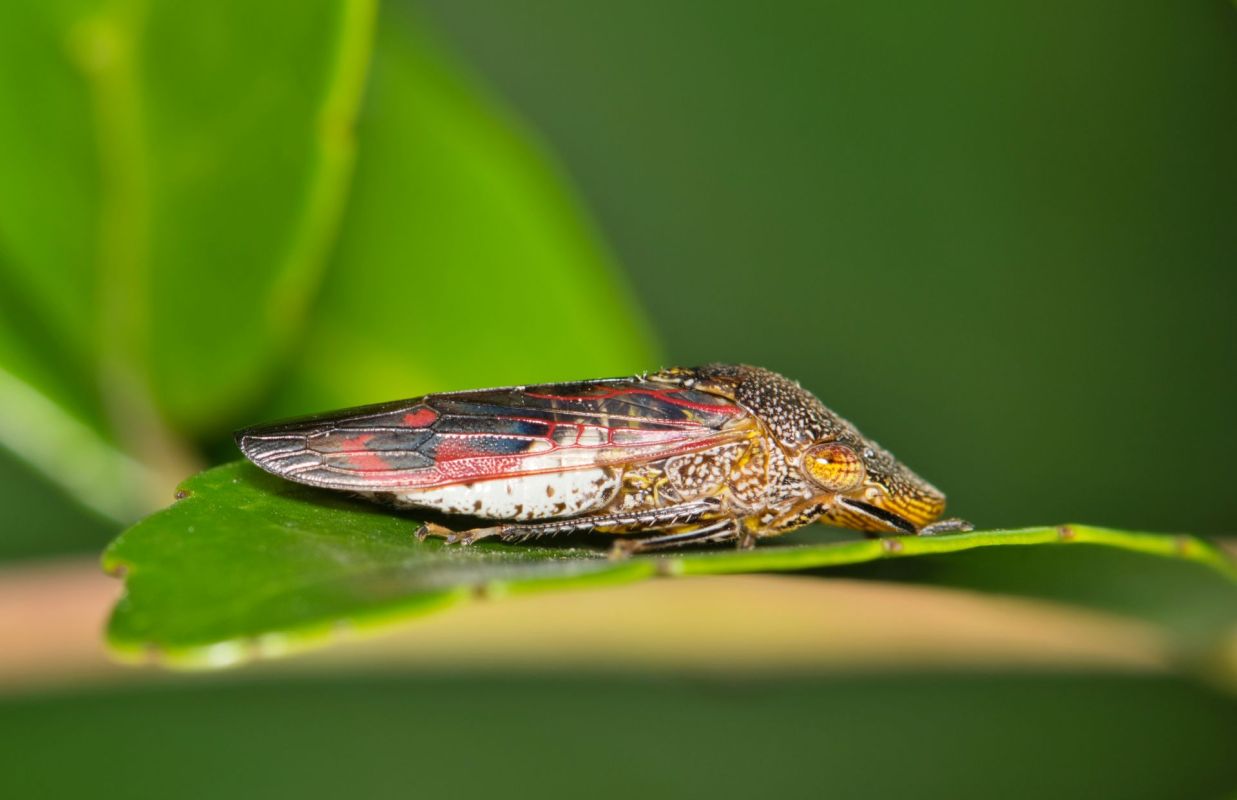
A backyard gardening purchase is prompting a consumer alert in Marin County, California, after grapevines sold to the public were found with an invasive pest that can severely damage plants.
Authorities say customers should not put the vines out with regular trash, because careless disposal could allow the pest to spread further.
What's happening?
An alert has been issued by agricultural officials in California after retail grapevine sales were connected to an invasive pest that puts grape plants at risk, the Marin Independent Journal reported.
If contaminated plants are casually moved from backyards to bins, transfer stations, or curbside pickup routes, the pest could spread beyond the original point of sale into home gardens, landscaped areas, and commercial agriculture.
It is also a biosecurity issue in places where grapes are not only an agricultural commodity but also an important part of local identity and economic life.
Why does it matter?
What starts as a backyard planting issue can quickly become a regional vineyard problem if it is not contained early.
TCD Picks » Quince Spotlight
💡These best-sellers from Quince deliver affordable, sustainable luxury for all




Moreover, the grape industry supports jobs, tourism, and local economies, and even relatively small outbreaks of destructive pests can create costly ripple effects.
Commercial growers may be forced to absorb added inspection costs, treatment expenses, or crop losses, while home gardeners can lose plants they expected to enjoy for years.
There is also a broader environmental concern. Invasive pests often lead to heavier pesticide use, more plant destruction, and stricter quarantines — all of which can slow progress toward healthier, more resilient communities.
What's being done?
The immediate priority is containment.
For now, state and local agricultural authorities want affected grapevines kept out of normal waste disposal. Buyers are being directed to follow official handling instructions so the plants can be disposed of in a way that reduces the chance of the pest escaping and spreading.
Monitoring and rapid response are also critical. Detecting an invasive species early can make the difference between a manageable incident and a costly infestation.

Get TCD's free newsletters for easy tips, smart advice, and a chance to earn $5,000 toward home upgrades. To see more stories like this one, change your Google preferences here.






