


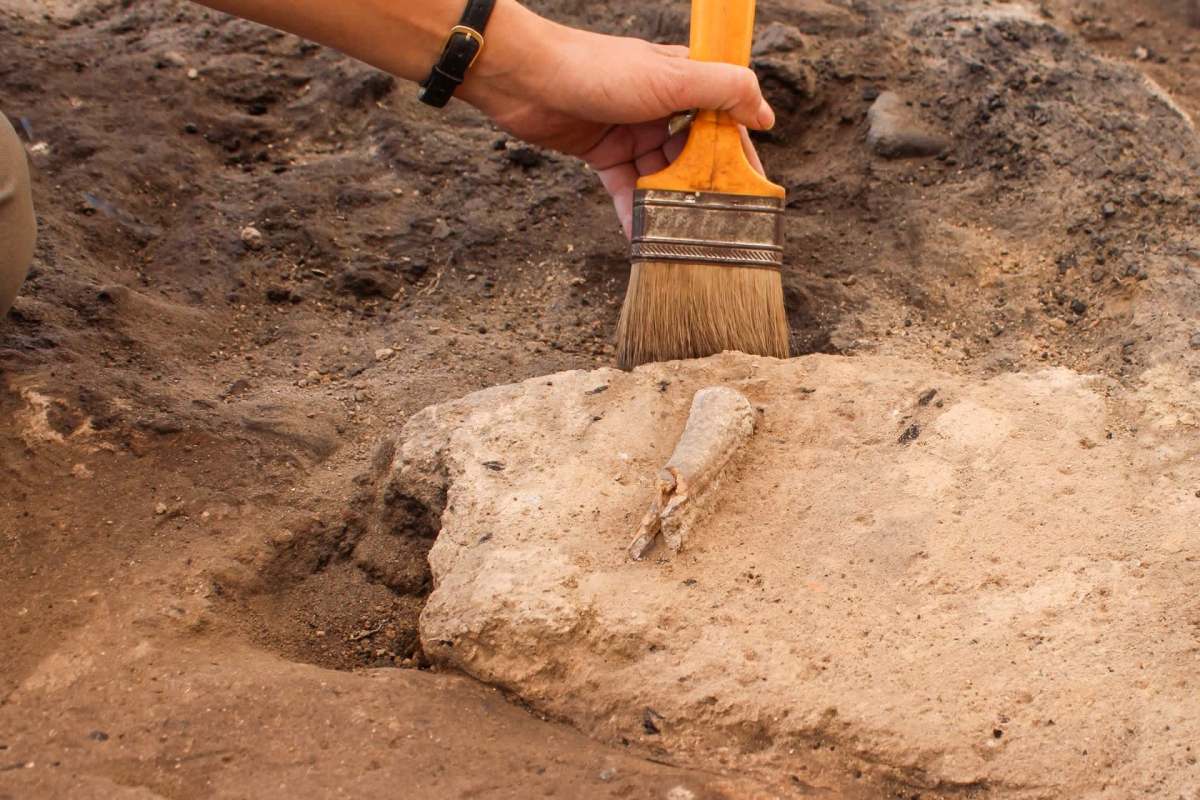
For nearly four millennia, an ancient burial monument in Sardinia remained concealed under brush and soil.
Archaeologists finally exposed the structure and identified it as a Giant's Tomb dating back almost 4,000 years.
What happened?
According to The Debrief, a restoration project at Carrarzu Iddia in central-western Sardinia led Italian archaeologists to an unexpected discovery: a previously unknown Giant's Tomb. The megalithic burial monument is associated with the island's Nuragic civilization and was found during work at a nuraghe on the same site.
Dense vegetation and accumulated debris had kept the tomb out of sight for nearly 4,000 years. Archaeologists believe that same cover may also be why the monument survived in such strong condition.
Set about 800 yards up the southern slope of Crastu Littu, the structure occupies a high vantage point overlooking the Macomer plain, the nearby highlands, and the Gulf of Oristano.
With assistance from local landowners, archaeologists cleared the site and documented key characteristics of a Giant's Tomb, including a stone exedra at the entrance and construction of the tomb in trachyte blocks.
TCD Picks » Quince Spotlight
💡These best-sellers from Quince deliver affordable, sustainable luxury for all




The team also recorded a larger ceremonial and inhabited setting around the monument, including protonuraghi, a sacred well, traces of settlement, and a large burial area.
Why does it matter?
The find expands what researchers know about Nuragic Sardinia, the Bronze Age culture that began building Giant's Tombs around 1800 B.C.
Despite the name, Giant's Tombs were not believed to be graves for giants. They're communal burial monuments whose scale and design have long drawn archaeologists' attention.
Finds like this can help researchers better understand how ancient communities organized burial customs, daily life, and regional connections. Because the tomb sits in a commanding location, it may also offer clues about how Nuragic communities chose meaningful and strategic sites thousands of years ago.
Officials suspect parts of the monument may have been damaged by illegal digging, a reminder that looting can destroy historical evidence. A similarly undisturbed Etruscan tomb near Rome made the same point earlier this year.
By contrast, careful excavation can uncover artifacts such as ceramics that help date a site and document human occupation.
What's being done?
Surveyors from Sardinia's two Superintendencies of Archaeology, Fine Arts, and Landscape are examining the area as part of a larger restoration and excavation campaign.
Their work extends beyond the tomb to the wider Carrarzu Iddia complex, which shows human occupation spanning pre-Roman, Roman, and later periods.
Researchers said one of the most intriguing features is a second internal level near the entrance, which they described as uncommon for this type of monument.
That detail could provide new insight into Nuragic construction methods and funerary practices, both of which remain not fully understood.
Researchers said the location "is of particular interest," and they described the second-level feature as "rare."

Get TCD's free newsletters for easy tips, smart advice, and a chance to earn $5,000 toward home upgrades. To see more stories like this one, change your Google preferences here.






