


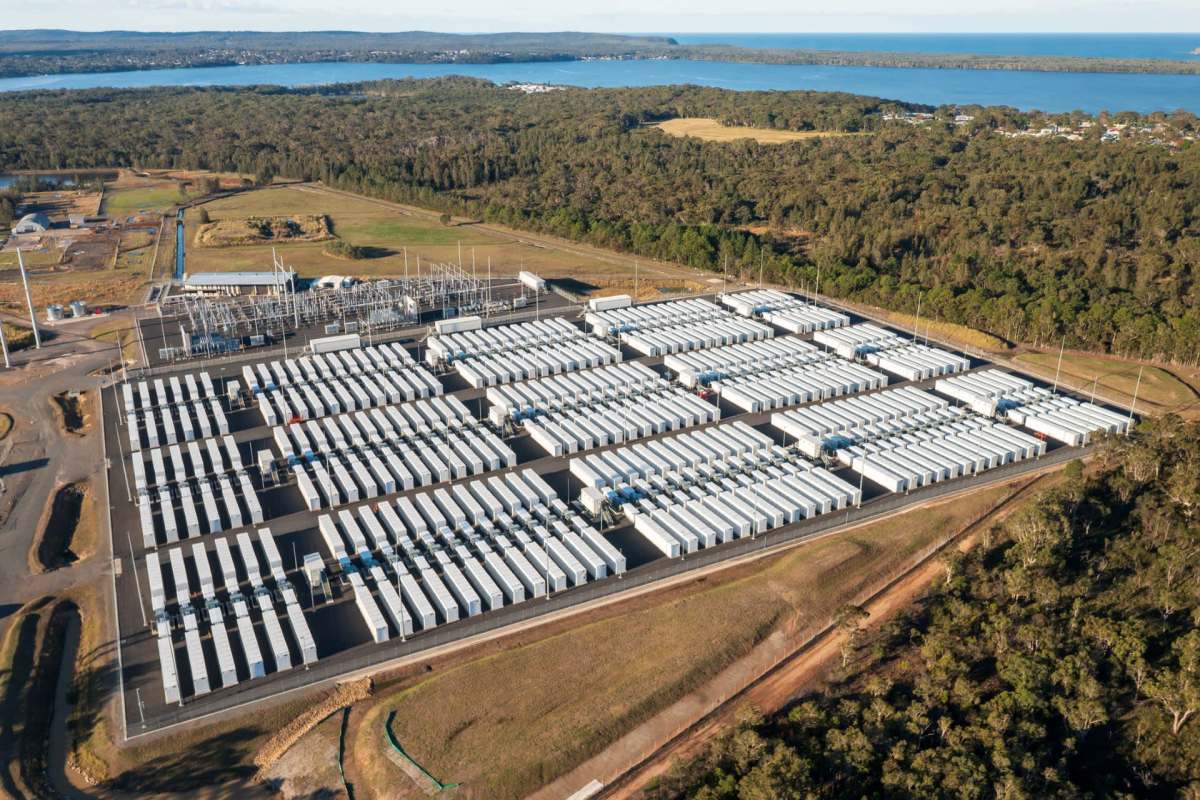
Australia's growing fleet of giant batteries may be turning one of solar power's biggest headaches into a money-saving advantage, as creator The Electric Viking (@electricviking) reveals on YouTube.
In Victoria, grid-scale storage is helping flatten the notorious "duck curve," as he explores in-depth in a video.
What's happening?
The Electric Viking's post highlights a Gavin Mooney chart shared on LinkedIn that showed Victoria's average wholesale electricity prices dropped in the first quarter of the year.
The video pointed back to a time when strong solar output posed a conundrum. Known as the duck curve, the pattern in which solar floods the grid at midday, then power prices spike in the evening, when demand stays high, but sunshine disappears.
In other words, grids had lots of cheap renewable power at noon but no dependable way to save it for when people still needed electricity after sunset.
Recent price patterns suggest that it is starting to shift. Midday electricity is no longer plunging as far into negative territory.
TCD Picks » Quince Spotlight
💡These best-sellers from Quince deliver affordable, sustainable luxury for all




"Morning and evening peak prices are now much lower," The Electric Viking noted. That suggests batteries are absorbing surplus solar instead of letting it be lost.
In the video's explanation, much of that change is tied to the batteries already operating on the grid, most of them shorter-duration systems that generally store power for two to four hours.
They take in energy when solar supply is high and send it back out later, helping reduce the size of daily price swings.
Why does it matter?
If peak prices continue to ease, electricity bills could follow over time. The video said many customers face their highest-priced billing window from 5 to 10 p.m., which is also when batteries can supply stored power and reduce pressure on the grid.
Utilities and cities also benefit when wholesale prices become less erratic. A system that is not swinging as sharply between daytime oversupply and evening tightness is easier to operate, plan for, and invest in as cleaner energy grows.
Before batteries became more common, grids often had to curtail extra solar because they could not take it all, which meant renewable electricity was effectively thrown away. Storage helps limit that waste by holding surplus energy until demand picks up.
What's being done?
Victoria's results with shorter-duration batteries are already showing what storage can deliver, and officials are already looking beyond that first step.
According to The Electric Viking, Victoria's State Electricity Commission called the current results "a great proof point of the role batteries play in intraday trading and reshaping electricity markets."
The video said the commission is now considering longer-duration storage in the 8-to-12-hour range for longer stretches of weak solar and wind output. If those projects move ahead, batteries could play an even bigger role in keeping the grid reliable through evening peaks.
"8 hour batteries and Sodium batteries are coming out now," one commenter on YouTube noted. "It seems like progress is speeding up."
"Solar changed the shape of electricity markets," The Electric Viking asserted. "Now, batteries are changing it again."
If Victoria's trend continues, the duck curve may start to look less like a persistent grid problem and more like evidence that cleaner, cheaper electricity is finally being stored and used when it is needed.

Get TCD's free newsletters for easy tips, smart advice, and a chance to earn $5,000 toward home upgrades. To see more stories like this one, change your Google preferences here.






