


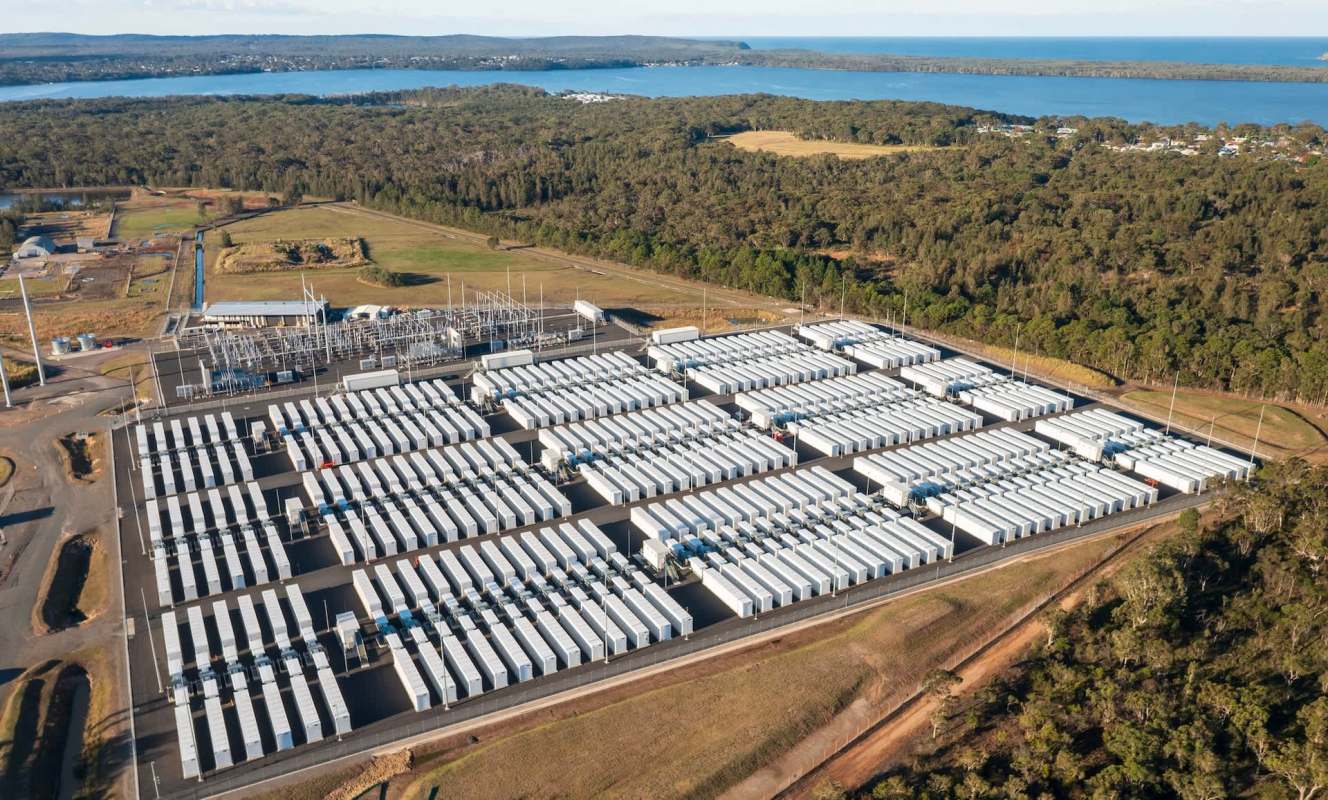
Australia's battery surge is reaching a point where, for part of the day, electricity will effectively cost some people nothing.
Free midday electricity is coming to three Australian states on July 1, 2026, when the price of power will drop to zero from 11 a.m. to 2 p.m. each day — a striking sign of how far cheap solar and battery storage are shifting grid economics.
What happened?
Australia has been rapidly expanding storage at both the grid and household level, a trend that is pushing electricity prices lower and reducing dependence on costly gas-fired generation. As CleanTechnica reported, more than 415,000 residential batteries were added over the past year — roughly one for every 25 houses.
Clair Savage, who heads the Australia Energy Regulator, said the growing battery fleet is helping make electricity prices less volatile.
"Batteries have been displacing more expensive gas and hydro in the evenings, and we've just seen flatter prices through the whole day. That's really translated to lower forward electricity contract prices," she said.
For readers wondering what this could look like at home, adding battery storage is one of the best ways to protect your home during outages, save on energy costs, and move closer to going off-grid. You can explore EnergySage's free tools to compare home battery storage options, including competitive installation estimates. Another option is Pila for those looking for plug-and-play batteries that are much cheaper than a whole-home backup system.
Why does it matter?
During the evening demand spike, batteries are increasingly covering power needs that utilities previously met with costly gas "peaker" plants.
Tennant Reed, the climate change and energy director for the Australian Industry Group, said, "The role of gas used to be in the evening to meet the evening peak and that came at a cost, because gas is not a cheap fuel. But more and more every day, it is batteries that are surging into the market at 6 p.m."
Save $10,000 on solar panels without even sharing your phone number Want to go solar but not sure who to trust? EnergySage has your back with free and transparent quotes from fully vetted providers in your area. To get started, just answer a few questions about your home — no phone number required. Within a day or two, EnergySage will email you the best options for your needs, and their expert advisers can help you compare quotes and pick a winner. Solar panels can save you more than $50k over their 25-year lifespan, and EnergySage can help you save as much as $10k on installation. Which begs the question — isn't that worth an email or two? |

That shift can mean lower bills, less exposure to fuel price shocks, and cleaner air. Home batteries can keep essential appliances running during blackouts, cut peak-hour costs, and give households more control over their energy use.
What's being done?
Australia is also changing incentives to encourage people to use more electricity when midday solar is abundant. Under the Solar Sharer program, customers in Queensland, New South Wales, and South Australia will get free electricity from 11 a.m. to 2 p.m. beginning July 1, 2026, and other states are expected to join the following year.
The regulator said those hours were selected to match the stretch of the day with the most solar generation, the lowest demand, and the cheapest power.
Savage said, "We've picked those hours after we did some quite extensive modelling. You can imagine — when is the minimum demand in the grid? When do we have the most sunshine? When do we have the lowest prices? When do we have the lowest wholesale prices? When do we have the lowest network prices?"
BloombergNEF said 2025 brought 112 gigawatts of new battery storage worldwide, the first time annual additions exceeded 100 gigawatts. The firm also said Australia deployed almost six times as much storage as it did in 2024, aided by strong market conditions and subsidies for residential systems.
Tristan Edis of Green Energy Markets summed up the moment, saying, "It's amazing. It shows again that if you go big with a technology and you kick it off big from the start, you can make a really significant difference."

Get TCD's free newsletters for easy tips, smart advice, and a chance to earn $5,000 toward home upgrades. To see more stories like this one, change your Google preferences here.






