


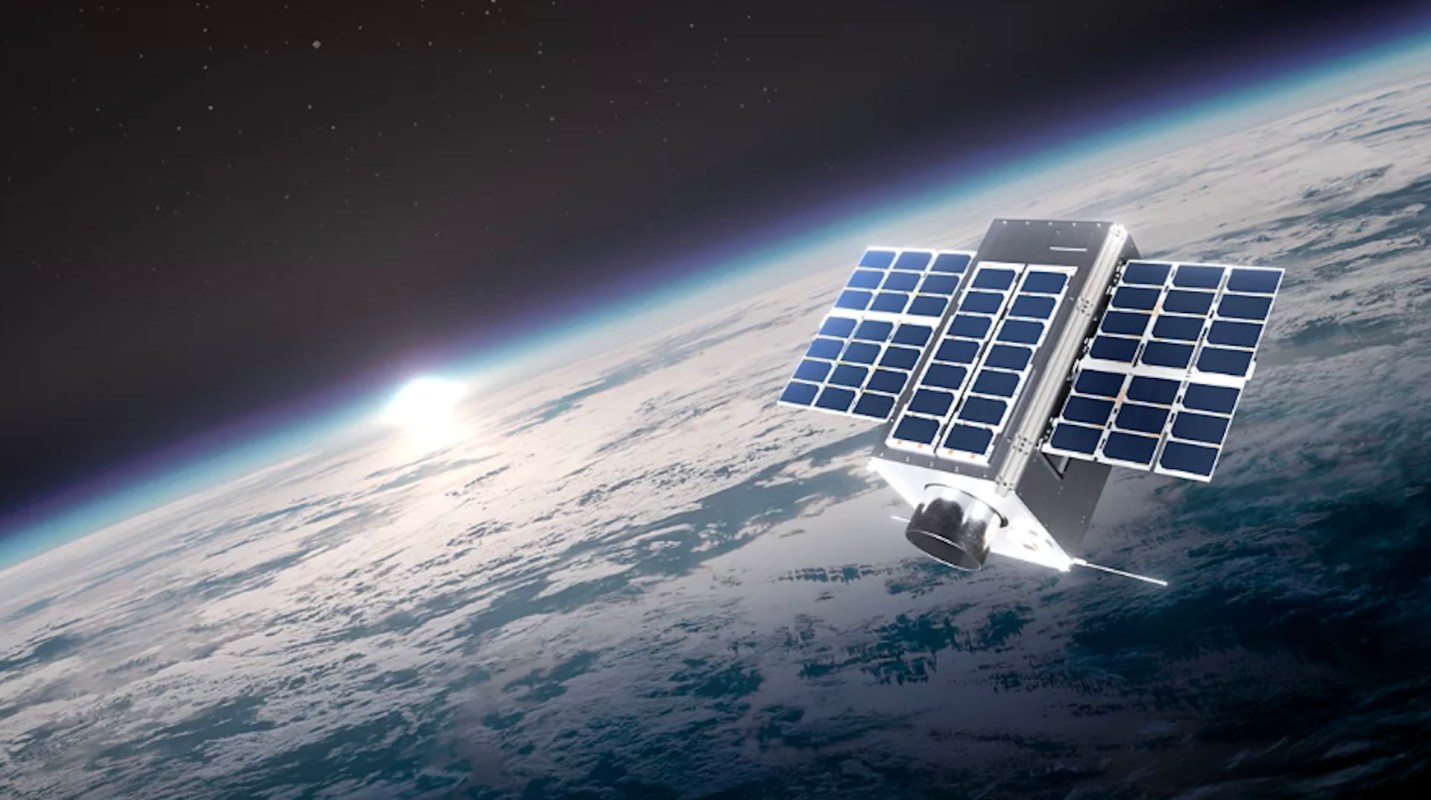
The launch of new space technology in November could help keep our planet green by catching companies omitting important information.
According to Axios, GHGSat launched a trio of satellites from California's Vandenberg Space Force Base, including the first-ever sensor able to measure carbon dioxide (CO2) pollution from "individual power plants, industrial facilities, and other emissions sources."
The hope is that the new high-resolution satellite — named Vanguard and put into orbit with a SpaceX Falcon 9 rocket — will ultimately increase the accuracy of emissions reporting. The Washington Post and Climate TRACE are among the media members and watchdog groups raising concerns about the truthfulness of such reports, as reported by Axios.
"With regulators, investors, and the public increasingly holding companies to account, both for their direct and indirect emissions, there is little doubt that better CO2 data is needed," GHGSat CEO Stephane Germain said in a statement, per Axios.
While NASA is able to monitor the movement of CO2 on a broad scale, as Axios pointed out, it does not provide data for specific facilities.
GHGSat, meanwhile, already has proven success with methane-tracking technology, which it deployed in 2016.
Perk up the winter blues with natural, hemp-derived gummies Camino's hemp-derived gummies naturally support balance and recovery without disrupting your routine, so you can enjoy reliable, consistent dosing without guesswork or habit-forming ingredients. Flavors like sparkling pear for social events and tropical-burst for recovery deliver a sophisticated, elevated taste experience — and orchard peach for balance offers everyday support for managing stress while staying clear-headed and elevated.
Learn more → |

According to GHGSat's official website, nine of its satellites are in orbit, and Germain has credited the tech with bringing a heat-trapping gas "that was out of sight and out of mind, to the top of the climate agenda."
The Environmental Defense Fund notes that methane "has more than 80 times the warming power of carbon dioxide over the first 20 years after it reaches the atmosphere," so accurately monitoring this gas is vital to limiting dangerous rising global temperatures.
That is only one piece of the puzzle, however. While methane accounts for 16% of all heat-trapping gas pollution, which is linked to extreme weather events, CO2 from dirty energy sources and industrial processes makes up 65%, according to the Environmental Protection Agency.
In order to track carbon pollution, GHGSat simply adapted its proprietary infrared sensor to detect CO2 rather than methane. The company's SPECTRA platform, which makes methane results available, will also house CO2 data.
TCD Picks » Upway Spotlight
💡Upway makes it easy to find discounts of up to 60% on premium e-bike brands





"We hope to revitalize the discussion around CO2 as well, providing industry and government with tools to help them address this global issue, at the local level," Germain said in a January statement on the company's website.

Join our free newsletter for weekly updates on the coolest innovations improving our lives and saving our planet.
Cool Picks





