


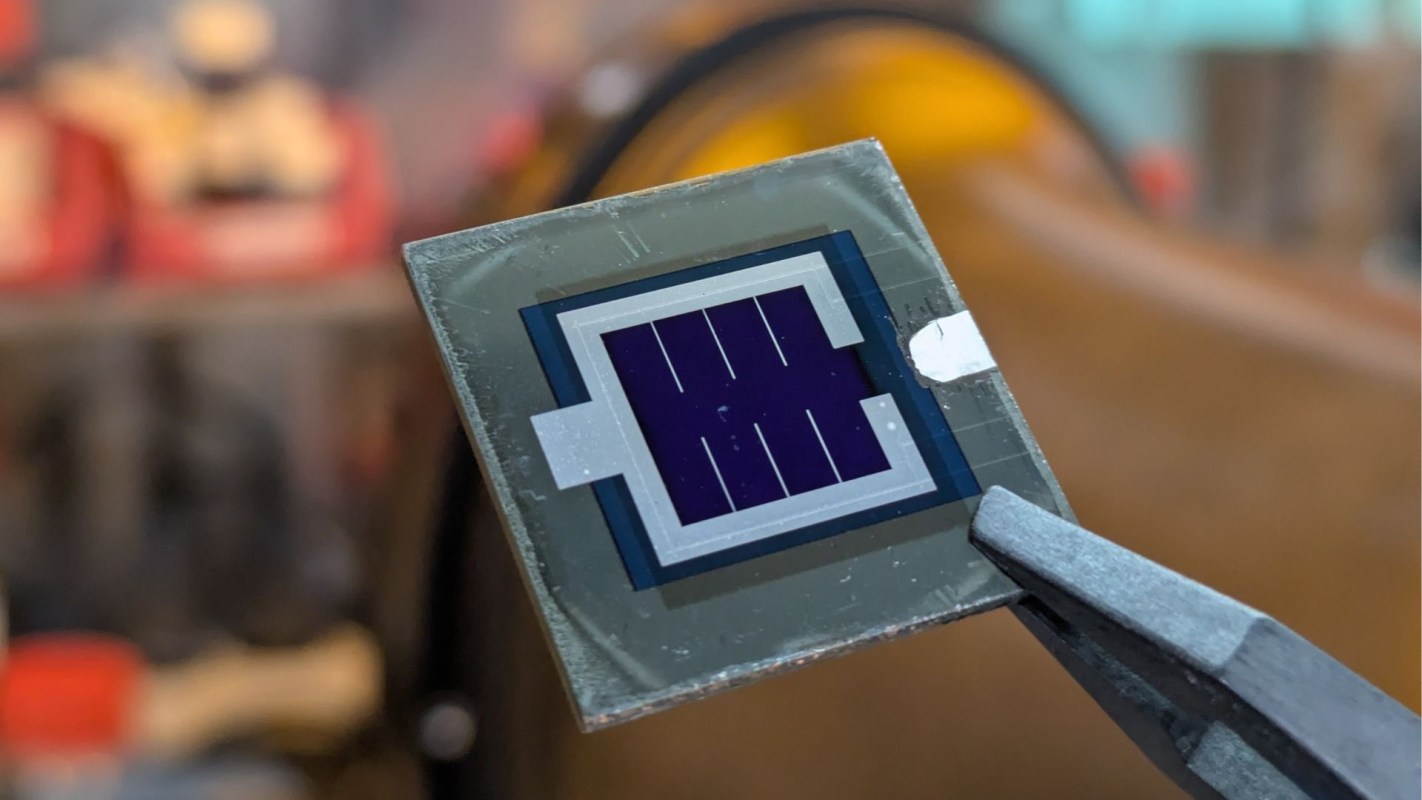
Researchers in Germany have set a new solar record that could help pave the way for lighter, more versatile panels, Interesting Engineering reported.
Their tandem cell, just over 0.16 square inches (1 square centimeter), converts 25.5% of sunlight into electricity, a milestone that could matter outside the lab.
What happened?
At Helmholtz-Zentrum Berlin and Humboldt University of Berlin, researchers produced a certified tandem solar cell that converts 25.5% of sunlight into electricity over an area of 0.168 square inches (1.081 square centimeters). That beats the team's own 24.6% record from last year.
Going solar is one of the best ways to save money on home energy, and EnergySage offers free tools to get quick solar installation estimates. Homeowners can also use EnergySage to compare quotes from installers and better understand the costs of making the switch, as Interesting Engineering reported.
Ultra-tiny lab cells can post impressive numbers, but the widely followed Solar Cell Efficiency Tables won't list a technology tested on anything smaller than 1 square centimeter. Clearing that bar makes this result more meaningful, since the design is now closer to industry scale-up.
Why does it matter?
Instead of using a single light-absorbing material, the device splits the work between two thin films. The perovskite top layer captures the blue, high-energy part of sunlight, while the lower CIGS layer, made of copper, indium, gallium, and selenium, soaks up the weaker red and infrared wavelengths that pass through.
This tandem design can pull more electricity from the same amount of sunshine, a goal for an industry working to lower costs and generate more solar power from rooftops, buildings, and vehicles. Other teams are chasing the same target: a U.S. company recently reported a perovskite-silicon module topping 30% efficiency in a demonstration unit. Higher efficiency can also mean fewer panels for the same amount of power.
The CIGS and perovskite films are thin, light, and bendable, so they could one day wrap around curved surfaces, sit inside window glass, or cover a car roof, as Interesting Engineering detailed. Rigid panels can't easily go in any of those spots.
Save $10,000 on solar panels without even sharing your phone number Want to go solar but not sure who to trust? EnergySage has your back with free and transparent quotes from fully vetted providers that can help you save as much as $10k on installation. To get started, just answer a few questions about your home — no phone number required. Within a day or two, EnergySage will email you the best local options for your needs, and their expert advisers can help you compare quotes and pick a winner. |

What's being done?
The researchers have already pushed past the record cell. Partnering with Berlin's University of Applied Sciences, they built a 0.35-square-inch (2.25-square-centimeter) mini-module from the same material stack, and it held 19.7% efficiency, according to Interesting Engineering.
On the record-setting device itself, Dr. Guillermo Farias Basulto adjusted the band gap of the CIGS base so it soaks up light better, while chemist Wuai Zhang tested coatings meant to stop electricity from leaking inside the cell.
EnergySage's solar map shows the average cost of a home solar panel system in each state, along with the incentives available where you live. Together, those free tools can help you land the best price for rooftop solar panels and claim savings you might otherwise miss. With EnergySage's help, the average person can save up to $10,000 on solar purchases and installations.
Adding battery storage to a solar setup is one of the best ways to protect your home during outages, save money on energy, and go off-grid. EnergySage's free tools can help there too, with details on home battery options and competitive installation estimates.
More From EnergySage
💡Go deep on the latest news and trends shaping the residential solar landscape

"The physics embedded in our current cell architecture suggests that 25.5 percent is merely a stepping stone, given that our in-house testing of similar architectures has already reached efficiencies of 27.5%," Farias Basulto noted.

Get TCD's free newsletters for easy tips, smart advice, and a chance to earn $5,000 toward home upgrades. To see more stories like this one, change your Google preferences here.






