


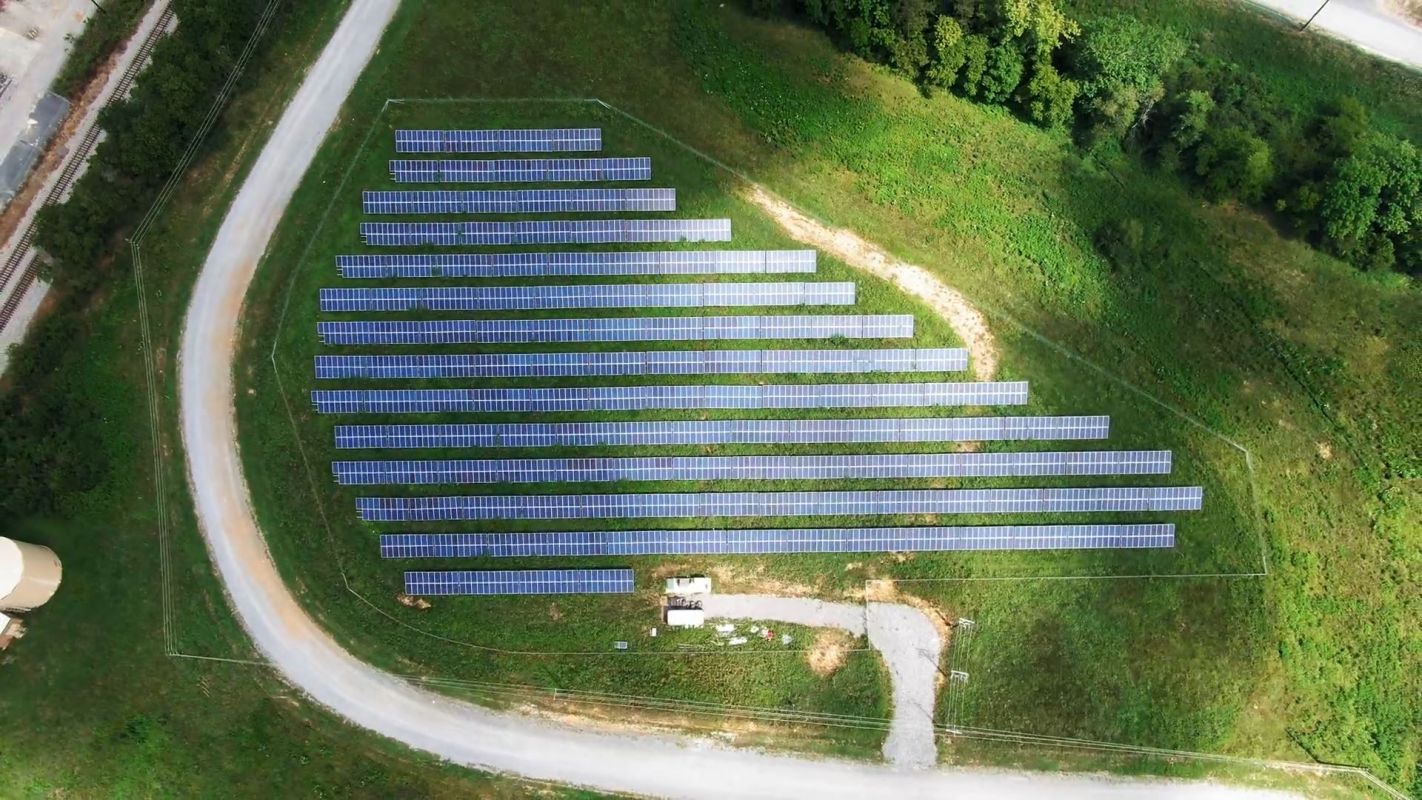
A U.S.-based perovskite-silicon solar module maker has reached a milestone long seen as the next major leap for clean energy.
According to pv magazine, its perovskite-silicon module has achieved 30% efficiency while still being designed with real-world scale in mind.
What happened?
Internal results released by Tandem PV showed a 100-square-centimeter demonstration module operating at 30.4% efficiency.
For that module, the company combined its four-terminal perovskite glass with an interdigitated back contact cell made by Maxeon.
High-efficiency milestones are not always achieved with manufacturing scale in view.
In this case, Tandem PV said the module was produced using a process intended to move quickly toward commercial manufacturing.
CEO Scott Wharton told pv magazine a full-size version of the design could reach 28% efficiency and deliver about 12% more power from the same area than Aiko's 545-watt silicon module, which is rated at 25% efficiency.
Tandem PV expects to pursue the utility-scale market later in 2026.
Save $10,000 on solar panels without even sharing your phone number Want to go solar but not sure who to trust? EnergySage has your back with free and transparent quotes from fully vetted providers that can help you save as much as $10k on installation. To get started, just answer a few questions about your home — no phone number required. Within a day or two, EnergySage will email you the best local options for your needs, and their expert advisers can help you compare quotes and pick a winner. |

Why does it matter?
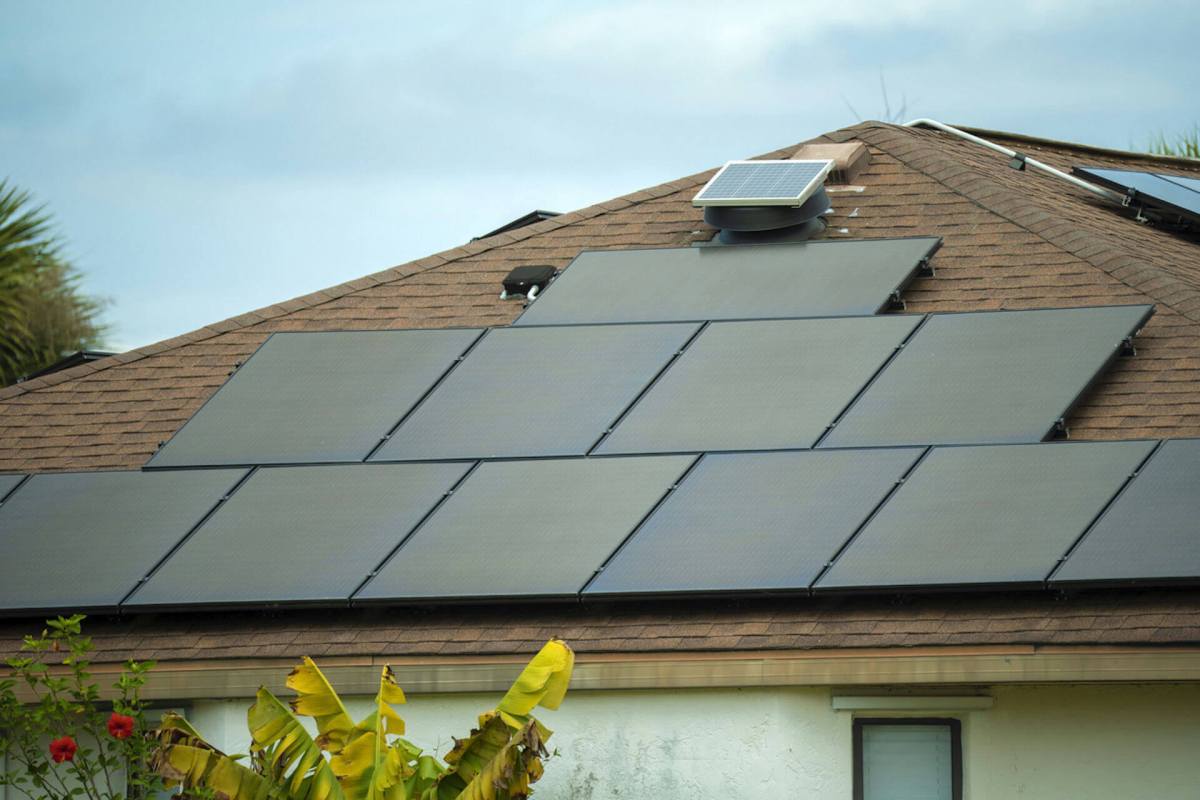
Higher-efficiency panels can generate more electricity from the same rooftop, parking canopy, or solar farm footprint.
For households and businesses, that could eventually mean lower energy bills, fewer panels needed to produce the same amount of power, and more flexibility in places where available space is limited.
It could also help cities and utilities add more clean electricity without using as much land, while reducing the pollution associated with dirty energy sources. EnergySage's free tools make it easy to obtain quick solar estimates and comparable quotes, saving homeowners up to $10,000 on installations. You can also explore its handy mapping tool to learn about possible incentives in your state.
Adding battery storage to a solar setup is one of the best ways to protect your home during outages, save money on energy, and go off-grid. EnergySage's free tools can help with that, too.
More From EnergySage
💡Go deep on the latest news and trends shaping the residential solar landscape


On social media, Wharton described the 30% mark as "a level of performance beyond where conventional silicon solar panels can realistically go."
He also said the demonstration module is "a sign that perovskite-silicon tandem solar is moving onto a new performance curve."

Get TCD's free newsletters for easy tips, smart advice, and a chance to earn $5,000 toward home upgrades. To see more stories like this one, change your Google preferences here.






