


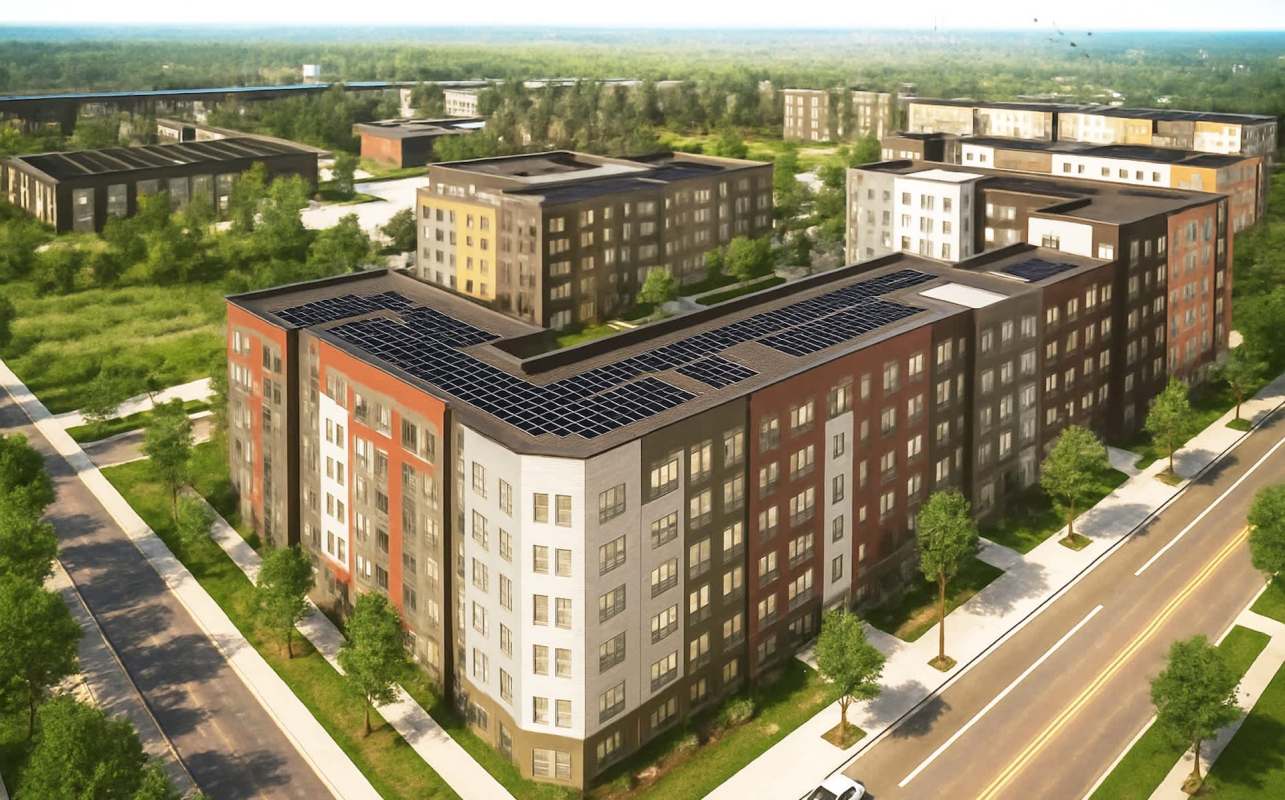
A neighborhood-scale heat pump network taking shape in St. Paul, Minnesota, could offer a glimpse of how entire communities may stay comfortable without relying so heavily on gas or fossil fuel energy systems.
If the project works as planned, it will heat and cool homes and businesses more efficiently while helping shield residents from rising fuel costs.
According to MinnPost, Ever-Green Energy, the operator behind downtown St. Paul's district energy system, is building a massive geothermal network for The Heights, a neighborhood with over 1,000 homes and about 1 million square feet of light industrial space.
Instead of creating heat through combustion, the network will move heat in and out of the ground using water from an aquifer hundreds of feet below the surface.
Because that underground reservoir stays at a relatively steady temperature year-round by taking advantage of the heat under our feet, it can provide a powerful source for highly efficient heating and cooling.
CEO Luke Gaalswyk said the project could become "one of the largest networked geothermal energy systems in the country."
TCD Picks » Quince Spotlight
💡These best-sellers from Quince deliver affordable, sustainable luxury for all




Ever-Green is also studying similar systems for other local sites, including Mount Airy Homes in St. Paul, where a connected geothermal network would serve 302 homes.
For residents, this kind of system could mean more reliable indoor comfort in both winter and summer with less wasted energy.
Heat pumps are already known for being efficient because they move heat rather than generate it directly, and geothermal-based systems can be even more efficient than standard air-source setups.
That could be especially important in Minnesota, where extreme cold can make heating bills a major burden.
As natural gas prices fluctuate, a cleaner and more efficient alternative could help households and property owners save money over time.
There are health and quality-of-life benefits as well. Reducing reliance on combustion-based heating can help cut planet-warming pollution and may improve local air quality, while built-in cooling can better protect people during dangerous heat waves.
If you're interested in a heat pump upgrade for your home, check out EnergySage's heat pump marketplace for competitive quotes. If you're not ready to buy upfront, Palmetto, another company, offers $0 down HVAC leases that can reduce your energy costs by up to 50%.
Plus, the Merino Mono offers targeted heating and cooling for homeowners not looking for a whole-home upgrade.
For cities with aging gas infrastructure, thermal networks could also offer a less disruptive long-term replacement.
Mount Airy may become a key test case for plugging geothermal into existing district energy infrastructure.
Because the housing complex sits at the edge of St. Paul's hot water loop, Ever-Green sees it as a promising place to add a supplemental thermal source while maintaining a connection to the main system for backup during peak winter demand.
Gaalswyk told MinnPost the company is looking to complete the feasibility study this year, start construction on the Mount Airy project in 2027, and have the system operating for the 2028-29 heating season.

Get TCD's free newsletters for easy tips, smart advice, and a chance to earn $5,000 toward home upgrades. To see more stories like this one, change your Google preferences here.






