



When crop yields decrease, groceries get more expensive, and many staples are much harder to obtain for those already experiencing food insecurity. But scientists around the world are hard at work figuring out how to combat the many forces threatening the global food supply:
1. Breeding disease-resistant crops

Researchers at the Chinese Academy of Sciences have created the Geminivirirus Replicon-Assisted in Planta Directed Evolution (GRAPE) platform for the purpose of making plants disease-resistant.
To accomplish this, the researchers inserted mutation-treated genes into artificial geminivirus replicons, which rapidly replicate DNA. Genes with strong disease immunity can be used to further replicate and help breed disease-resistant crops. The system works quickly and can be replicated for various agricultural uses.
Read more →
2. Making plants indigestible to insects

Insects can infest plants whether they're in the field, during transportation, or in storage, rendering large numbers of crops unusable. The domestication of wild plants, along with modern farming and agriculture practices, has all brought about the loss of inhibitor proteins, which helped plants naturally manage pests in the past.
Researchers are working toward reestablishing these inhibitor proteins in modern plants through gene editing. The goal is to increase the production of these inhibitors to make crops indelible for insects but not for humans or animals.
Read more →
3. Speeding up the gene editing process
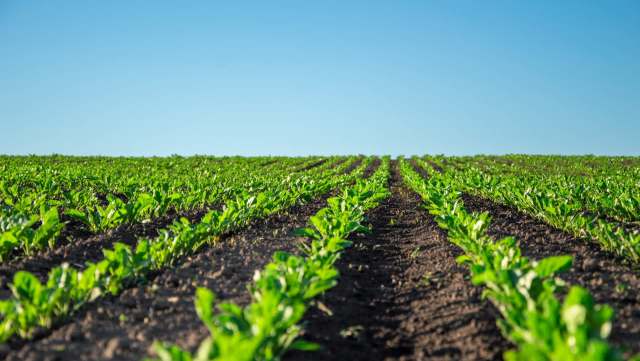
Gene editing can be used for some amazing things, like making plants more resistant to disease or pests, or more resilient in the face of the changing climate. Unfortunately, gene editing has historically been a long and drawn-out process, sometimes taking several months.
TCD Picks » Quince Spotlight
💡These best-sellers from Quince deliver affordable, sustainable luxury for all




But researchers have discovered how to condense the process to weeks.
Rather than editing a single cell and waiting for it to grow, the new process takes advantage of a plant's ability to regenerate by injecting edited DNA and growth-promoting bacteria into a pruned plant.
Read more →
4. Leveraging the genetic traits of an invasive
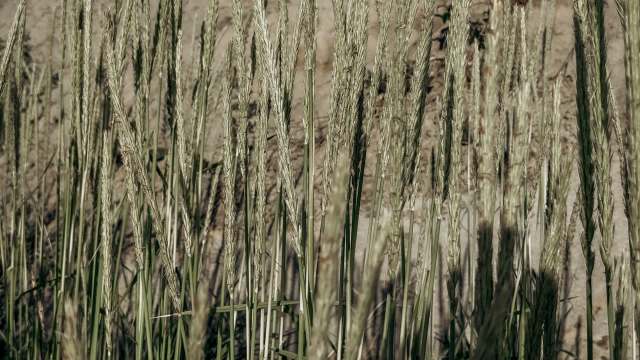
The fungal pathogen Zymoseptoria tritici can wipe out massive amounts of wheat, resulting in 50% yield losses in some cases. Fungicides can be used to control the spread, but they can negatively affect soil health and have been linked to health concerns in humans.
Jointed goatgrass is classified as an invasive plant in some areas, but it's also a close relative of wheat. More importantly, it's resilient to Zymoseptoria tritici. Researchers in Germany are working to understand goatgrass's resilience and use that knowledge to genetically improve wheat's resilience.
Read more →
|
Which of these savings plans for rooftop solar panels would be most appealing for you?
Click your choice to see results and speak your mind. |
 Save $1,000 this year 💸
 5. Using corn DNA to make stronger crops

Scientists in Canada have discovered how to increase canola yields and resilience using corn DNA. Incorporating corn DNA into canola plants resulted in higher seed yield along with improved starch output, leading to greater overall biomass.
Importantly, the high-biomass canola performed well under drought and heat-intensive conditions. So far, the gene-edited canola has only been tested in controlled conditions, but the researchers expect real-world field results by the summer of 2026.
Read more →

Get TCD's free newsletters for easy tips to save more, waste less, and make smarter choices — and earn up to $5,000 toward clean upgrades in TCD's exclusive Rewards Club.






