


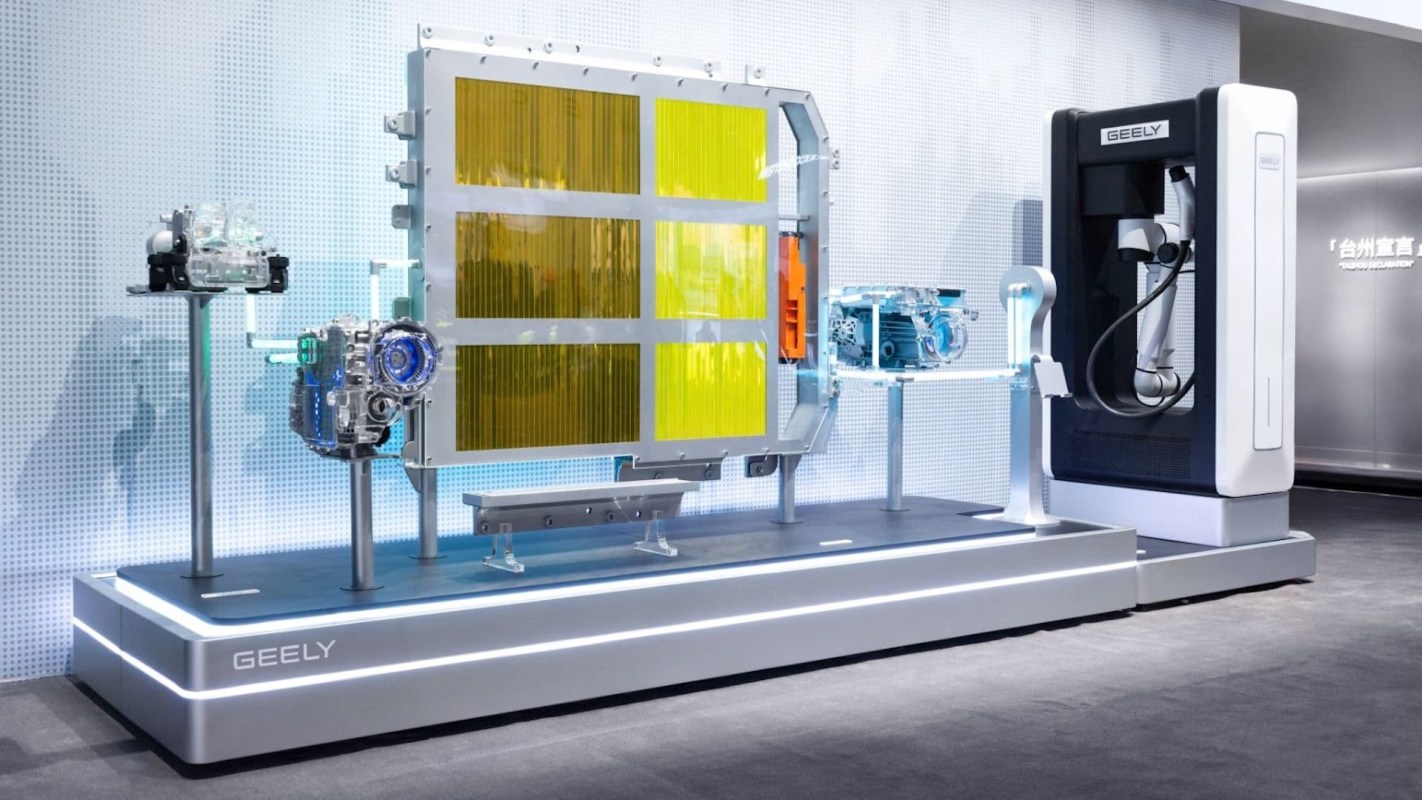
Geely is targeting one of the main complaints about electric vehicles. Its answer to worries about charging speed is a 1,000-volt EV platform paired with ultra-fast chargers built for megawatt-level output.
One trial points to how far that effort has come, with a Lynk & Co 01 moving from 10% charge to 80% in five minutes and 32 seconds, as Interesting Engineering reported.
Here's what to know
After bringing 800-volt tech to its existing EV range, Geely is now working on a 1,000-volt architecture for upcoming models, the outlet noted. The goal is to cut charging times enough that plugging in feels more comparable to a quick gas stop.
From the same 10% starting level, the Lynk & Co 01 reportedly reached 97% in 8 minutes and 42 seconds.
While some reports have labeled the vehicle a 900-volt model, Interesting Engineering clarified its reported 95-kilowatt-hour pack carries a nominal 772.8-volt rating, putting it in the 800-volt class.
Test sessions showed short bursts of very high power, peaking at 1,100 kilowatts on a Zeekr fast charger and 430 kilowatts at a BYD Flash Charging Station.
TCD Picks » Quince Spotlight
💡These best-sellers from Quince deliver affordable, sustainable luxury for all




It did not sustain that speed throughout the full session. The outlet noted real-world charging still depends on factors such as battery temperature, cooling, and how sharply the charging curve tapers over time.
More background
Charging speed remains one of the biggest factors for shoppers considering buying an EV.
Faster charging can make road trips easier and help ease range anxiety. At the same time, EV ownership can save drivers money through lower fuel costs and reduced routine maintenance, since there are no oil changes and fewer moving parts that need servicing.
In March, Geely said its Zeekr network included more than 2,100 charging points rated for as much as 1,500 kilowatts, according to Interesting Engineering.
There is still a gap between what chargers can deliver and what current vehicles can actually accept, but the planned 1,000-volt architecture could help narrow it.
Higher voltage alone is not enough. Batteries and thermal systems also need to withstand the additional heat and power that come with ultra-fast charging.
The competition is fierce in China. BYD already has a 1,000-volt Super e-Platform, while CATL's second-generation Shenxing battery is aimed at as much as 1.3 megawatts of charging power, the outlet noted.
What's being done?
Automakers are advancing on several fronts at once, including higher-voltage vehicle platforms, more powerful public charging equipment, and improved battery chemistry. Together, those developments could make EV charging much faster while helping more drivers see electric models as practical everyday vehicles.
Geely is also planning solid-state battery tests for 2027. The highest-spec version reportedly aims for 500 watt-hours per kilogram of energy density and over 621 miles (1,000 kilometers) of range, though mass production remains farther off, Interesting Engineering said.
If Geely and its rivals continue cutting charging times, EV ownership could become even more attractive thanks to cheaper fueling, lower maintenance costs, and far less waiting when it is time to plug in.
Geely's test does not mean five-minute charging is ready for every driver just yet. It does, however, suggest the industry is moving closer to charge times that rival a stop at the pump.

Get TCD's free newsletters for easy tips, smart advice, and a chance to earn $5,000 toward home upgrades. To see more stories like this one, change your Google preferences here.






