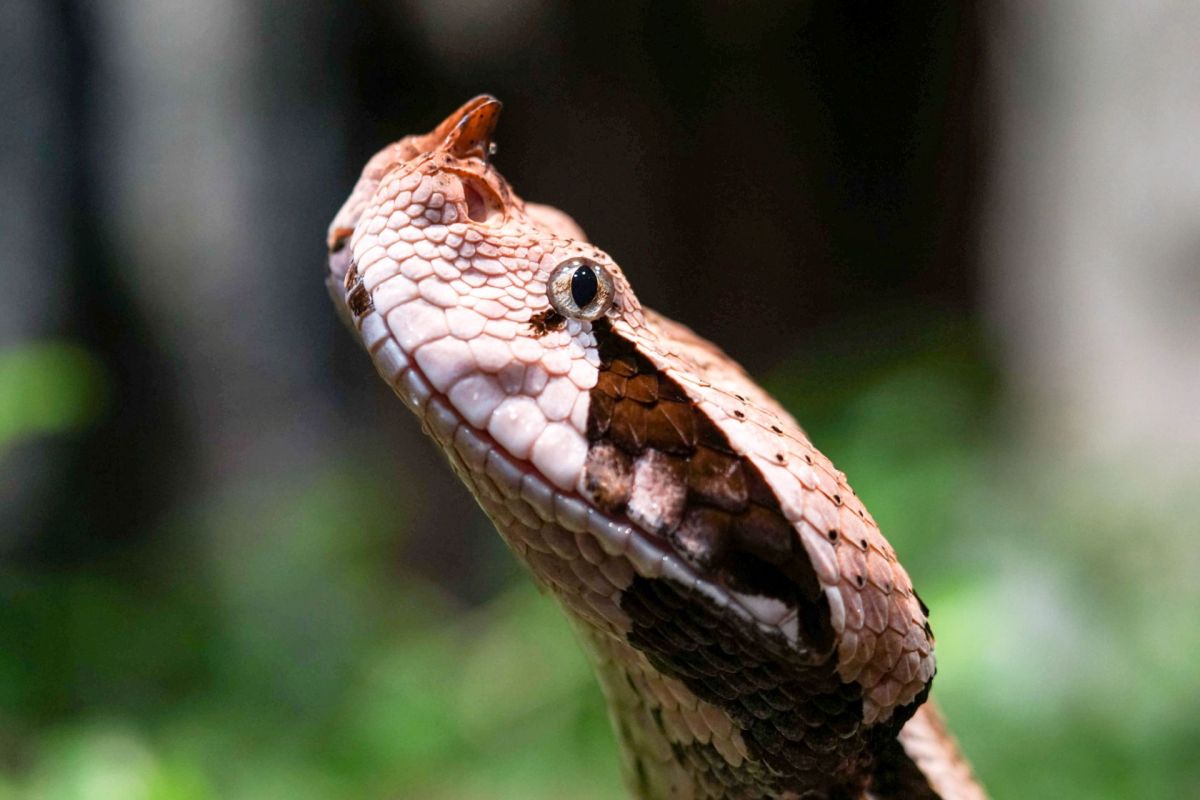
A Gaboon viper is going viral on Reddit for a movement style that looks almost wrong to human eyes.
Instead of the familiar side-to-side slither, the snake glides forward in a straight line, a crawl one viewer called "more unsettling [than] slithering."
The heavy-bodied snake, identified in the post as Bitis gabonica, moves using what the original source article describes as rectilinear locomotion, advancing by sequential muscle contractions so the body travels almost straight ahead.
(Click here to watch the video if the embed doesn't appear.)
That unusual crawl is often used by Gaboon vipers when stalking, and onlookers were clearly fascinated.
One commenter said the snake looked like it was doing "the snake equivalent of tiptoeing," while another joked, "This dude is so close to having legs."
Enjoy your best summer vacation yet with 15% off your next stay With Hilton, you can find a hotel that matches your mood — whether you’re recharging at the beach, exploring natural beauty, or traveling with your crew. Enjoy vibrant summers in Hawaii, weekend trips in major cities, and even extended itineraries at adventurous sites like Moab’s desert canyons. Plus, save up to 15% during Hilton’s summer sale until June 1st. |

The species is also famous for another jaw-dropping trait: its fangs can reach up to 2 inches, or 5 centimeters, making them the longest of any snake. Its venom is highly potent, though the Gaboon viper has a relatively mild disposition.
Viral wildlife clips can be entertaining, but they also shape how people think about animals that are often misunderstood. A snake with huge fangs and an eerie straight-line crawl can quickly become nightmare fuel online, even though this species is generally considered calm unless threatened.
That distinction matters because fear-based reactions often lead to snakes being killed on sight, even when they are not behaving aggressively. At the same time, venomous species deserve serious caution and distance, especially because a single mistake can have life-altering consequences.
Human behavior also plays a role in wildlife encounters. As roads, farms, settlements, and other development push deeper into wild areas, people are more likely to cross paths with animals that once stayed out of view. In that sense, surprising sightings are not just internet curiosities; they can also reflect a growing overlap between human spaces and wildlife habitat.
TCD Picks » Quince Spotlight
💡These best-sellers from Quince deliver affordable, sustainable luxury for all




If you ever encounter a snake in the wild, the safest move is to give it space. Do not try to touch it, move it, or get closer for a better video. Even species with mild temperaments can defend themselves if they feel cornered.
In regions where venomous snakes live, staying on clear paths, watching where you step, and using a flashlight at night can reduce risk. Around homes and campsites, keeping areas tidy and avoiding piles of debris can make surprise encounters less likely. If a snake is in a place where people could be at risk, contacting local wildlife professionals is the better choice than taking matters into your own hands.
Learning how to coexist with wildlife helps protect both humans and animals.

Get TCD's free newsletters for easy tips, smart advice, and a chance to earn $5,000 toward home upgrades. To see more stories like this one, change your Google preferences here.
Cool Picks