


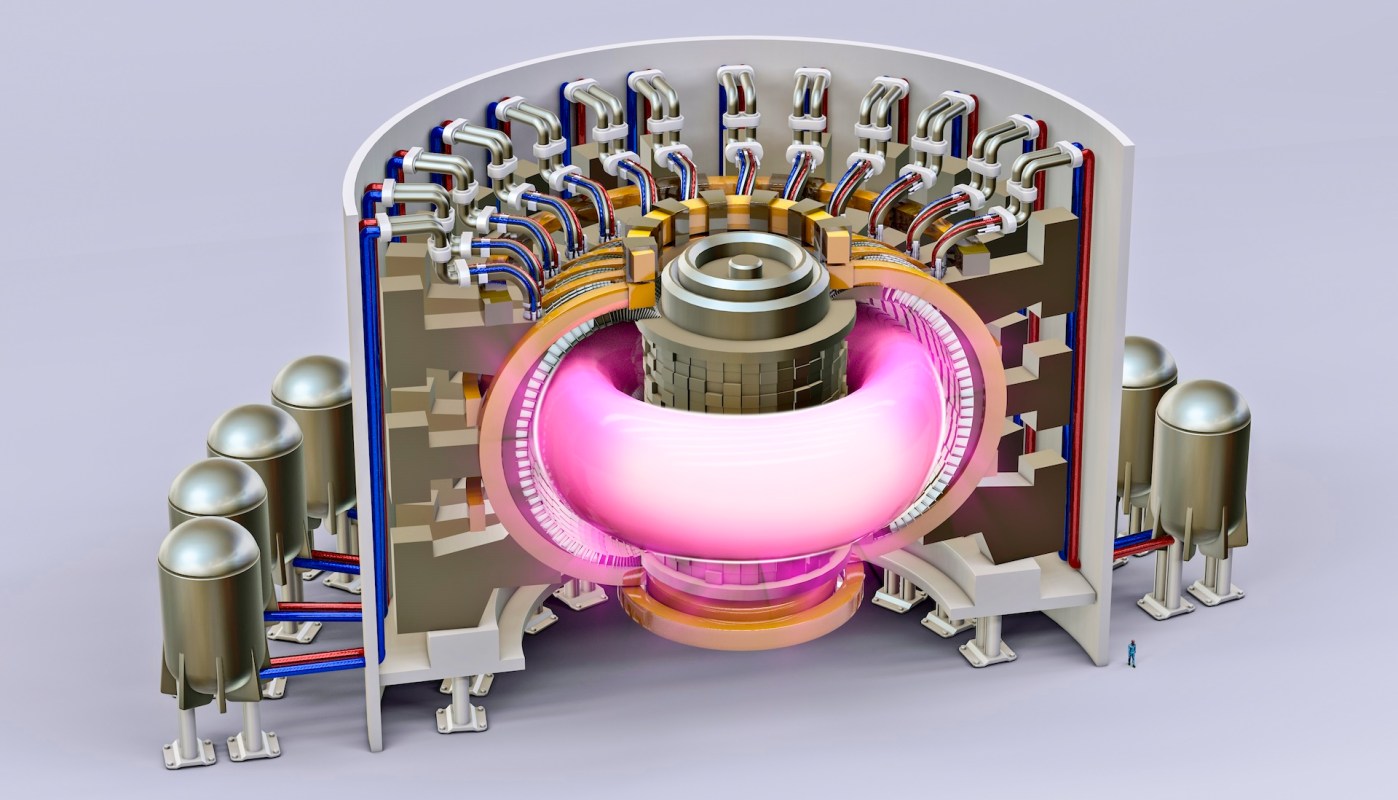
Fusion energy, the result of two lighter atoms coming together to form a heavier one, can release massive amounts of energy without harmful carbon pollution, making its potential widespread use a goal for many. Not only could its use eliminate reliance on dirty energy sources, but, in theory, it could provide humanity with virtually limitless, incredibly affordable, clean energy.
By diversifying clean energy sources with nuclear energy, like fusion, the atmosphere would contain fewer heat-trapping gases, which would cool the planet and lead to cleaner air and water, reducing pollution-related health problems in our communities.
Now, according to AIP, new pathways for fusion science are emerging, which may bring the world closer to fusion energy.
While one of the traditional methods used in fusion energy experiments is single-shell implosions, in which researchers ignite a central hot spot that then transmits a burn wave through the fuel, a team recently ran ignition experiments with double shells. Double shells, as the name implies, contain two shells — an outer shell delivering energy inward and a high-density inner shell compressing the fuel.
One of the authors of the study, Sasi Palaniyappan, explained, according to AIP, that "the design enables what physicists call 'volume burn,' in which the fuel can ignite and burn more uniformly throughout its volume."
While initial experiments with the double shell didn't produce extraordinary results, after the team added a thin gold layer on the outer shell joint, they found they could suppress implosion-disrupting instabilities. The result of this design was neutron yields almost 10 times higher than in earlier attempts with the double shell.
Additionally, the inner shell is composed of high-atomic-number metals, which will allow researchers to determine how heavy elements mix with the fuel used in these implosions, how extreme temperatures and pressure partition kinetic energy, and how the trapping and reemitting of radiation are affected. This will allow scientists to explore astrophysical phenomena as well as fusion energy.
These experiments mark a significant step in determining how to scale and stabilize fusion energy, which could enable widespread use of this affordable, nearly limitless, and cleaner energy.
However, the use of nuclear energy does still come with concerns, including how to store nuclear waste safely, the possibility of weapons proliferation links, and the barrier of higher upfront costs that can prevent the development of projects and plants.
Given its potential uses in nuclear energy and ability to produce incredible amounts of electricity without carbon pollution, it has the potential to support energy security, save significant money, and achieve significant pollution reduction, making it well worth it despite the potential downsides.
TCD Picks » Quince Spotlight
💡These best-sellers from Quince deliver affordable, sustainable luxury for all




As for this experiment, AIP reported that Palaniyappan said: "Future improvements will focus on increasing the efficiency of energy transfer between the shells and further refining fabrication techniques."
|
Should we be pouring money into nuclear fusion technology? Click your choice to see results and speak your mind. |
 Yes — it'll pay off 👍
Join our free newsletter for weekly updates on the latest innovations improving our lives and shaping our future, and don't miss this cool list of easy ways to help yourself while helping the planet.
Cool Picks





