


Solar farms in Florida are starting to look less like fenced-off power sites and more like working landscapes, as Florida Power & Light uses land around solar panels for honeybees, grazing animals, and crop research — an approach that could help clean energy projects do more for nearby communities by supporting food production, pollinators, and lower-maintenance green space.
Here's what to know
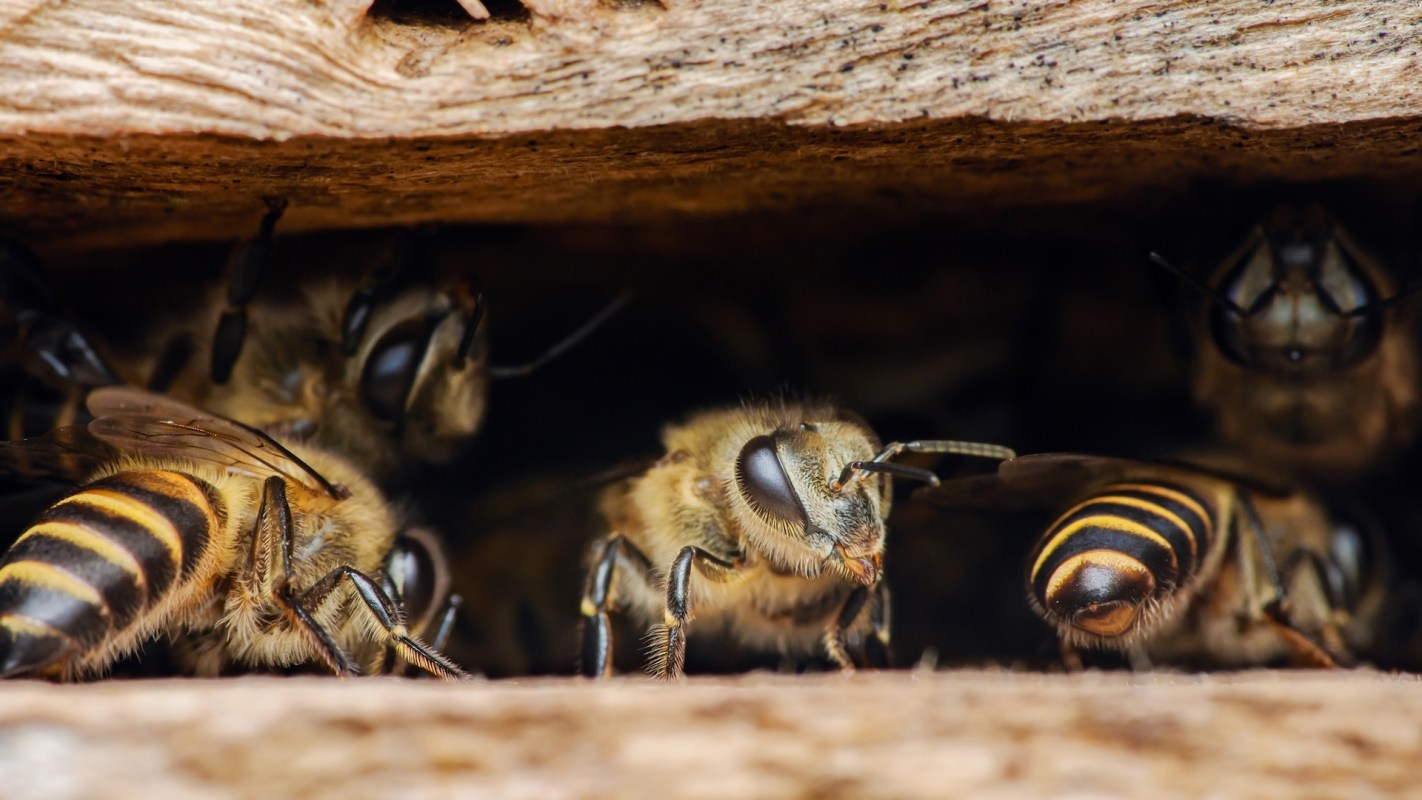
A new milestone for Florida Power & Light's pilot work is that more than 40 honeybee projects are in place at the company's solar energy centers across the state, WUSF reported.
Those hives are being added through partnerships with beekeepers in 18 counties, using the green space available at the solar locations.
One of those beekeepers, Mark McCoy of McCoy's Sunny South Apiaries in Loxahatchee, said, "It's been great keeping bees with FPL on their solar sites because it allows us to have access to remote areas and different locations that we never had access to before, finding more natural resources for the bees."
FPL says the impact of those pollinators could extend beyond the solar sites, helping local ecosystems while also potentially increasing nearby farm yields and supporting food production.
The company is also trying other agricultural uses on solar properties, including cattle at a DeSoto County location and sheep at sites in Northwest Florida.
TCD Picks » Quince Spotlight
💡These best-sellers from Quince deliver affordable, sustainable luxury for all




More background
This type of shared land use is often referred to as agrivoltaics, which pairs solar infrastructure with agriculture rather than treating the two as competing demands for land.
Using the same acreage for renewable energy and agricultural activity can reduce pressure to set aside separate land for separate purposes.
Sheep and cattle can also take on some of the vegetation control that would otherwise be handled through mowing.
Better pollination can support farm output, while more efficient land use can help communities expand renewable power without losing agricultural opportunities.
At its Miami-Dade Solar Energy Center, FPL is working with UF/IFAS to evaluate how efficiently crops can be grown on solar sites, which could help identify the kinds of farming that work best alongside panels in Florida conditions.
What's being done?
The company's pilots reflect a broader shift in how utilities are thinking about clean energy land.
Instead of reserving solar properties only for electricity generation, FPL is testing whether those same areas can also host beekeeping, livestock grazing, and crop research.
If the model proves successful, it could open new opportunities for beekeepers and ranchers while helping solar developers get more value from land they already manage.

Get TCD's free newsletters for easy tips, smart advice, and a chance to earn $5,000 toward home upgrades. To see more stories like this one, change your Google preferences here.






