


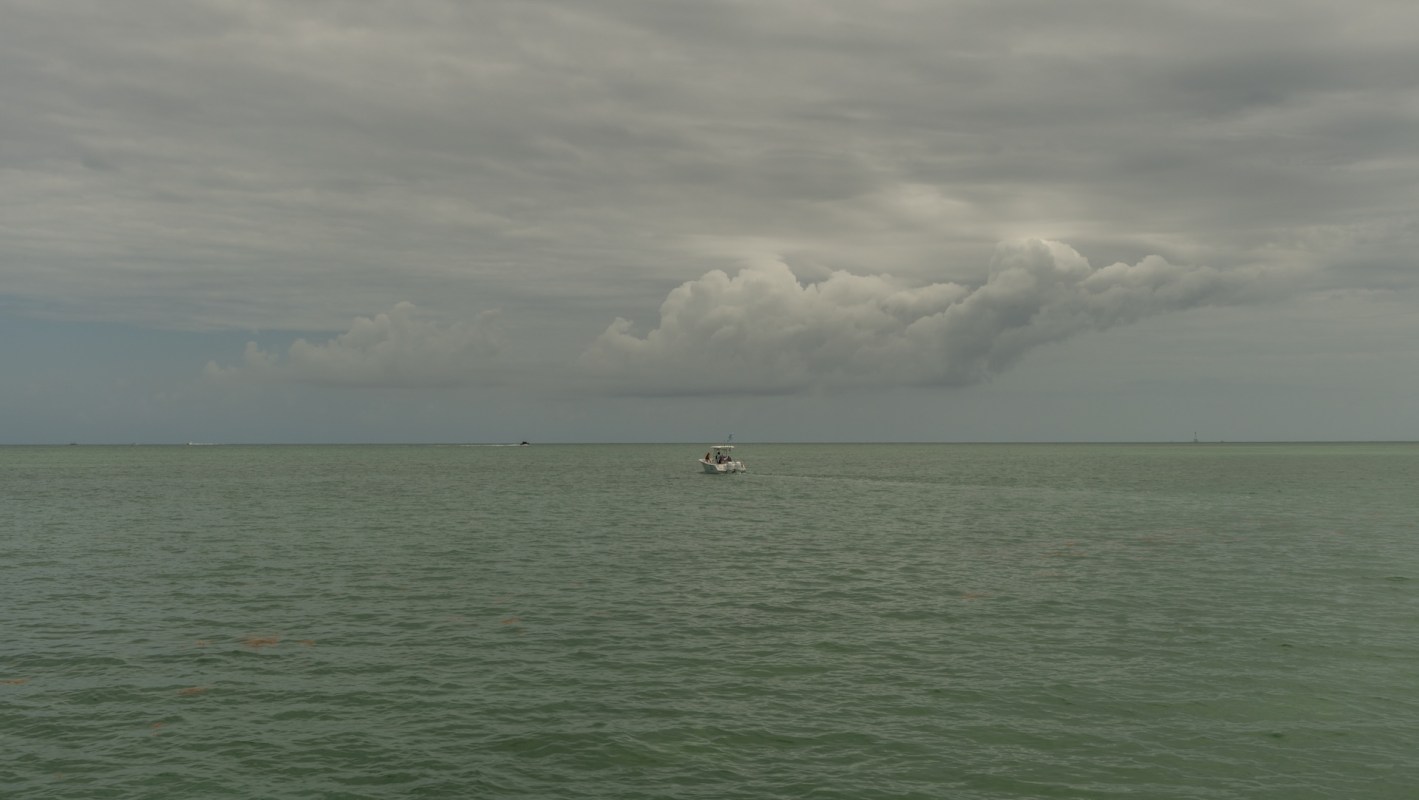
Florida and the rest of the United States are moving deeper into the heart of hurricane season, but the Atlantic Ocean has remained unusually quiet.
Across the basin, the environment has been suppressing development. Dry air, atmospheric stability, and strong wind shear are all making it hard for tropical systems to organize.
Here's what to know
Even with the season moving closer to its usual peak, forecasters say the Atlantic still looks so unfavorable for development that it has taken on the label of "a tropical graveyard."
Jacksonville Today reported that accumulated cyclone energy, or ACE — the metric used to track how strong tropical systems are and how long they last — was about one-fifth of normal as of Aug. 17.
That lack of energy matched a lack of sustained activity. The basin has produced only three named tropical storms, none of which has become a hurricane.
Tropical Storm Bertha was the longest-lasting named system of the season, but it stayed around for only three days. It formed south of the Florida Panhandle and later came ashore on the Louisiana Gulf Coast.
TCD Picks » Quince Spotlight
💡These best-sellers from Quince deliver affordable, sustainable luxury for all




Dry air and strong wind shear remain the two main barriers to further development, forecasters say. Both can interfere with storms before they intensify, and forecast models show little sign of that pattern changing.
More background
A quiet Atlantic does not mean the danger has passed for Florida or other coastal communities.
The Atlantic hurricane season continues until Nov. 30, and conditions can change. The next name on the 2026 storm list is Dolly, which the Sun Sentinel said on Tuesday could form as soon as this week.
One reason for the slowdown may be El Niño. The climate pattern is associated with warmer than average ocean temperatures in the central and eastern Pacific, but it also tends to increase vertical wind shear over the tropical Atlantic and Caribbean while contributing to cooler waters there.
That combination can make it much harder for tropical systems to survive and strengthen.
In 2026, the eastern and central Pacific have generated nine tropical storms, with three becoming hurricanes and one reaching major status at 115 mph.
Jacksonville Today also reported that Hurricane Lala nearly made landfall in Hawai'i before passing south of the Big Island.
Even a slow season can still bring dangerous late-season storms, and it only takes one landfall to trigger major flooding, prolonged power outages, and costly damage.

Get TCD's free newsletters for easy tips, smart advice, and a chance to earn $5,000 toward home upgrades. To see more stories like this one, change your Google preferences here.






