


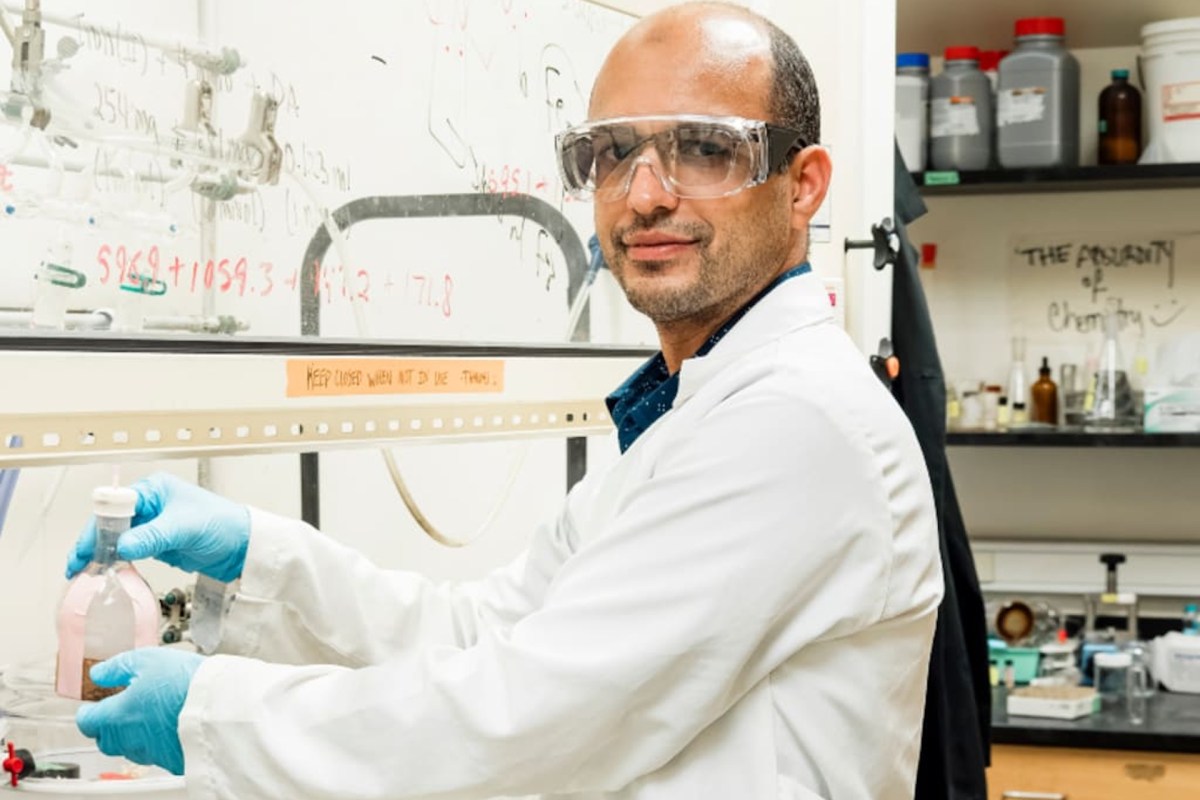
A Florida chemist and an international research team may have found a promising new use for one of the world's largest agricultural waste products.
Instead of letting an enormous stream of inedible rice husks go to waste, the researchers went to the lab and turned them into a reusable filter capable of removing synthetic industrial dyes from water.
What's happening?
The world's appetite for rice also produces an enormous waste stream, as the Florida International University-led team shared in a press release. About 300 billion pounds of husks, the grain's inedible outer covering, are thrown away every year.
In the study, FIU chemistry researcher Islam Ibrahim Hussein and an international group of scientists turned those discarded husks into a sponge-like filter meant to capture synthetic dyes used by industry. The results were published in Sustainable Chemistry and Pharmacy.
Tests found that the material could remove brilliant green and malachite green dyes. To make it, the team first converted the husks into biochar by heating them in a low-oxygen environment, then combined that material with magnesium and aluminum.
Their biochar remained effective through at least five uses.
TCD Picks » Quince Spotlight
💡These best-sellers from Quince deliver affordable, sustainable luxury for all




Why does it matter?
Because many major textile-producing countries in Asia face serious dye contamination, this kind of pollution is both an environmental and public health concern, as detailed in the release. The textile industry is responsible for roughly 17% to 20% of industrial water pollution.
When dye-contaminated water enters rivers and other waterways, it can make treatment more difficult, damage aquatic ecosystems, and increase risks for communities that rely on those sources.
This research also addresses two problems at once: agricultural waste and industrial pollution. Rather than discarding rice husks, scientists are finding ways to turn them into something useful, potentially reducing disposal burdens while creating value from a material often treated as trash.
"We need green methods or friendly methods that will not create another problem in the future," Hussein explained in the release.
An abundant byproduct turned into an effective reusable filter could also help reduce reliance on more expensive treatment materials.
"The biochar has a high surface area, so it can trap and capture a lot of contaminants," Hussein added.
What's being done?
Scientists demonstrated that a common agricultural byproduct can be repurposed into a practical cleanup tool. The filter worked on industrial dyes and could be reused multiple times, an early step toward real-world water treatment applications.
This approach also fits into circular manufacturing, in which waste from one process becomes a resource for another. In this case, rice production waste could help support cleaner textile operations instead of contributing to landfill buildup or burn-off pollution.
Turning a global waste stream into a reusable water-cleaning tool could mean less waste, cleaner water, and a potentially more affordable way to address industrial pollution.
The next step for Hussein and the team is expanding the research and proving it outside the lab. The hope is to show it can also separate other dyes, heavy metals, and contaminants that appear in water samples out in the real world.
"My dream is to scale up this research and make it more effective to help the community or other people who need water," Hussein concluded in the release.

Get TCD's free newsletters for easy tips, smart advice, and a chance to earn $5,000 toward home upgrades. To see more stories like this one, change your Google preferences here.






