


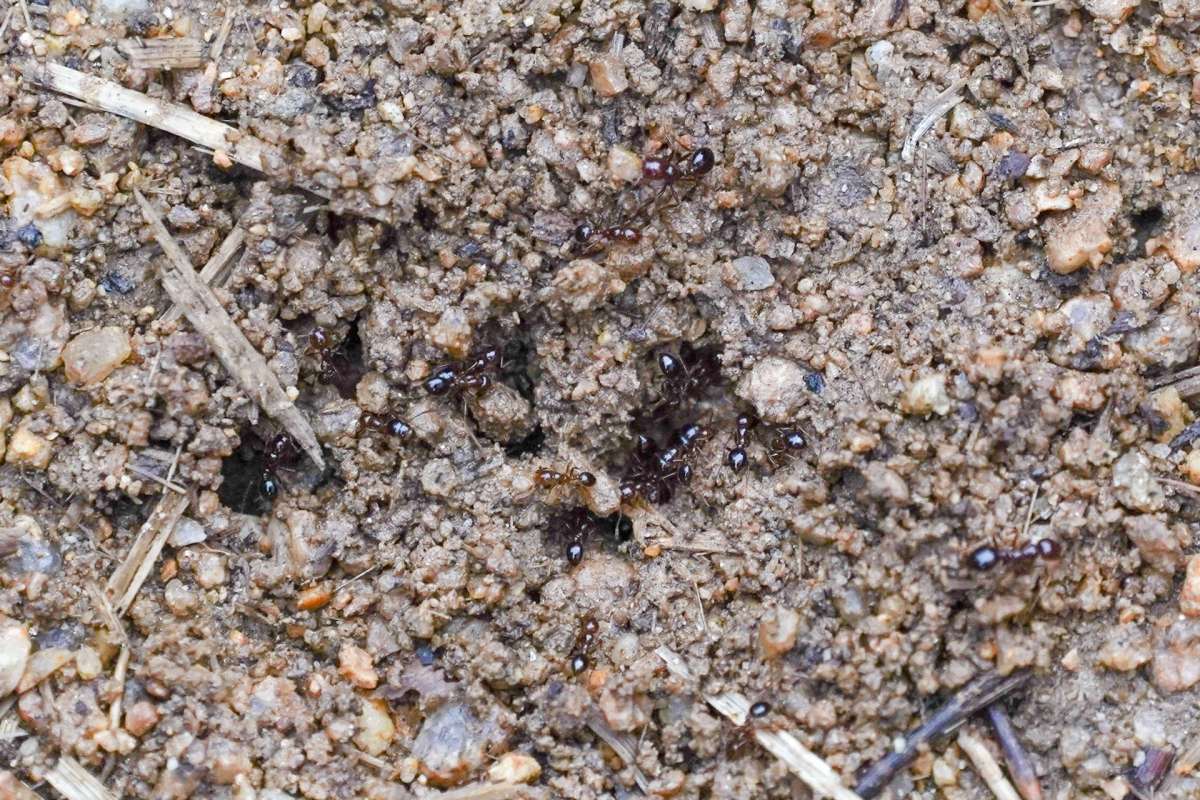
A prominent Australian World Heritage rainforest has become the site of a fire ant discovery, renewing concerns about the harm invasive species can inflict on sensitive ecosystems and the communities connected to them.
Researchers say the significance of the find goes far beyond a single nest, pointing instead to a broader danger for Australia's environment, public health, and economy.
What happened?
According to The Independent, officials detected a fire ant nest in a clearing at Lamington National Park on Queensland's Gold Coast and eradicated it, in an area recognized for ancient rainforest biodiversity and deep ecological history.
Experts say the find suggests that even places once viewed as less susceptible to infestation may still be reachable by one of the world's most destructive invasive species.
Australia's Invasive Species Council said the rainforest discovery is especially troubling because fire ants are not normally found in that habitat.
Reece Pianta, director of the Invasive Species Council, said, "Fire ants are one of the worst invasive threats to Australia's wildlife and a failure to eradicate them in south-east Queensland will see them spread across most of the country."
TCD Picks » Quince Spotlight
💡These best-sellers from Quince deliver affordable, sustainable luxury for all




The ants are native to South America and were first recorded in Australia in 2001. They are believed to have arrived in freight from the United States.
Researchers say the species is particularly difficult to contain because it can withstand harsh conditions, move in freight and soil, float through flood events, and spread through queen ant flights of around 5 kilometers (3.1 miles) per year — or up to 30 kilometers (18.6 miles) when conditions are favorable.
Why does it matter?
If fire ants spread widely across Australia, researchers say the annual economic toll could reach $2 billion, agricultural output could fall by up to 40%, and additional medical appointments could exceed 100,000 each year, according to the Independent.
Invasive species can damage crops, strain health systems, and disrupt local economies while pushing native wildlife and rare habitats closer to collapse.
The rainforest is tied to an ecological history dating back to Gondwanaland, and it supports biodiversity that cannot easily be restored once disturbed.
Their presence there indicates that no region can safely assume it is out of reach.
What's being done?
The nest was eliminated before it had a chance to spread, showing that rapid-response systems can work when they are active and properly supported.
Pianta said, "The programme's rapid response meant the nest was found and destroyed before it could spread...The park is protected because the system responded fast."
Still, experts say early success will mean little without sustained support.
A 2021 government study, as cited by The Independent, suggested Australia would need to spend up to $300 million annually to curb the invasion. Without that investment, the country could face at least $2 billion in yearly fire ant-related costs on an ongoing basis.
"To find a nest inside one of the world's most ancient and beautiful rainforests is alarming. These places should be beyond the reach of invasive species," Pianta said. He also warned, "Bureaucratic funding delays to the next phase of fire ant eradication cannot be allowed."

Get TCD's free newsletters for easy tips, smart advice, and a chance to earn $5,000 toward home upgrades. To see more stories like this one, change your Google preferences here.






