


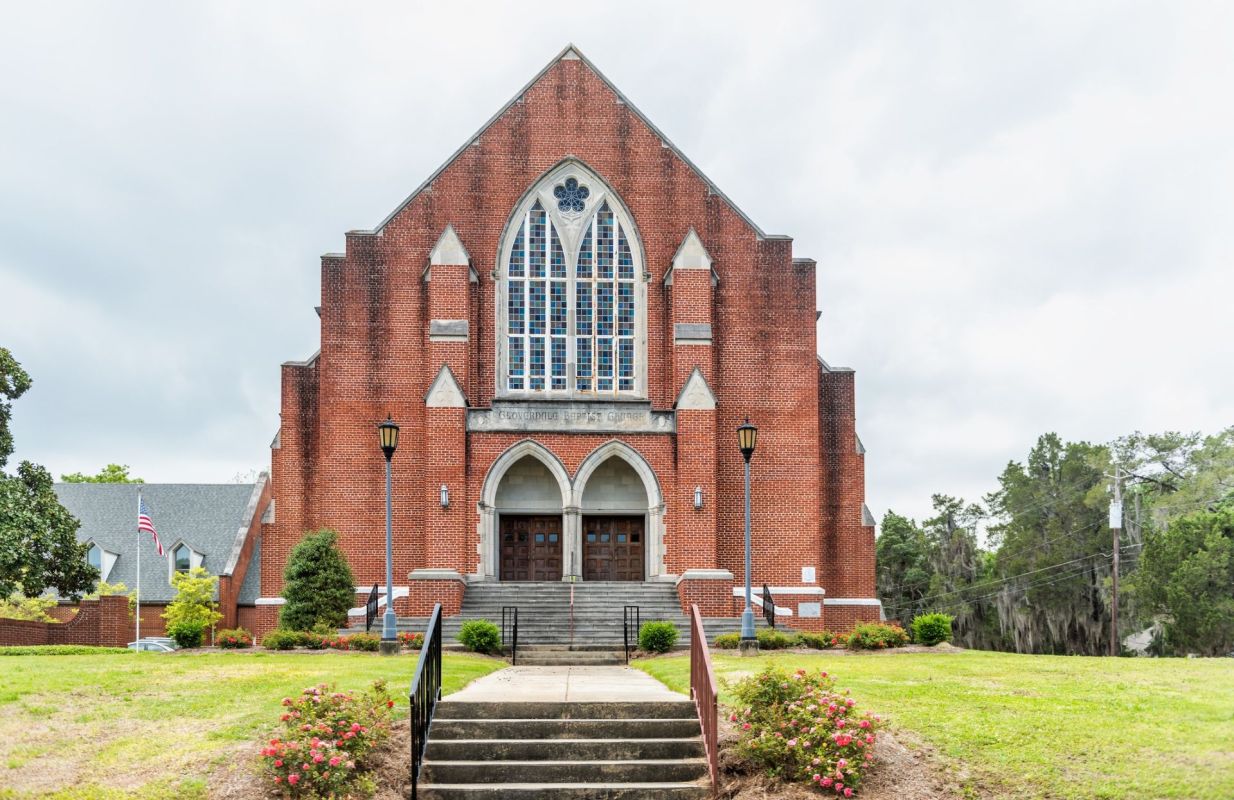
Residents who came to the Fairfield Civic Center for a discussion of the proposed Patmos data center found the building closed, so the gathering shifted to another location. The conversation continued at Antioch Missionary Baptist Church, where a large turnout showed that community members want more clarity about the project and its possible effects on the Alabama town.
What's happening?
According to WVTM 13, the Fairfield Environmental Justice Alliance held the church forum because residents said they needed a better understanding of the proposed data center. People asked questions about what a data center is and raised concerns about how it might affect nearby homes and neighborhoods.
Gilda Walker, who founded the alliance, said the meeting fit the organization's focus on environmental problems in Fairfield, including pollution and safety concerns.
"People perish for lack of knowledge," Walker told WVTM.
Jacqueline Cox, who lives near the proposed site, said many people attended without a clear sense of what the development could mean for the area. Residents also expressed frustration with what they view as insufficient communication from city officials.
A petition opposing the data center was being circulated by residents. The city scheduled a town hall for 6 p.m. Wednesday at the civic center, where residents are expected to hear directly from Patmos CEO John Johnson.
TCD Picks » Quince Spotlight
💡These best-sellers from Quince deliver affordable, sustainable luxury for all




Why does it matter?
Data centers have become a core part of modern infrastructure, powering cloud computing, streaming, digital storage, and the artificial intelligence tools that more businesses and consumers rely on every day.
Supporters often point to the potential for jobs, tax revenue, and investment. Nearby communities, however, worry about land use, property values, traffic, noise, and resource strain.
AI is especially connected to the energy grid because the data centers behind AI models require large amounts of electricity and, in many cases, water for cooling. At the same time, AI can help utilities forecast demand, identify equipment issues, and manage clean energy from sources such as solar and wind.
While AI infrastructure can improve efficiency, it can also drive up energy and water consumption, raise security and misuse concerns, and contribute to higher utility costs.
For Fairfield residents, those debates are no longer theoretical. Walker questioned whether the project's economic benefits would outweigh possible declines in home values for people living near the site.
What's being done?
By moving the meeting to a church and having the discussion there, organizers created a space for neighbors to ask questions, compare concerns, and hear information they felt had not been clearly shared elsewhere.
The petition effort is another sign that community members want to influence the process before plans move ahead.
In Fairfield, the town hall could become an important test of whether officials and developers are prepared to provide those answers.
"We need to have the meeting so we can be knowledgeable about the data center," Cox said, according to WVTM 13.
Walker described the larger goal this way, saying, "We had to show the other side of it because the plate should be balanced."

Get TCD's free newsletters for easy tips, smart advice, and a chance to earn $5,000 toward home upgrades. To see more stories like this one, change your Google preferences here.






