


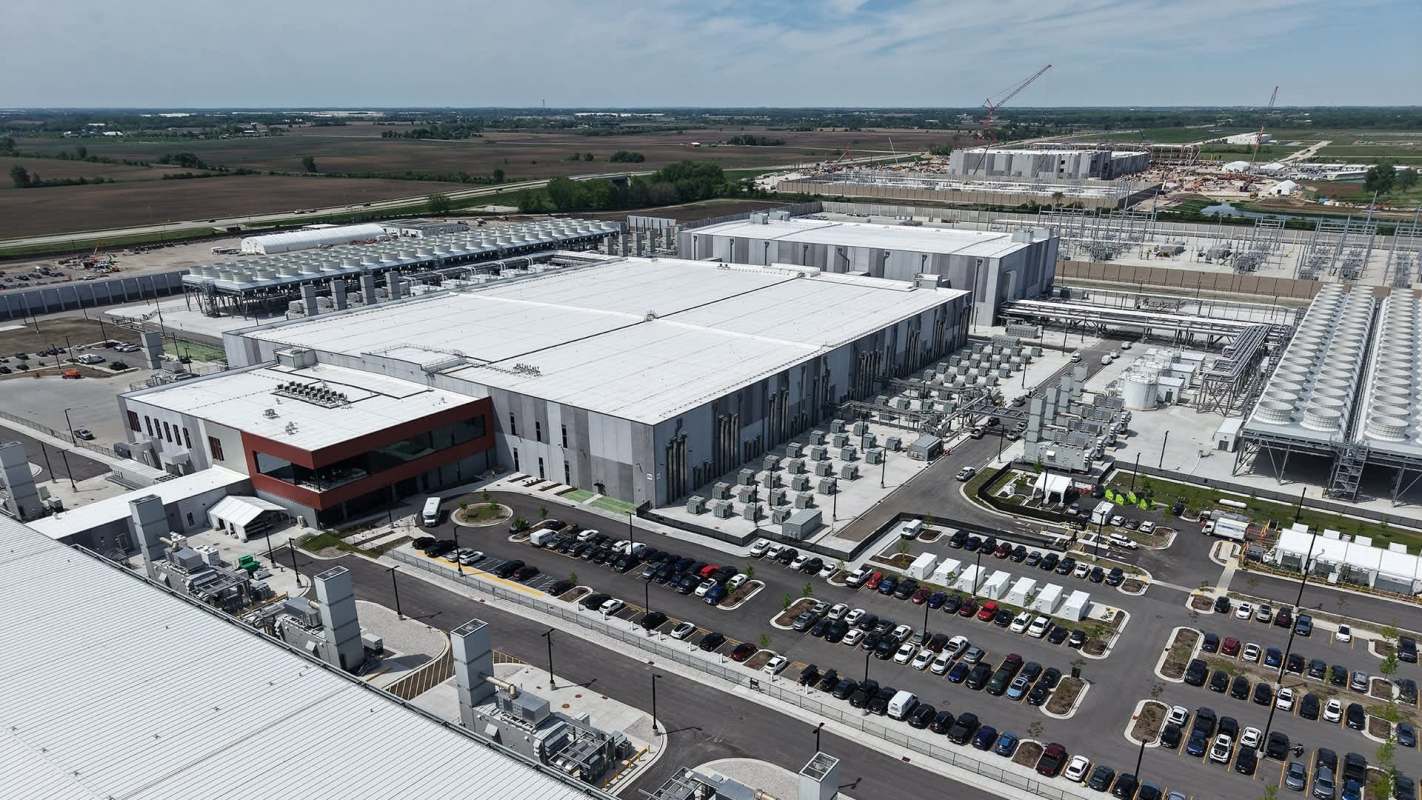
A new lawsuit in Wisconsin is drawing attention to a growing tension in communities across the country: the promise of high-tech development versus the day-to-day reality for the people living nearby.
Near Microsoft's new Mount Pleasant data center, three residents say the noise has become so relentless that they have decided to sue.
What happened?
Wisconsin Public Radio reported that three Sturtevant residents who live close to Microsoft's newly opened Fairwater data center filed a class action case in federal court in eastern Wisconsin. They say noise from the site's diesel generators and cooling systems is to blame.
Brian Schue, a nearby resident, said, "Well, how big it was kind of shocked everybody, and then the noise started."
In the complaint, the residents call the sound "not only excessive, but consistent and pervasive."
The plaintiffs say the facility produces both loud noise and low-frequency infrasound from cooling and ventilation equipment, including HVAC systems, chillers, cooling towers, air handlers, and condenser fans. They argue that this has damaged their properties and supports claims of private nuisance and negligence.
TCD Picks » Quince Spotlight
💡These best-sellers from Quince deliver affordable, sustainable luxury for all




Microsoft said it is aware of the lawsuit. In a statement, a company spokesperson said, "Microsoft is committed to being a good neighbor in the communities where we build, own, and operate our datacenters."
The dispute comes shortly after Microsoft announced that Fairwater is operational, which Wisconsin Public Radio described as the first building in a planned series for the company's Mount Pleasant campus.
Why does it matter?
Residents have also complained about construction dust, bright nighttime lighting, traffic, and the changing rural landscape.
Data centers are expanding rapidly as demand for cloud services and AI tools grows. While these facilities can bring jobs and investment, they can also create new burdens for surrounding communities if concerns such as noise, water use, traffic, and land use are not addressed.
AI relies on enormous computing power, which ties it directly to the electric grid because data centers consume vast amounts of electricity and water.
At the same time, AI can help utilities forecast demand, integrate solar and wind power, and improve battery and grid efficiency. The challenge is that the same technology that promises cleaner and smarter systems can also drive up energy demand, strain local infrastructure, raise costs, and introduce security or misuse risks if growth outpaces safeguards.
What's being done?
Microsoft has publicly acknowledged some of the complaints.
In an April 15 update on its website, the company said residents north of the facility "have noticed a tonal humming sound," adding, "Although the facility noise levels meet the requirements set by local ordinance, we take this feedback seriously and understand the impact this has had on our neighbors."
A June 18 update said its engineers and consultants investigated the noise, ran tests, and put mitigation measures in place.
Sean Ryan, spokesperson for the village of Mount Pleasant, later said, "The Village has received no formal complaints relating to Microsoft's properties since the company completed the adjustments that were announced in mid-April to resolve a humming sound from the data center."
Microsoft also said it is working to reduce construction-related impacts. The company's project updates say street sweepers operate for about 10 hours a day, and tire wash systems are being used at site exits to reduce dust on surrounding roads.

Get TCD's free newsletters for easy tips, smart advice, and a chance to earn $5,000 toward home upgrades. To see more stories like this one, change your Google preferences here.






