


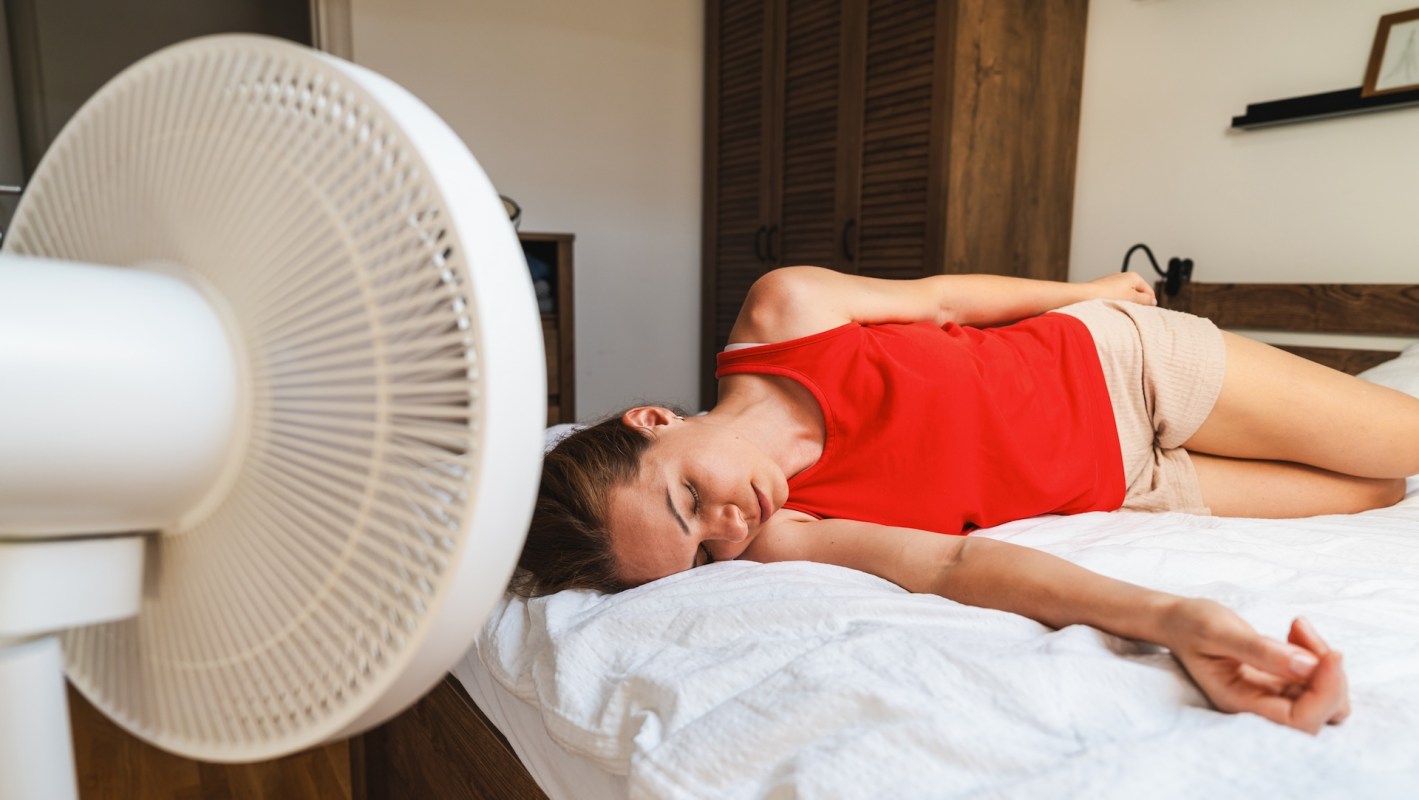
Extreme heat is affecting far more than summer comfort for many people in the U.S. — it is increasingly shaping sleep, travel decisions, electricity bills, and how often families can be outside, the Associated Press reported.
Here's what to know
A new AP-NORC poll shows that more American adults say extreme heat is influencing daily life than did so in 2024.
The survey of 1,165 adults was conducted July 23-27, 2026, and has a sampling error margin of 3.7 percentage points.
Electricity bills saw the sharpest jump — roughly 8 in 10 Americans said heat had at least some effect on what they paid for power, versus 69% in July 2024.
That increase was especially notable in the Midwest, where 44% reported a major impact on electricity costs, compared with 29% in July 2024.
Heat also affected other routines: about 4 in 10 adults said it altered travel or vacation plans, up from about one-quarter in 2024, and about 7 in 10 said it interfered with family outdoor activities.
TCD Picks » Quince Spotlight
💡These best-sellers from Quince deliver affordable, sustainable luxury for all




Jennifer Francis, whom the AP identified as a climate scientist at the Woodwell Climate Research Center and not involved in the polling, discussed the data.
"Brutal, life-threatening heat waves have become more frequent, more intense, and more persistent in many parts of the globe, including our Western and Midwestern states," she acknowledged.
More background
In Tucson, Arizona, 74-year-old retired nurse Elisa Bracamonte said hotter conditions are cutting into visits with relatives, road trips and even her everyday walks.
She told the AP she gets up earlier to avoid dangerous temperatures.
As extreme weather worsens, it can threaten lives and livelihoods through more heat-related illness and death, added strain on power grids, worsening wildfire conditions, crop damage, and higher household costs.
At the same time, the survey indicates that living through extreme heat does not necessarily translate into broader consensus on climate change.
About 66% of Americans said climate change is happening, down slightly from 73% in September 2025.
Meanwhile, 17% said they were unsure, and 15% said it is not happening.
Some people in the poll connected the heat directly to rising bills and changing local conditions.
"I feel like my utility costs probably doubled in the last three or four years," said Daemien Williams, a 50-year-old bridge inspector in Cahokia Heights, Illinois.
What can be done?
Communities can reduce the danger by expanding public cooling options, improving emergency plans, and building energy systems that can better withstand heavy demand during prolonged heat and potential outages.
Limiting worse extremes in the future will also require cutting the pollution that is warming the planet.
For many Americans, especially in places experiencing more frequent heat waves, adjusting daily routines is becoming a regular part of life.
John Hazel, a 33-year-old crime scene investigator in Waco, Texas, described that process.
"As soon as you walk outside, you're already sweating even if you're not doing much of anything. I've definitely noticed you're having to take breaks from being outside, you have to bathe, shower more often," Hazel observed.

Get TCD's free newsletters for easy tips, smart advice, and a chance to earn $5,000 toward home upgrades. To see more stories like this one, change your Google preferences here.






