


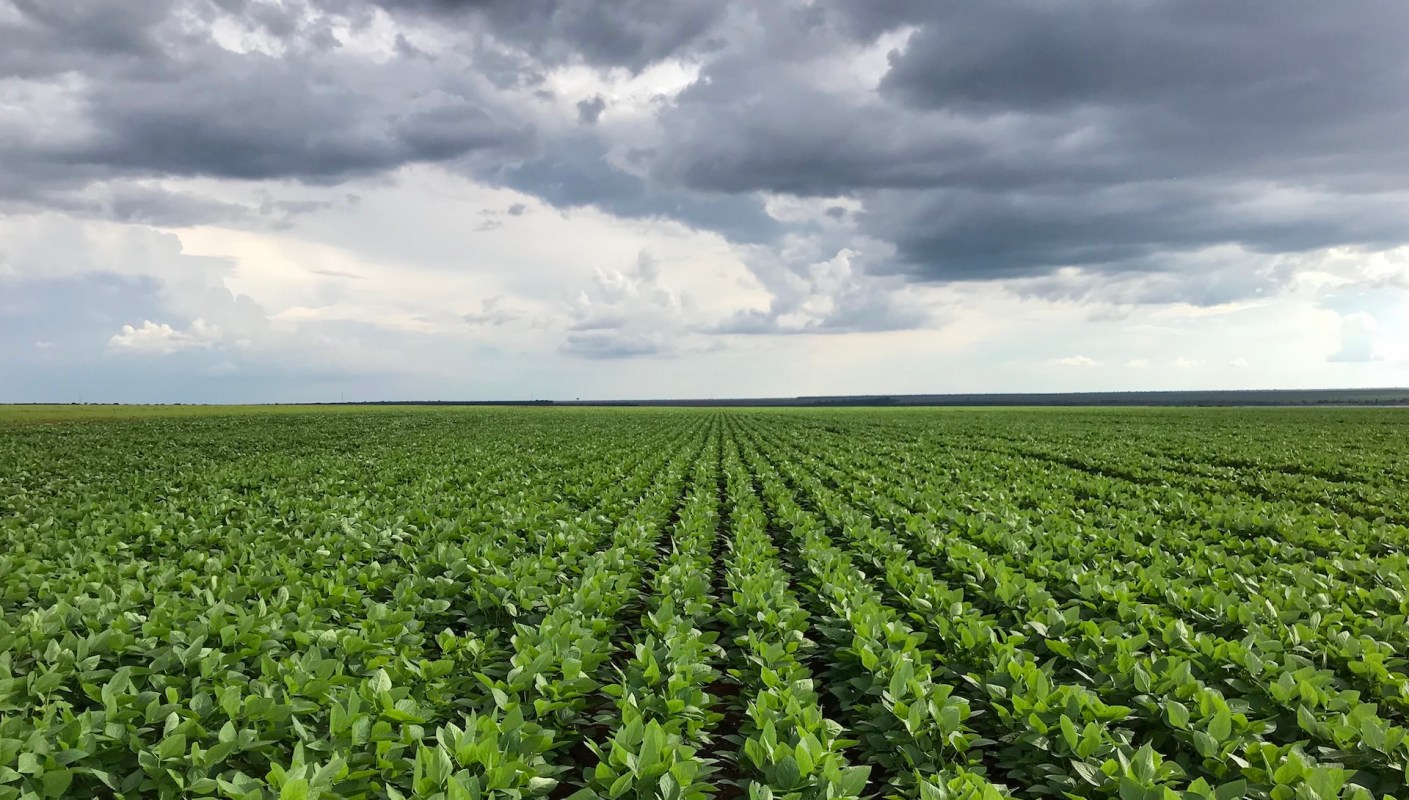
A new ethnographic study asserts that the expansion of soy farming in one region of the Brazilian Amazon has literally suffocated local people and led to forced displacement.
What's happening?
The research, published in the journal Environment and Planning E: Nature and Space, focused on the Lower Tapajós in Pará. It relied on long-term immersion in everyday life and in-depth interviews with locals.
In a commentary in The Conversation, Fábio Zuker, a researcher with the Pensi Institute in São Paulo, explained that the intensive use of herbicides on soy plantations — particularly glyphosate — has made it difficult for people to breathe.
According to testimonies he collected during his 18 months in the field, people reported being unable to breathe during herbicide spraying, which often forced them to stay inside.
In some cases, the feeling of asphyxiation was so intense that it triggered anxiety attacks, he added.
Zuker argued that the health impacts faced by local communities led to a slow and prolonged process of expulsion from the land.
"It's suffocating!" said one rural worker who has faced several forced displacements due to the introduction of soy in the region in the early 2000s.
Why is this study important?
In addition to the loss of land and health impacts faced by local people, soy plantations are causing environmental destruction in the Brazilian Amazon.
For one, soy farming is contributing to deforestation due to forest clearing for new fields and the displacement of small-scale farmers who move into other forest areas for subsistence agriculture, World Rainforests explained.
Soybean farming in the Brazilian Amazon and Cerrado, a tropical savanna, also has major climate implications, as these areas are major carbon sinks.
TCD Picks » Quince Spotlight
💡These best-sellers from Quince deliver affordable, sustainable luxury for all




|
Do you worry about the quality of the air inside your home?
Click your choice to see results and speak your mind. |
 Yes — often 😬
 What's being done to protect people and the environment in the Amazon?
Although the Amazon and its people still face a slew of challenges, data has indicated that conservation efforts in the Brazilian Legal Amazon have reduced deforestation by up to 83%.
Meanwhile, implementing organic growing methods could help better protect local communities from the negative health impacts of herbicides.
At a smaller scale, controlling weeds without using chemicals in your garden can avoid associated risks.

Get TCD's free newsletters for easy tips to save more, waste less, and make smarter choices — and earn up to $5,000 toward clean upgrades in TCD's exclusive Rewards Club.
Cool Picks





