


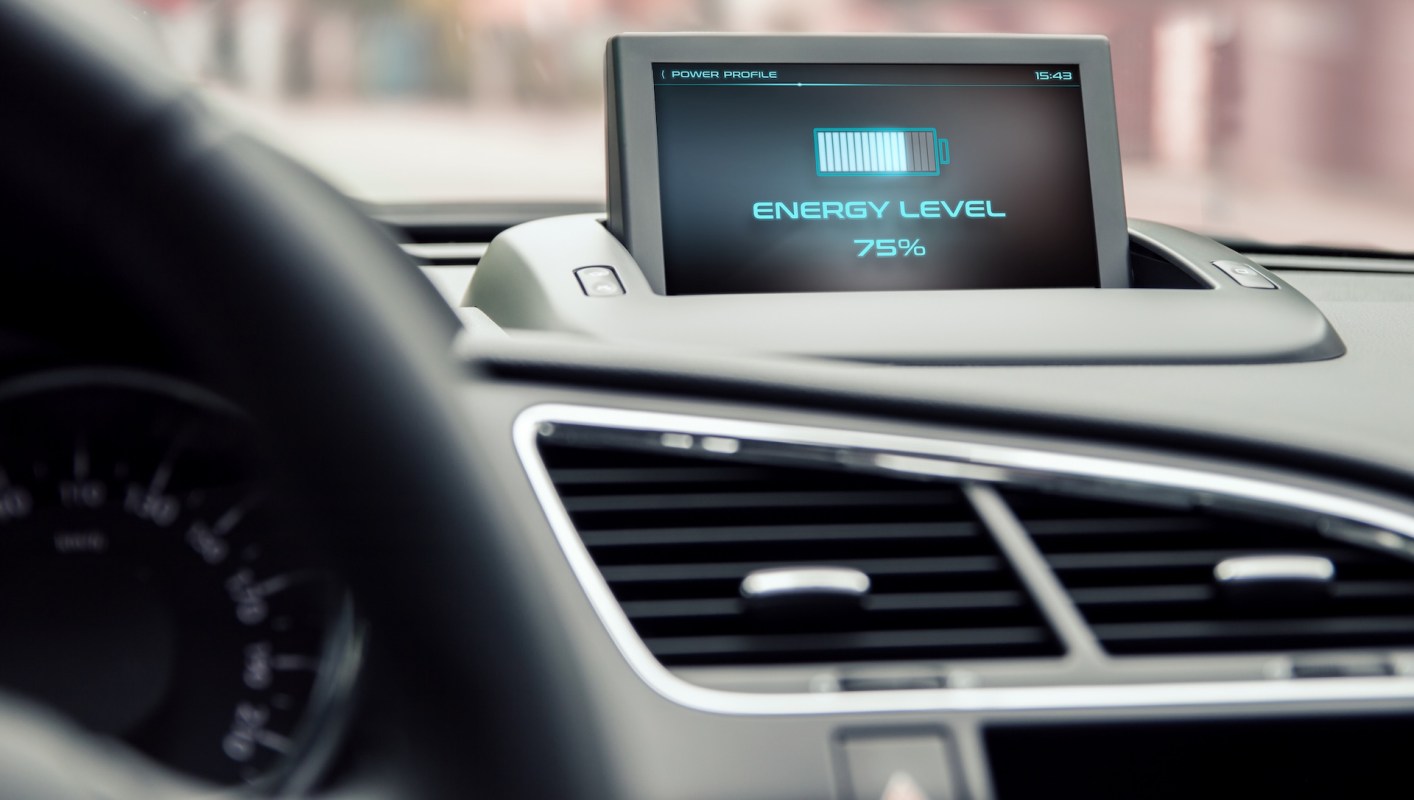
Like the battery indicator on a phone, most dashboards in electric vehicles teach drivers to watch a percentage tick down. But a lively online discussion on the r/electricvehicles subreddit suggests some owners would rather see a different number living there.
What looks like a small interface choice quickly turned into a broader debate about convenience, habit, and the gas-car conventions that still influence many modern EV displays.
What's happening?
The thread on Reddit focused on the basic question of why EVs usually show battery charge as a percentage instead of kWh remaining.
"For someone who tracks their efficiency in distance per kWh, it would be nice to have accessible," the original poster explained.
They also asked whether there was "a technical or practical reason" not to present that figure directly in the vehicle's interface.
Several commenters said the format is mostly a matter of familiarity.
TCD Picks » Quince Spotlight
💡These best-sellers from Quince deliver affordable, sustainable luxury for all




"Same reason you don't measure a gas tank in gallons remaining," one volunteered.
Another pointed to older fuel-gauge conventions: "People are used to seeing fuel gauges as a percentage so designers tried to carry that through for EVs to make them feel closer to ICE vehicles. It's all tech debt/momentum from float gauges in the 1920s."
Some users challenged that comparison, noting that certain newer gas-powered vehicles can display gallons or liters. Even so, most of the discussion favored the idea that percentage and estimated range are easier for the average driver to interpret quickly than a raw energy number.
Why does it matter?
For drivers who already think in miles per kWh, a kWh-remaining readout could offer a more direct way to judge how speed, weather, hills, or air conditioning are affecting efficiency. It could also make it easier to decide whether a trip feels safely within reach or a little too close for comfort.
EVs already tend to offer lower fueling costs than gas-powered vehicles, and better visibility into battery use could help owners stretch those lower-cost electric miles even further. Knowing how efficiently a car is using energy may encourage slower highway driving, smarter preconditioning, or more strategic charging at home.
At the same time, plenty of commenters argued for keeping things simple.
"Because percentage and estimates miles remaining are more useful and intuitive units for people," they offered.
A kWh figure may be more exact, but unless a driver also knows the car's efficiency at that moment, it still does not immediately answer the most critical question of how far a driver can go on their charge.
What can I do?
If your EV does not display kWh remaining, you can estimate it yourself by applying the battery percentage to the vehicle's usable battery capacity. For drivers who already track miles per kWh, that may provide a clearer view of remaining energy than the main gauge by itself.
Many EVs already display recent efficiency, trip consumption, and estimated range, which together may be more useful than any one number on its own. Some owners also access deeper battery data through third-party apps or OBD tools, though that depends on the vehicle.
One commenter landed on their own way to skirt the issue.
They joked: "My solution: I only buy vehicles with approximately 100kWh batteries. Solved!"

Get TCD's free newsletters for easy tips, smart advice, and a chance to earn $5,000 toward home upgrades. To see more stories like this one, change your Google preferences here.






